Racing Shoe Foams Return 90 to 94 Percent of Energy, Stanford Finds
Stanford tests found racing-shoe foams give back 90 to 94 percent of stored energy but differ sharply when twisted, which may explain why some shoes feel unstable.
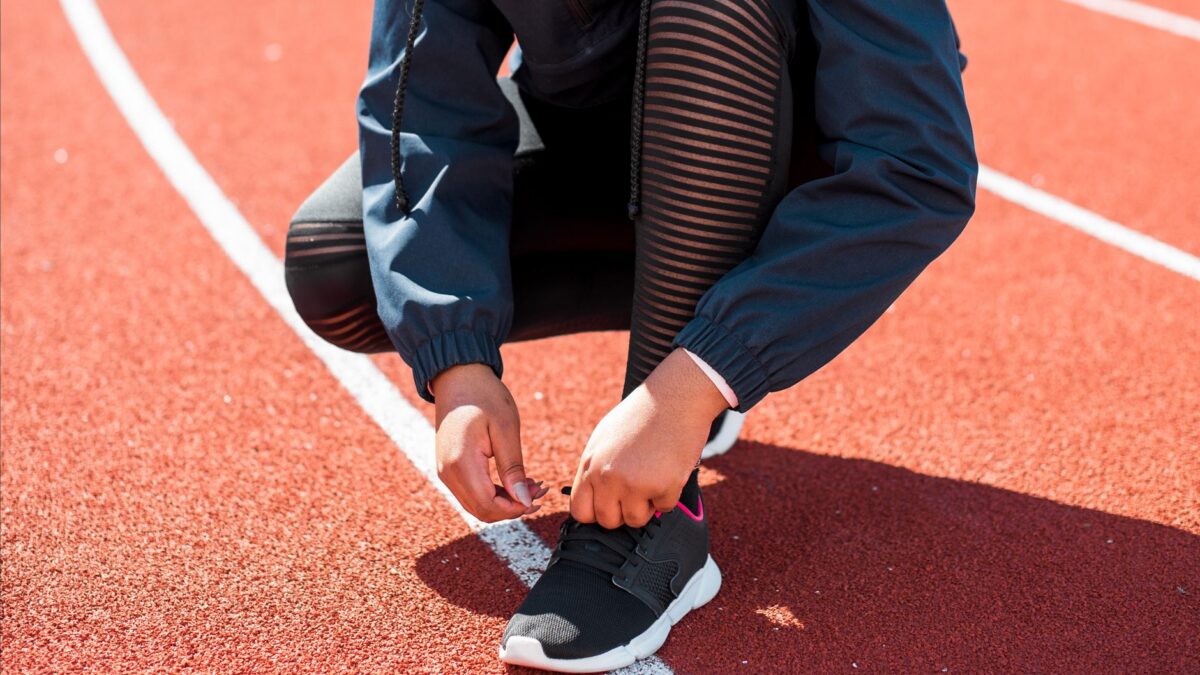
Two foams used in high-end racing shoes give back around 90 to 94 percent of the energy that goes into stretching or squeezing them, Stanford University researchers report in the journal Engineering with Computers. The same foams behaved very differently when twisted or pushed sideways, with one nearly twice as stiff as the other under twisting.
That second result may help explain why a tall racing shoe can feel fast on a straight road and wobbly in a sharp turn, according to Stanford.
How the Stanford team tested the foam
Graduate student Jeremy McCulloch and colleagues cut foam out of shoes from the Asics Metaspeed range, which uses two types of foam. They then loaded the samples in several ways meant to copy the forces a sole goes through during a stride: pulling, compressing and twisting.
This was a laboratory materials study. No runners were timed, and the researchers measured how the foam itself responds to force, not how fast anyone ran in the shoes.
Under stretching and compression, both foams acted much like springs. Most of the energy put into them came back out instead of being lost as heat, which is what “energy return” means in shoe marketing. The differences showed up under twisting and sideways loads. One foam was considerably stiffer when stretched and nearly twice as stiff when twisted.
The team also began building mathematical models that describe how each foam behaves. In the future, models like these could let designers test a shoe in a computer simulation before it is manufactured.
Why foam has been hard to study
Modern racing shoes usually pair a very light build with a stiff carbon-fiber plate and a springy foam. Earlier research found that some of these designs cut the energy a runner needs by as much as about four percent. Much of the attention has gone to the carbon plates.
Shoe companies keep many details of their materials private, so independent scientists have had trouble working out which properties actually produce the benefit. Cutting the foam out and testing it directly is one way around that.
What the study does not show
Results from foam samples on a lab rig do not translate directly into race times. The whole shoe, the runner’s body and the ground all affect how a shoe performs, and the study did not measure any of those together.
The work covered foams from a single shoe line. It does not rank brands or say which shoe is best.
What this means for runners
The study suggests that energy return, the figure often quoted for racing shoes, leaves out a lot. A foam can bounce back efficiently and still feel awkward when the foot moves sideways, so a shoe built for straight, smooth roads may not suit rocky trails. Comfort, terrain and the way a person moves still matter alongside speed claims, according to the Stanford report.
The researchers say a more detailed picture of each foam could eventually help explain why the same expensive shoe feels fast to one runner and unstable to another, and guide designs matched to different running styles.
Source: Knowridge Science Report