T. rex Hatchlings Were Kitten-Sized, Fossil Study Finds
T. rex hatchlings were about the size of kittens, a synchrotron study of tiny fossils finds. See how researchers dated them and what it says about parenting.
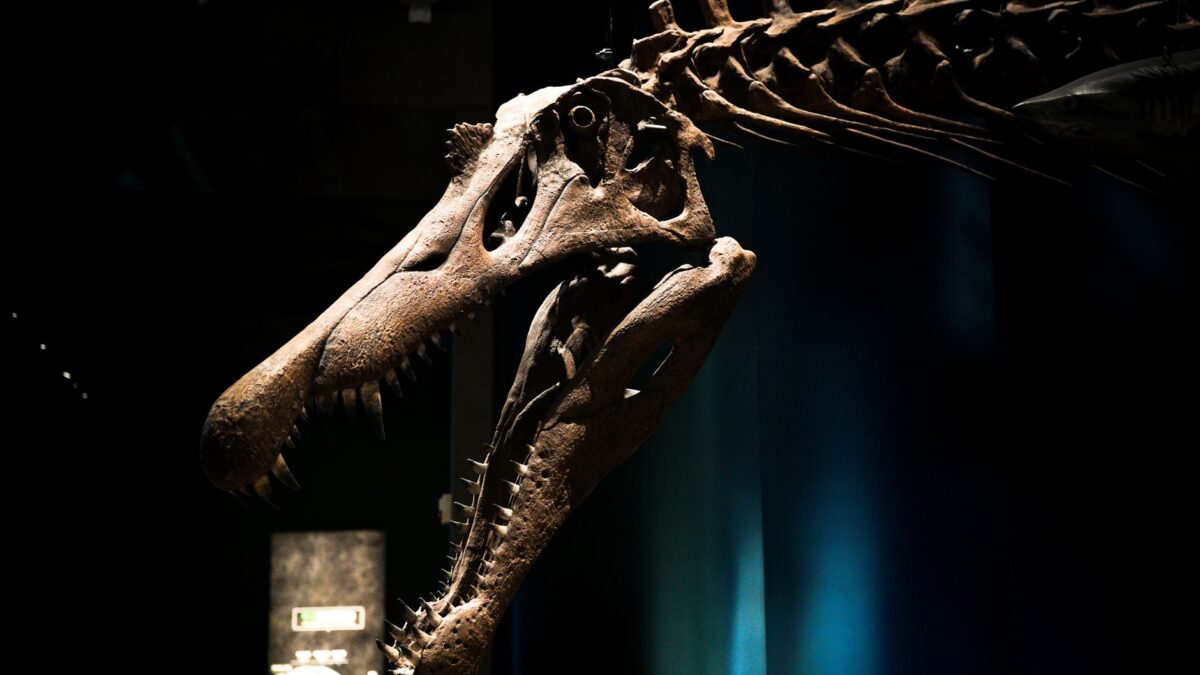
Baby Tyrannosaurus rex were about the size of kittens when they hatched, according to researchers from the University of Saskatchewan, who described the work on Nov. 17, 2026. The adults they grew into could reach 40 feet (12 meters) from nose to tail and weigh up to 15,000 pounds (7,000 kg).
The team also reports that a mother T. rex would lay 30 to 100 eggs at a time. The hatchlings were largely left to fend for themselves, so most probably became prey rather than predators, EarthSky reported.
How the team looked inside tiny bones
Nick Longrich of the University of Bath found the small fossils in museum collections. He and his colleagues then turned to the Canadian Light Source synchrotron at the University of Saskatchewan. A synchrotron produces several kinds of light, including X-rays, and can be used to study specimens down to the molecular level.
That gave the researchers a view inside the fossilized bones. They could see blood vessels, growth patterns and changes in bone density. From that data they estimated the animals’ size. The same details showed that the fossils came from hatched babies, not embryos still inside eggs.
What the bones say about a baby T. rex’s life
Animals that produce many young instead of a few follow a strategy called r-selection. These species invest little in parenting. The young fend for themselves, and the sheer numbers mean at least some survive. The ocean sunfish, which can produce 300 million babies at a time, is one example EarthSky gives.
Longrich thinks T. rex did some parenting, but not much: more than crocodiles and turtles, less than birds. He described the parents as “more of a free-range parent” than a hovering one. On why the young are so rare in the fossil record, he said there would have been “tons of these little dinosaurs running around” and that they are never found because they all got eaten.
How sure is this?
The study is peer-reviewed. It appeared in the journal Biology, with the title “Hatchlings of Tyrannosaurus rex and the Evolution of Dinosaur Reproductive Strategies.” EarthSky gives July 7, 2026, as the publication date, and the University of Saskatchewan discussed the work on Nov. 17, 2026.
The coverage does not say how many fossils were scanned. The clutch size of 30 to 100 eggs and the parenting behavior are inferences from the bones and from comparison with other animals, and Longrich’s description of T. rex as a free-range parent is his own characterization, not a measurement.
Source: EarthSky
Site editor: Nikita Sheikin