New Zealand Solar Eclipse: Queenstown, Dunedin and Auckland Times
Queenstown and Dunedin get totality on July 22, 2028, Auckland a partial eclipse. Local times, durations, cloud data from Australia and safety.
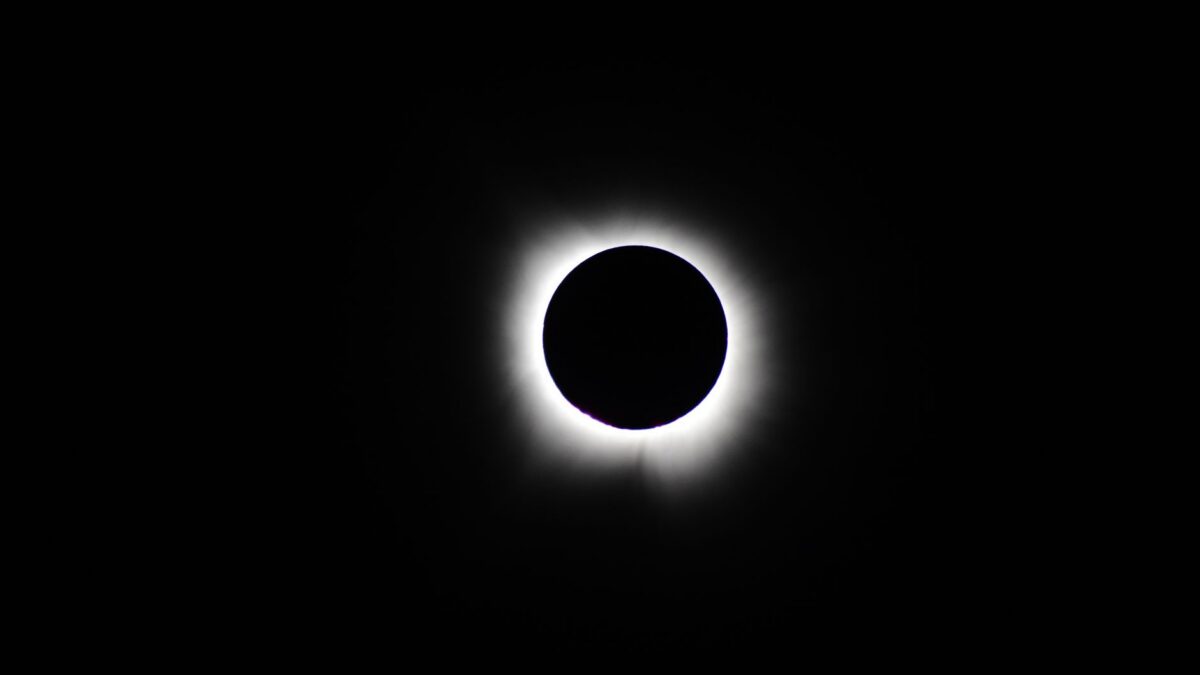
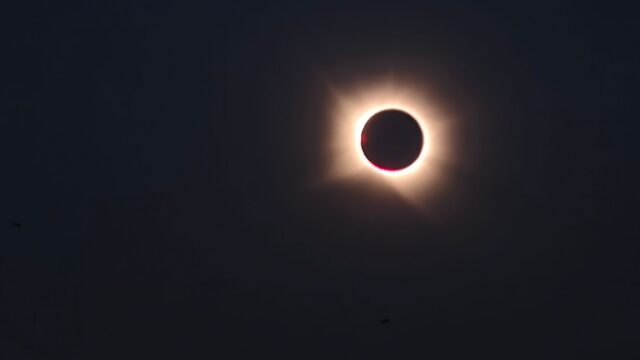
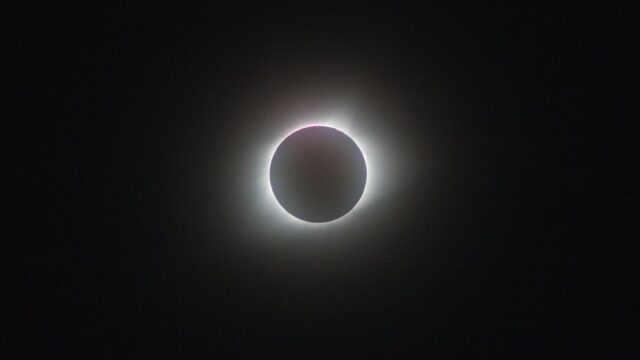
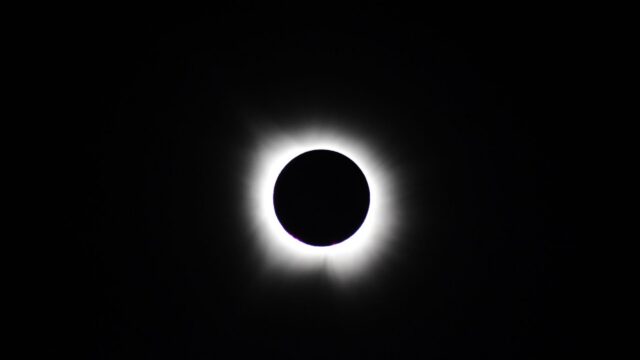
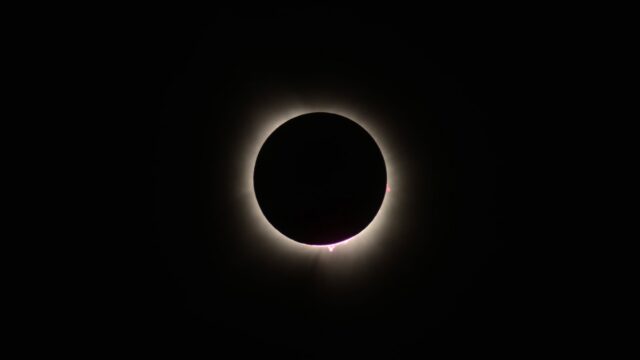
Queenstown and Dunedin, both in New Zealand’s Otago region, will see a total solar eclipse on July 22, 2028, while Auckland gets a partial one. Time and Date lists maximum eclipse in Queenstown at 16:16 local time, with totality lasting 2 minutes, 55 seconds. In Dunedin the maximum is at 16:17 and totality lasts 2 minutes, 51 seconds.
The cloud statistics available so far cover the Australian part of the track, so the weather section below uses those figures and says where they apply.
Where will the eclipse be total in New Zealand?
The Time and Date page for Queenstown describes the event there as a total solar eclipse in Queenstown, Otago. The Dunedin page gives the same classification for Dunedin, Otago. The Auckland page lists a partial solar eclipse for Auckland.
In a total eclipse the Moon covers the whole disk of the Sun for a short time. In a partial eclipse the Moon covers only a part of it, and the Sun never disappears. The eclipse falls on a Saturday afternoon local time, in the southern hemisphere’s winter.
What are the eclipse times in Queenstown and Dunedin?
All times on the Time and Date pages are local time. The two Otago cities have almost the same schedule:
- Queenstown: the eclipse begins at 15:07, reaches maximum at 16:16 and ends at 17:20. The whole event lasts 2 hours, 13 minutes, and totality lasts 2 minutes, 55 seconds.
- Dunedin: the eclipse begins at 15:09, reaches maximum at 16:17 and ends at 17:20. The whole event lasts 2 hours, 12 minutes, and totality lasts 2 minutes, 51 seconds.
Totality is only the stretch around maximum. The rest of the two hours or so is the partial phase, as the Moon slides onto the Sun’s disk and then off it again. Queenstown’s totality is slightly longer than Dunedin’s.
What will Auckland see?
Auckland is outside the path of totality. The Time and Date page lists the partial eclipse there as beginning at 15:18, peaking at 16:23 and ending at 17:28, a span of 2 hours, 10 minutes. The Moon covers part of the Sun for that whole time, but no total phase occurs. People in Auckland who want to see totality would need to travel to the path, which the Otago pages show includes Queenstown and Dunedin.
Where does the shadow come from?
NASA’s path table for the 2028 eclipse gives the northern limit, southern limit and central line of the Moon’s umbral shadow at 120-second intervals. For each point on the central line it lists the Sun’s height above the horizon, the width of the path in kilometers and how long totality lasts. The table starts over the Indian Ocean and follows the shadow across northern Australia, where central-line totality is longer than the figures for the Otago cities. The shadow then crosses the Australian continent before it reaches the Pacific coast near Sydney and the sea beyond.
That order explains why Australian weather data are the closest available guide to the earlier part of the track, and why they say little about New Zealand itself.
What are the weather odds?
Eclipse-travel site Eclipsophile reviewed the Australian climate along the track. The eclipse falls in Northern Australia’s dry winter season. The site rates weather prospects as excellent to very good on the west side of the Great Dividing Range and as fair to middling over the Blue Mountains and along the Pacific coast.
Its satellite observations of average July daytime cloud along the centerline never rise above 40 percent. From the Indian Ocean coast in Western Australia to Karlu Karlu, also called Devils Marbles, satellite-measured cloud stays below 10 percent. Weather stations back this up: sunshine covers more than 93 percent of daytime hours at Halls Creek. Farther southeast, average July cloudiness rises to just under 40 percent at Mudgee, and the Blue Mountains push it to between 35 and 50 percent under the track. After the shadow passes Mudgee and descends the eastern slopes toward Sydney, Eclipsophile reports a drop of about 8 percent in average cloudiness on the centerline, because sinking air tends to dry out as it moves down a slope.
These are Australian numbers. The Time and Date pages for Queenstown, Dunedin and Auckland give times and durations, not cloud statistics, so no New Zealand cloud probability can be taken from them. For a look at how cloud risk is laid out for a different eclipse, see our piece on cloud risk along the Aug. 2, 2027 path.
Which other eclipses can people in Otago and Auckland see?
The Time and Date pages list the nearby eclipses visible from each city:
- Aug. 17, 2027: a penumbral lunar eclipse, in which the Moon passes through the faint outer part of Earth’s shadow.
- July 7, 2028: a partial lunar eclipse.
- July 22, 2028: the total solar eclipse in Queenstown and Dunedin, and the partial one in Auckland.
- Jan. 1, 2029: a total lunar eclipse.
- June 26, 2029: a penumbral lunar eclipse in Queenstown and Auckland, and a partial lunar eclipse in Dunedin.
Anyone planning a trip for the solar eclipse can use the lunar dates as practice for gear and timing. A lunar eclipse is safe to look at with the naked eye. The solar one is not.
How can you watch safely?
Each Time and Date page carries the same warning: never look directly at the Sun without proper eye protection, because you can seriously hurt your eyes and even go blind. The warning applies to the partial phases that fill most of the 2 hours, 13 minutes in Queenstown and the 2 hours, 12 minutes in Dunedin. Use viewers or filters made for looking at the Sun, and follow the safety guidance linked from those pages. For a comparison with how another country’s eclipse path is laid out, our explainer on Spain’s back-to-back total eclipses covers paths, Sun height and weather.
Where to check
The Time and Date pages for Queenstown, Dunedin and Auckland keep the local times and durations up to date, and NASA’s path table carries the central-line circumstances for the whole track.
Based on the sources linked above, November 2026.
Site editor: Nikita Sheikin