Eclipse Weather Odds Aug. 2, 2027: Cloud Risk From Spain to Arabia
Libya and Egypt have the best odds of clear skies for the Aug. 2, 2027 eclipse. See where coastal fog, mountains and dust can spoil the view in Spain, Morocco and Arabia.
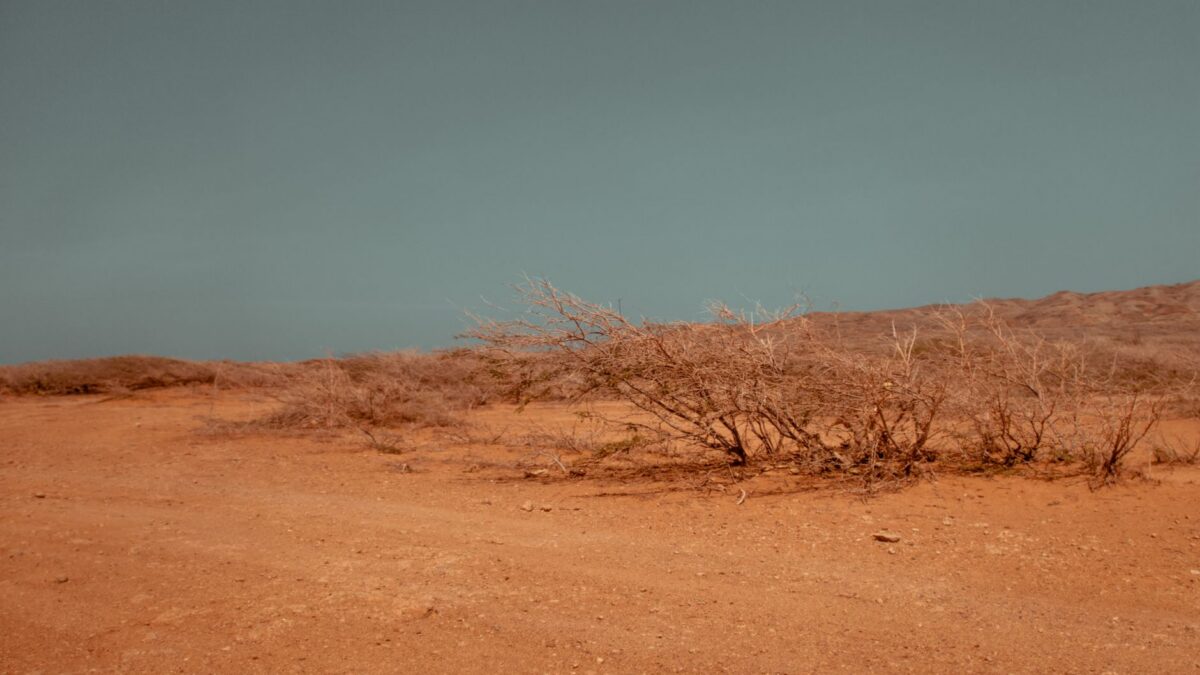
The Aug. 2, 2027 total solar eclipse has some of the best weather odds of any eclipse: along parts of the track over Libya and western Egypt, satellites recorded no August cloud on eclipse day in the past 23 years. Spain and Morocco see cloudy days now and then, but the chances of a clear view there are still very good, and prospects only start to slip once the shadow crosses the Red Sea into Arabia.
The cloud figures below come from the eclipse climatology published by Eclipsophile, which builds its maps from several satellites. For times of totality in each city, see the overview of the eclipse path, times and best places.
Why is the 2027 eclipse track so sunny?
The track runs along the northern edge of the Sahara, so much of it shares the desert’s summer weather: hot, dry, sunny and often dusty. In midsummer the Azores High (also called the Bermuda High) sits in the mid-Atlantic west of the Strait of Gibraltar. It pushes a ridge of high pressure over northern Spain and down into the central Mediterranean near Tunisia, which keeps most cloud systems away.
Two heat lows also settle in every summer, one in northern Mali near the Algerian border and a much stronger one over the Arabian Desert. According to Eclipsophile, they shape the winds and dust storms but do little to cloud cover.
The shadow first touches Earth over the subtropical Atlantic, passes about 70 km from Porto Santo and Madeira, then reaches Spain and Morocco about six minutes later. From there it travels roughly 4,000 km along the Mediterranean shore before bending southeast.
What are the cloud odds in Spain and Gibraltar?
Southern Spain has a hot-summer Mediterranean climate, known in the Köppen system as Csa, with hot, dry summers and most rain in autumn, according to Wikipedia’s summary of the climate of Spain. Málaga, one of the example cities for that climate, has an August mean daily maximum of 31.5 °C (88.7 °F) at its airport station.
The main risk in the west comes from weather systems riding the subtropical jet stream, which usually sits over northern Spain in midsummer. When one of these systems arrives it can spread a wide sheet of cloud over the track and end any hope of seeing the Sun. Eclipsophile says they are uncommon in August and affect only the western part of the path. The Atlantic coast also gets low cloud and fog from the cool Canary Current, the same process that hits Morocco’s coast. Local times for the Spanish coast are in our guides to Cádiz, Málaga and Marbella and Gibraltar.
What is the weather risk in Morocco?
Morning fog and low stratus cloud are the main threat on Morocco’s Atlantic side. The cool ocean saturates the air above it, and cool nights do the same over low ground, so fog banks form and often lift into a layer of stratus by morning. Sometimes the sea cloud and land cloud merge and cover the southern half of the eclipse track for up to 100 km inland.
That is most likely around the coastal towns of Asilah, Larache and Souk el Arbaa, where the land rises slowly from the sea. At times the stratus reaches almost as far as Ouazzane at the foot of the mountains. Tangier is better placed: the city sits a little way into the Strait of Gibraltar, and Cape Spartel, a 300-m rise at the tip of the Tangier Peninsula, tends to hold the stratus on the western side. It does not give complete protection.
Inland, a second, smaller jet stream from the southwest carries disturbances from the tropics that build clouds and thundershowers over the Atlas Mountains. Most of those storms grow in the afternoon heat, after the shadow has passed. In the early morning they usually leave only patchy mid-level cloud.
How cloudy are Algeria and Tunisia on eclipse morning?
Average morning cloud along the North African part of the track is low, and it is lowest near the southern edge of the path over Tunisia, where the Sahara has the strongest effect. Satellite data show more cloud over water, though Eclipsophile notes that glare from sunlight on the sea inflates those readings.
Mountains add only a little. Average morning cloud rises about 4 percent where the southern limit crosses the Rif Mountains between the Moulouya River and Oudja, and about 8 percent where the centerline crosses the Aures Mountains in eastern Algeria. Those graphs use mid-to-late morning satellite passes, so they miss some of the early coastal cloud that forms before the eclipse begins.
Dust is a separate problem. The Atlas Low, which forms south of the Atlas Mountains in northeast Algeria and drifts east, brings little cloud but can raise widespread dust storms. Small lows off the coasts of Morocco and Algeria occasionally bring cloud, usually only near the shore.
Why do Libya and Egypt have the best odds?
Cloud is almost unknown over Libya and Egypt in summer, and the cloud fraction only begins to rise above zero once the track reaches Luxor. Nearly all of Egypt has a hot desert climate (Köppen BWh), according to Wikipedia’s article on the climate of Egypt.
The Cairo International Airport normals for 1991 to 2020 show 0 mm of average August rain, 351 hours of sunshine in August and 86 percent of possible sunshine for the month. Sunshine across most of the interior exceeds 4,000 hours a year, compared with about 3,300 hours on the northern coast around Alexandria. Heat is the bigger risk for viewers: average summer highs in Aswan and Luxor can exceed 41 °C (106 °F). City-by-city timings are in our guides to totality in Luxor and to Cairo, Aswan and Hurghada.
What about Saudi Arabia and Yemen?
Sunshine odds weaken after the shadow leaves Africa for the Arabian Peninsula, and the mountains of Arabia are the one stretch where cloud builds before the track reaches the Indian Ocean. Eclipsophile still points to clear-sky refuges in Arabia, especially along the Red Sea coast. Most of the extra cloud along the full path comes after it heads out over the Indian Ocean toward Diego Garcia.
Quick answers
Where is the best place to avoid clouds for the 2027 eclipse?
Libya and western Egypt, where no August eclipse-day cloud was recorded in 23 years of satellite data. Egypt is far easier to reach for most travelers.
Is fog a risk for the eclipse in northern Morocco?
Yes, on the Atlantic coast. Morning stratus can spread up to 100 km inland near Asilah and Larache, while Tangier is partly sheltered by Cape Spartel.
Can these odds tell me the weather on Aug. 2, 2027?
No. Climatology describes long-term averages. Check the forecast from your national weather service in the days before the eclipse, and remember that visibility depends on location and weather on the day.
Checked against official sources in November 2026. Hours, prices and rules change: confirm on the official page before you go or apply.