Spain’s Back-to-Back Total Eclipses: Paths, Sun Height and Weather
Spain sees totality in August of two straight years. How the two paths differ, why the Sun sits lower in one, and what cloud records say about each.
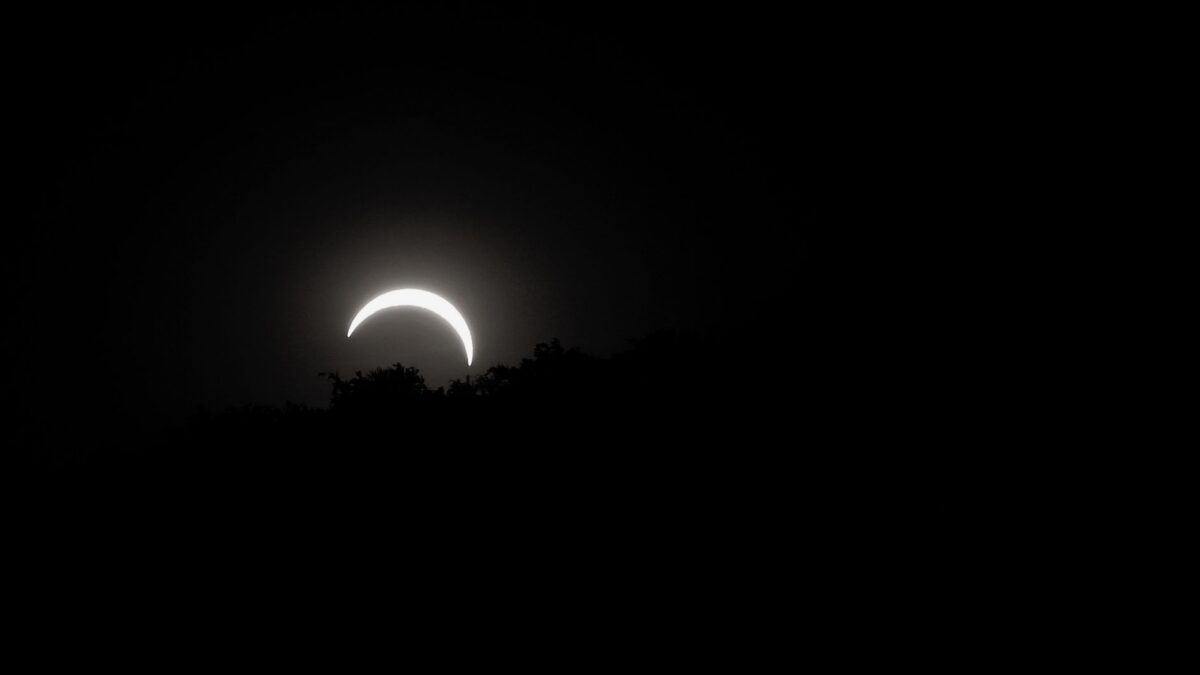
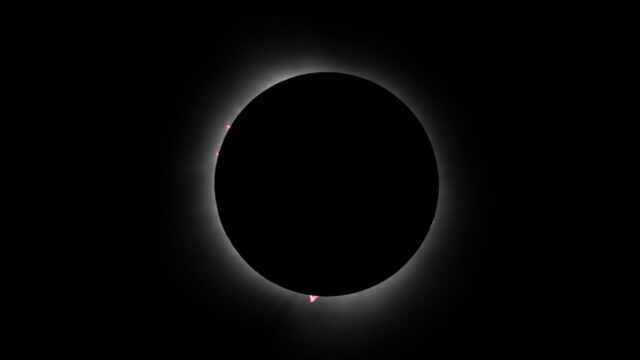
Spain is under the Moon’s shadow twice in a row: the total solar eclipse of Aug. 12, 2026 ends its run over the Iberian Peninsula near sunset, and the total eclipse of Aug. 2, 2027 reaches southern Spain in the morning with the Sun much higher. The 2026 track comes from the Arctic and is cloudy for most of its length, while the 2027 track runs along the edge of the Sahara and has some of the best weather odds of any recent eclipse. Both give Spain good chances of clear skies in August, but they ask for different planning.
Where did the 2026 shadow come from?
The 2026 path starts at sunrise over the Taymyr Peninsula in Arctic Russia and the nearby Laptev Sea, according to the climate analysis by Eclipsophile. From there it crosses the Arctic Ocean, passing only 100 km south of the North Pole, then sweeps over Greenland and Iceland before reaching Spain and Mallorca. Two-thirds of the shadow path lies over water.
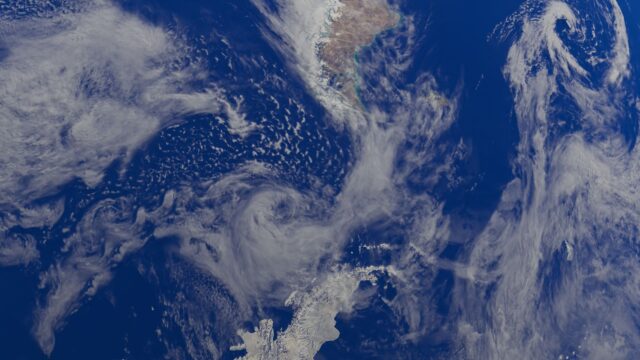
The Arctic stretch is cloudy almost the whole way. August is close to the yearly peak of High Arctic cloud cover, because cool, moist air sits over largely open ocean and a steady parade of low-pressure systems moves through. On the Russian coast where the shadow touches down, satellites show mean August cloud of around 75 percent. Even Greenland’s best spots, deep inside the Scoresby Sund fjord system, average just under 50 percent cloud in satellite data. Iceland sits on the main North Atlantic storm track next to the Icelandic Low, which brings frequent cloud and rain.
The analysis singles out Spain and Mallorca as the most promising places to watch, since the path ends its journey in a sunnier Iberian climate. Ship-based viewing over the open ocean faces a hard time finding good weather on this track.
Where does the 2027 shadow go?
The 2027 eclipse begins over the subtropical mid-Atlantic, well north of the zone off western Africa where hurricanes form. Eclipsophile’s 2027 climate guide notes that the path misses Porto Santo and Madeira by 70 km and then makes landfall in Spain and Morocco about six minutes later. For the next 4,000 km it follows the Mediterranean shore and slowly bends toward the southeast, crossing North Africa and Arabia before heading out over the Indian Ocean to end near the atoll of Diego Garcia.
For a reader in Spain, the main change is direction. In 2026 the shadow arrives from the north at the end of its trip. In 2027 it comes in from the Atlantic at the start of its land crossing and continues east toward Gibraltar, Morocco and beyond. Our overview of the 2027 path and best places covers the full route.
Why is the Sun lower in 2026 than in 2027?
Each eclipse path starts where the shadow first meets Earth at sunrise and ends where it leaves at sunset. The 2026 path ends over Iberia, so Spain sees totality late in the day with the Sun low in the western sky. A low Sun means the light passes through more air and haze, and any hill, building or bank of cloud on the western horizon can block the view.
The 2027 path starts in the Atlantic and reaches Spain early in its run, so totality comes in the morning with the Sun well clear of the horizon. That makes the choice of site less dependent on an open western view. The 2027 source adds that its cloud graphs use mid-to-late morning satellite passes, which come after the shadow has already crossed the western end of the track. For exact local times in Andalusia, see our guide to eclipse times in Cádiz, Málaga and Marbella.
What are the weather odds in Spain for 2027?
Eclipsophile describes eclipse-day chances in Spain and Northwest Africa as very good, with cloudy days uncommon. Most of the good weather comes from the Azores High (also called the Bermuda High), which sits in the mid-Atlantic west of the Strait of Gibraltar in midsummer and pushes a ridge of high pressure across northern Spain.
The risks are specific:
- Disturbances along the high-level subtropical jet, which usually lies over northern Spain in midsummer, can spread large shields of cloud, but they are uncommon in August and affect only the western part of the path.
- The cool Canary Current can form low cloud and coastal fog along the Atlantic coasts of Spain and Morocco, especially overnight and in the early morning.
- Thunderstorms over the Atlas Mountains mostly build in the afternoon, after the shadow has passed.
Satellite data show cloud is highest over water and lowest near the Sahara. Over Libya and western Egypt, no August cloud has been recorded on eclipse day in the past 23 years.
How do the two eclipses compare overall?
The 2026 eclipse is a cloudy track with a good ending: most of its length is over Arctic water and ice, and Spain is where the weather finally improves. The 2027 eclipse is a dry track from the start, shaped by the Sahara and the Azores High, with marine fog on Atlantic coasts as the main local hazard in the morning. In 2026 the low Sun is the biggest practical problem for Spanish observers. In 2027 the higher Sun removes that worry, and the remaining question is coastal cloud near the Atlantic side of the Strait.
Quick answers
Is Spain a good place to see the Aug. 12, 2026 eclipse?
Eclipsophile rates Spain and Mallorca as the most promising sites on the whole 2026 track, ahead of the cloudier Arctic, Greenland and Iceland sections.
Does Tangier or Gibraltar get clear skies in 2027?
Tangier sits a short way inside the Strait of Gibraltar, and a 300-m rise at Cape Spartel tends to hold Atlantic stratus on the western side of the peninsula, though not always. Our Gibraltar eclipse guide has times for the Rock.
Do mountains add cloud on the 2027 path?
Only a little in the morning: average cloud rises about 4 percent as the south limit crosses the Rif Mountains and about 8 percent on the centerline over the Aures Mountains in eastern Algeria.
Checked against official sources in November 2026. Hours, prices and rules change: confirm on the official page before you go or apply.