Rembrandt’s Night Watch Hosts Bacteria First Found at a Sugar Refinery
Swabs from Rembrandt's 1642 Night Watch grew skin and soil bacteria plus one species first seen at a Japanese sugar refinery. What the team found.
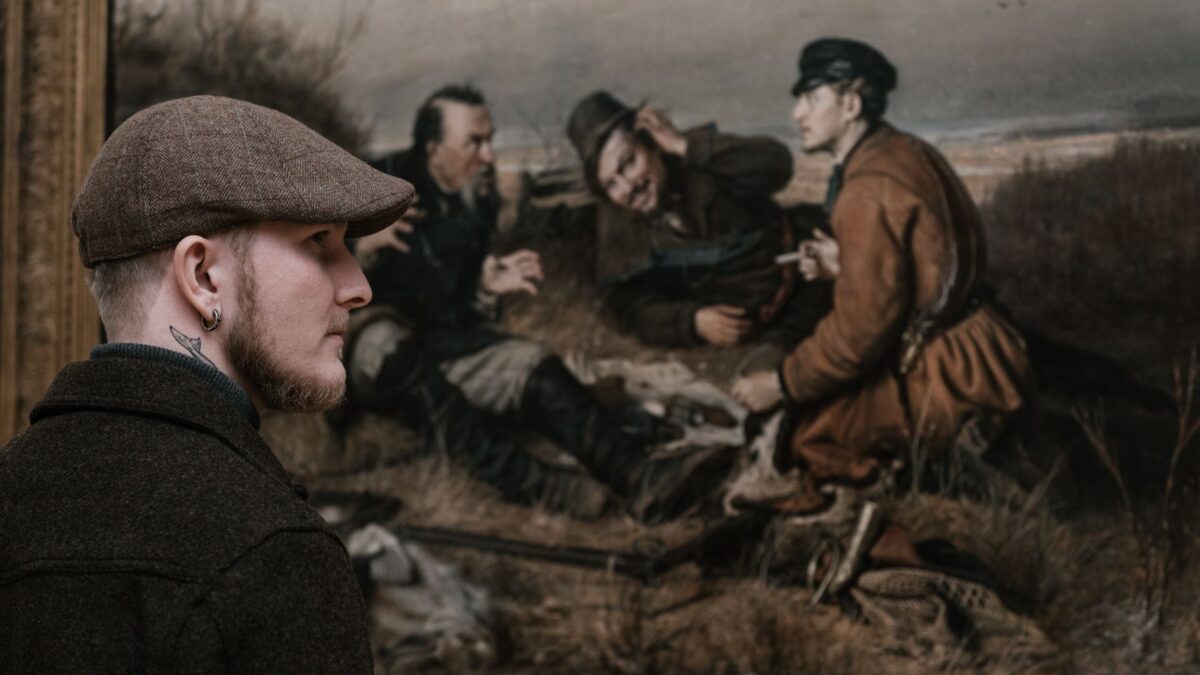
Swabs from Rembrandt’s The Night Watch have grown colonies of bacteria, including Microbacterium saccharophilum, a species first identified in 2013 at a sugar refinery in Japan. Researchers from the Rijksmuseum and ARTIS-Micropia in Amsterdam are collecting 60 samples from 10 areas of the 1642 canvas, Smithsonian Magazine reported.
Microbiologist Eline van Bloois of ARTIS-Micropia told El País that no work of art had been analyzed this way before. Most of what the team has found is ordinary: bacteria that live on human skin and in soil, and some associated with plants.
How the team sampled the painting
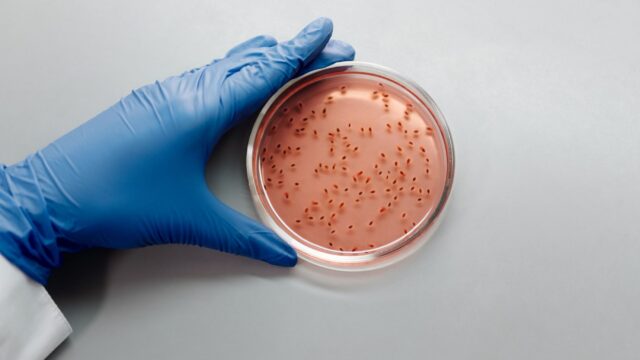
Conservators and lab technicians pressed small sterile cellulose discs against varnished and unvarnished sections of the canvas. The discs went into Petri dishes and were incubated in the ARTIS-Micropia laboratory until the invisible microbes multiplied into visible colonies. An external lab then identified them.
The team has made half of its six planned sampling trips to the Rijksmuseum. Twenty identified microbes are on display and another 10 are still incubating. The researchers expect to have all 60 samples by February.
Who lives on the canvas
Staphylococcus epidermidis and Micrococcus luteus are harmless skin bacteria. According to the Amsterdamian, they help hydrate skin and defend against pathogens. The team also isolated plant-root and soil species: Kocuria palustris, Kocuria rhizophila and Lysinibacillus sphaericus, which can survive in harsh environments rich in heavy metals.
The odd one out is Microbacterium saccharophilum. It turned up on a section where old varnish had already been removed. The species was first isolated from soil at the Ensuiko Sugar Refining plant in Yokohama, Japan, and has no obvious link to a Dutch Golden Age painting. Van Bloois said very little sugar has been seen on the painting and that “it’s best not to speculate”, adding that the bacterium may not be as old as the canvas.
How sure is this?
The results so far come from the museums’ public presentation and exhibition, not from a journal paper, and only half of the sampling is done. The team has no way to tell when any of the bacteria arrived on the painting.
Finding microbes from Rembrandt’s own time is unlikely. Katrien Keune, the Rijksmuseum’s head of science, told the Amsterdamian that centuries of restoration make traces of the painter improbable. The canvas was trimmed in 1715 and has had treatments and deep cleanings roughly once every 50 years. The surface mostly reflects museum staff and visitors shedding skin cells and saliva droplets.
What comes next
The microbe census is a new part of Operation Night Watch, the Rijksmuseum’s research and conservation project launched in 2019. In a glass chamber in the Gallery of Honor, conservators are removing a yellowed layer of varnish applied in the 1970s. Earlier work in the project showed that Rembrandt put a lead-laden oil layer under the primer to protect the painting from moisture and mold.
The living colonies are part of “The Night Watch Lives,” an exhibition at ARTIS-Micropia that runs through May 2027. It is built around a life-size reproduction of the painting marked with sampling dates. The researchers hope the project improves the public image of microbes: far less than 1 percent of known species cause disease in humans or animals.
Source: Smithsonian Magazine
Site editor: Nikita Sheikin