Microplastics Spontaneously Generate Reactive Molecules in Water
A Nature study from Columbia and UC Berkeley finds microplastics in water form reactive oxygen species, molecules that can damage cells and tissue.
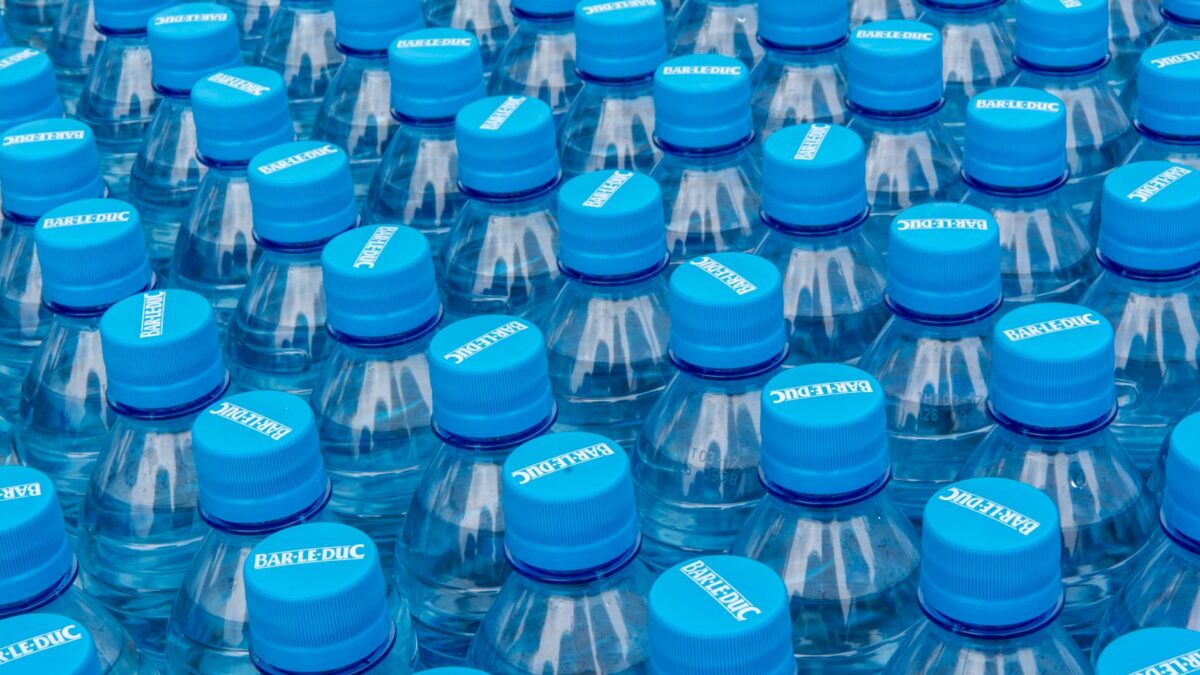
Tiny plastic particles in water produce highly reactive molecules on their own, according to a study in Nature from Columbia University and the University of California, Berkeley. The molecules, called reactive oxygen species (ROS), can damage animal and human tissue.
Plastic is widely treated as chemically stable. The new work suggests that stops being true once it breaks into microplastics and nanoplastics. Each fragmentation exposes more surface, and that surface reacts with the water around it.
What the researchers found at the plastic surface
Many plastics are hydrophobic, meaning their surfaces repel water. The team found that water touching such a surface behaves differently from ordinary water. Conditions near the boundary encourage electrons to move between chemical species, which lets reactive radicals form.
“Water is a key active player here, rather than just a spectator,” said Wei Min, a Columbia professor of chemistry and biomedical engineering. As particles get smaller, their surface-to-volume ratio rises, which creates more places where this can happen.
The Berkeley group, in the laboratory of Teresa Head-Gordon, supplied the molecular explanation using theoretical calculations and computer simulations. In their account, hydroxide ions, which carry a negative charge, gather in the thin layer of water next to a water-repelling plastic surface. There they can lose electrons more easily and form hydroxyl radicals, a particularly reactive kind of ROS.
The Columbia team ran chemical and biological experiments to test the process. Naixin Qian, a postdoctoral researcher in Min’s lab who helped lead the work, said microplastics generate ROS spontaneously when they interact with water, as in bottled water or after being absorbed into the bloodstream.
Where the finding fits with earlier microplastics work
Min’s laboratory published a widely reported study in 2024 that used a laser-based microscopy technique to detect very small plastic particles. It found an average of approximately 240,000 detectable plastic fragments in a single liter of bottled water, mostly nanoplastics. That was 10 to 100 times more particles than earlier estimates.
Health concern has grown since then. According to the Columbia summary, the federal government launched a $144 million initiative in 2026 on toxic microplastics in the human body, and the U.S. Environmental Protection Agency listed microplastics for the first time among contaminants that may be of concern in drinking water. Studies in the New England Journal of Medicine, Nature Medicine and Nature Health have reported associations between microplastic exposure and conditions including heart attacks, strokes, dementia and brain tumors.
Until now it was unclear how chemically inert plastic could harm biological tissue. The reactive-molecule pathway offers one possible explanation.
How sure is this?
The study is peer-reviewed and published in Nature (2026, volume 658, page 650; DOI 10.1038/s41586-026-11141-y). The findings do not establish that this process causes any specific disease in people. Whether the reactions occur at harmful levels inside the body was not shown by this work, and the sources do not give the number of particles or plastic types tested.
The researchers describe the reaction as a plausible contributor to the damage seen in animals and possibly in humans after exposure, not a proven cause.
Sources of the particles and possible fixes
Co-author Beizhan Yan of Columbia’s Lamont-Doherty Earth Observatory said microplastics can form in discharges from plastic manufacturers and from laundromats, and can enter waterways. He added that everyday processes such as microwave heating and sunlight exposure of stored bottled water can generate them too. The researchers say the reactions could affect aquatic organisms and ecosystems as well as people.
Head-Gordon said the chemistry could eventually guide the redesign of common plastics so they produce fewer harmful reactive molecules when exposed to water.
Source: ScienceDaily
Site editor: Nikita Sheikin