Dark Energy Camera Images Betta Fish Nebula, a Supernova Remnant 6800 Light-Years Away
A 570-megapixel camera in Chile produced the most detailed view yet of supernova remnant SNR G295.5+09.7. Here is what the image shows and how it was made.
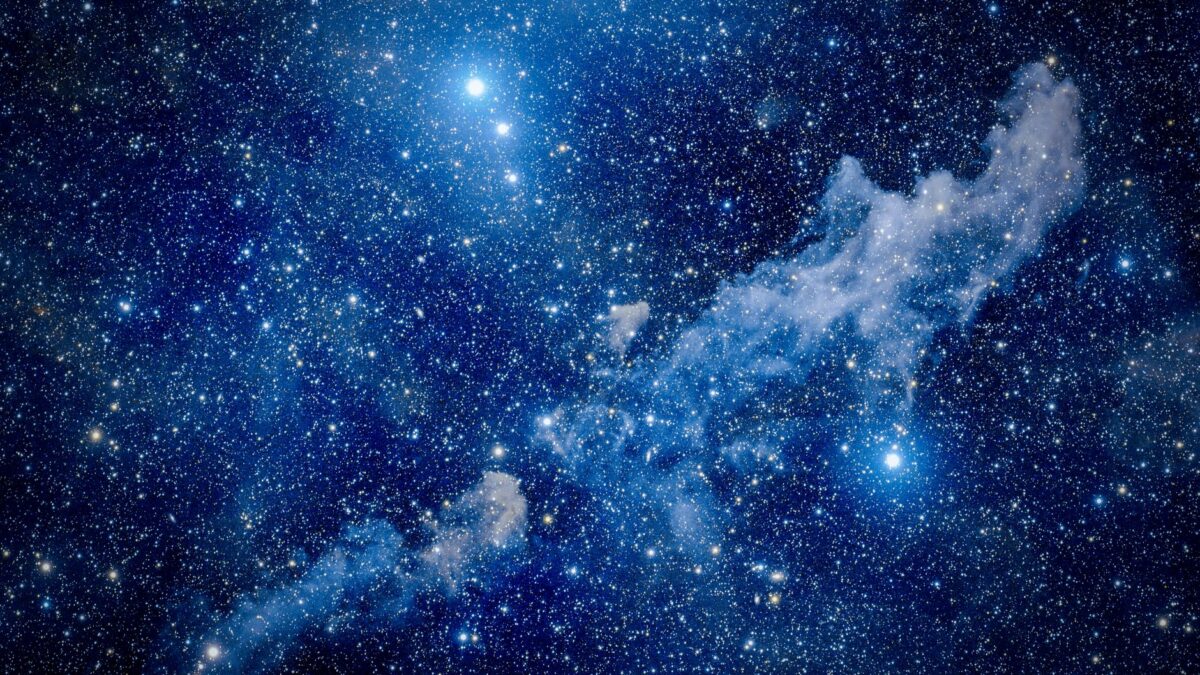
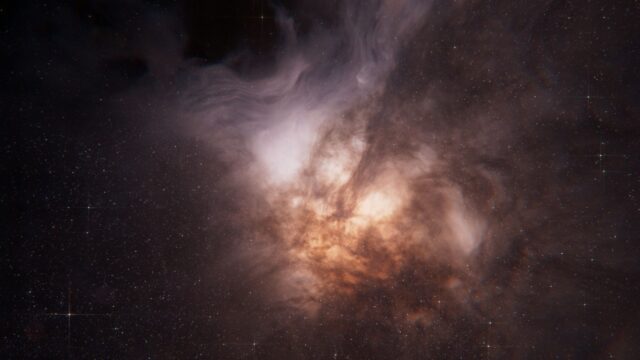
The most detailed view yet of the supernova remnant SNR G295.5+09.7, nicknamed the Betta Fish Nebula, shows blue ribbons of glowing gas about 6800 light-years away. NSF NOIRLab released the image on Nov. 23. The observatory says the nebula may not have been imaged by a professional observatory before, which would make this the first picture of its kind.
The ribbons resemble the flowing tails of betta fish, which gave the object its nickname. The nebula lies in Centaurus, a constellation visible from the Southern Hemisphere.
How the camera captured the nebula
The image was taken with the Dark Energy Camera, or DECam, a 570-megapixel imager mounted on the NSF Víctor M. Blanco 4-meter Telescope at Cerro Tololo Inter-American Observatory in Chile. The U.S. Department of Energy funded the camera, which was built and tested at the department’s Fermilab. It was designed for the Dark Energy Survey, and NOIRLab says its wide field of view gives astronomers detailed pictures of nebulae and the space around them.
This picture was taken under the NOIRLab Legacy Imaging Program, which sets aside observing time on NOIRLab telescopes to collect data specifically for color images shared with the public. The program continues one that began at the International Gemini Observatory in 2002.
What the nebula is
A supernova is the explosive death of a star many times more massive than the Sun. According to NOIRLab, the blast threw off the star’s outer layers. That material expanded into the interstellar medium, the gas and dust between stars, and slammed into the surrounding gas. The collision made the gas glow, producing the blue ribbons in the image.
The rest of the star collapsed under its own gravity but did not collapse completely. It formed a neutron star, which sits inside the nebula’s outer shell. NOIRLab describes neutron stars as packing about 1.4 times the mass of the Sun into a sphere 20 kilometers (12 miles) across. A black hole would have formed if the collapse had gone all the way.
What else is in the frame
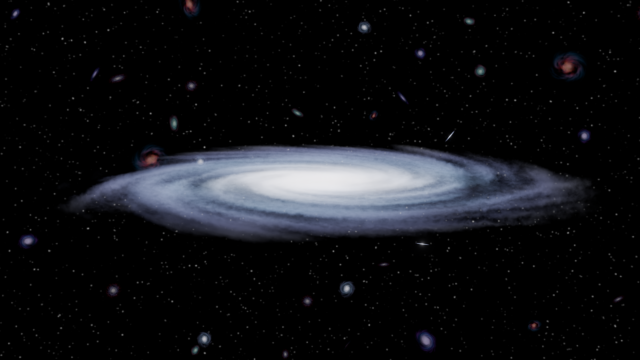
The nebula sits in the Carina–Sagittarius arm of the Milky Way. Thousands of stars from that arm fill the background. Galaxies outside the Milky Way are also hidden among them, and NOIRLab invites viewers to look for them in the zoomable version of the image.
Hazy brown patches in the background are interstellar clouds within the Milky Way. These are similar to nebulae but far more spread out. NOIRLab notes that the Solar System sits inside one such structure, the Local Interstellar Cloud.
How sure is this?
This is an image release from NOIRLab, not a peer-reviewed study, and the announcement does not describe new measurements of the remnant. The claim of a first professional image is hedged by the observatory itself: the nebula “may not have been imaged” professionally before. The distance of almost 6800 light-years and the neutron star’s mass and size are general figures given in the release, not results from this observation. No journal paper accompanies the image.
Source: NOIRLab
Site editor: Nikita Sheikin