Genomes of 86 Howler Monkeys Reveal Two New Amazon Species
Two new howler monkey species, the first in 85 years, were found in the Amazon through genome analysis. See how the study redrew the family tree.
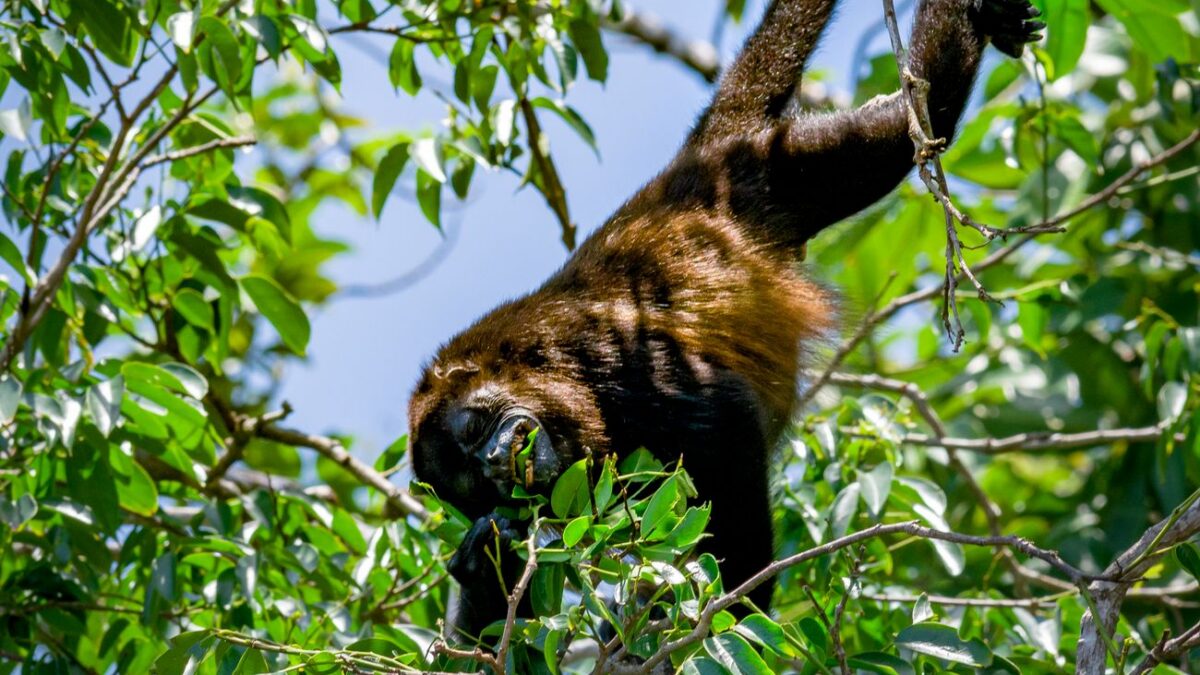
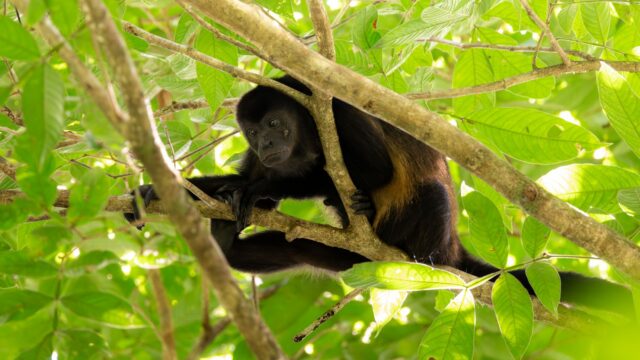
Researchers have described two new species of howler monkey in the Amazon rainforest, the first new howler species identified in 85 years, according to Discover Magazine, which republished a report from IFLScience. The findings come from the first genome-wide study of the genus Alouatta, the loud primates of Central and South America, published in the journal Communications Biology.
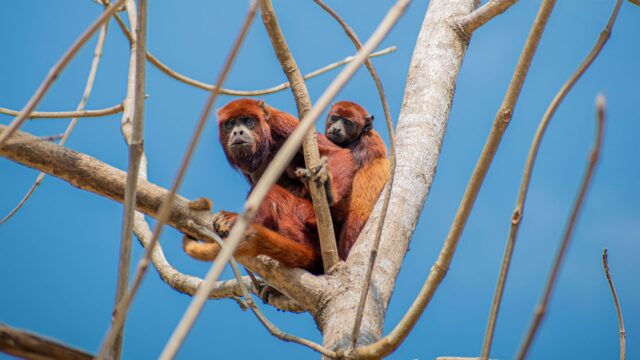
The first, Alouatta iroi, called the Pantepui red howler, lives in the northwestern Amazon between the Rio Branco and Rio Cauaburi. It has a bright yellowish-brown to golden coat. The second, Alouatta matogrossensis, the Mato Grosso red howler, lives in southern Amazonia between the Rio Madeira and Rio Teles Pires and has a bright reddish-brown coat.
What the team analyzed
The team was led by Romina Batista and Professor Jean Boubli of the University of Salford. They collected genetic evidence from 86 howler monkeys across the animals’ range, including museum specimens. One DNA sample came from bits of dried skin on two mounted specimens at the Zoologische Staatssammlung München, the Bavarian State Collection of Zoology in Munich.
Comparing whole genomes, rather than short stretches of DNA, confirmed what many biologists had suspected: the howler monkey family tree is complicated and needs to be redrawn. “Our study shows that the Amazon still holds remarkable biological secrets,” Batista said in a statement.
Other changes to the family tree
The evidence indicates that A. puruensis is not a valid species and is the same as A. juara. The study also supports treating the Trinidad howler (A. insulanus) as its own species instead of a subspecies, although nuclear DNA, the genetic material in the cell nucleus, is still needed to confirm that.
The genes also give a timeline. The genus most likely originated in Mesoamerica and then spread into South America. The first split, between Central American and South American howlers, occurred around 3.5 million years ago, roughly when the Panama land bridge formed. Later splits followed the development of the region’s great rivers, including the Amazon, which blocked gene flow (the mixing of genes between populations) and let groups evolve separately. Savannas that formed in parts of the Amazon Basin divided the range of A. nigerrima and A. sara.
Howlers are considered the world’s loudest land animal. Their roars and barks can be heard as far as 5 kilometers (3 miles) away and are used to ward off rivals, mark territory and communicate.
How sure is this?
The work was published in Communications Biology, a peer-reviewed journal. The sample of 86 animals covers the genus across its range, but the authors say the Trinidad howler’s status still needs nuclear DNA to settle. The sources do not describe how other primatologists have responded to the new classifications.
Boubli said the discovery comes as deforestation, climate change and habitat loss threaten many Amazonian species before they are fully understood. He said the team hopes conservation groups can use the findings to identify the most vulnerable populations and prioritize protection across the Amazon Basin.
Source: Discover Magazine
Site editor: Nikita Sheikin