How Many Species Are There on Earth? Known vs Estimated
Scientists have named a few million species, yet most living things on Earth are still undescribed. Here are the counts, the estimates and the reasons they differ so widely.
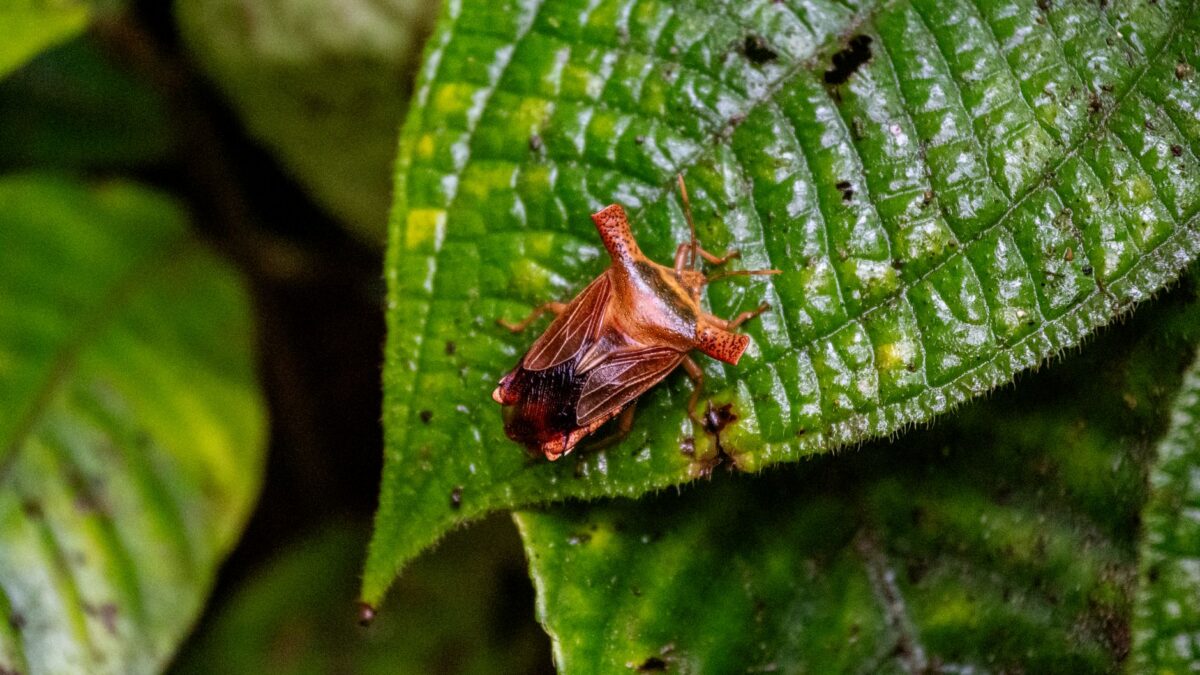
Scientists have described and named roughly 2 to 2.5 million species. The Catalogue of Life, a global checklist, listed about 2.46 million in its October 2026 release. The true total is far larger: a widely cited 2011 study in PLOS Biology estimated about 8.7 million species of plants, animals, fungi and other complex life, and published estimates that include bacteria run much higher.
The gap exists because most species are small, rare, hidden in the deep sea or tropical forests, or look almost identical to known species.
How many species have been described?
About 2 to 2.5 million, depending on the source and on which names are counted as valid. The Catalogue of Life compiles names from expert taxonomic databases. Its October 2026 release (COL26.10 XR) breaks down by kingdom as follows.
| Group | Species in the Catalogue of Life (Oct 2026) |
|---|---|
| Animals | 1,800,193 |
| Plants | 408,109 |
| Fungi | 174,658 |
| Other kingdoms (protists, bacteria, archaea and others) | 75,723 |
| Total | 2,458,683 |
The extended (XR) release draws on more sources than the base checklist, so it runs higher than the “about 2 million” figure often quoted. The counts change with every release as species are added, merged or split.
How many species might exist in total?
Nobody knows, and the published estimates span a huge range. The best-known figure comes from a 2011 study in PLOS Biology by Camilo Mora and colleagues. Using the pattern of how species group into genera, families and higher levels, they estimated about 8.7 million species (plus or minus 1.3 million) of eukaryotes, the group that includes animals, plants and fungi. About 2.2 million of those live in the ocean.
A 2023 review in PLOS Biology by John Wiens of the University of Arizona compared many estimates. The lowest was about 2 million. Estimates that try to count bacteria run into the trillions. For insects alone, the review cites about 6 million species based on body form, and about 20 million once species that look alike but differ genetically are counted.
The review also points out the weak spots. Many large estimates rest on extrapolation from a few groups, assumptions about hidden species, or small case studies, so none should be read as a firm count.
Why are most species still unnamed?
By the 2011 estimate, about 86 percent of species on land and 91 percent in the ocean still await description. Several things keep the count low:
- Size. Most undescribed animals are small: beetles, flies, wasps, mites and worms.
- Place. Tropical forest canopies, soils and the deep sea are hard to sample.
- Look-alikes. DNA studies keep splitting one “species” into several that look the same, called cryptic species.
- Microbes. Bacteria and archaea are counted by genetic differences, and scientists disagree on where to draw species lines.
- Time. Describing a species properly takes careful comparison with museum specimens and a formal publication.
How does a new species get named?
A species becomes official when a scientist publishes a formal description that follows the rules of the relevant naming code. For animals that is the International Code of Zoological Nomenclature; plants, fungi and bacteria have their own codes. The usual steps are:
- Collect specimens, or study ones already sitting in museum drawers, where many new species are found.
- Compare them with the closest known species, often using anatomy and DNA.
- Choose one specimen as the holotype, the reference specimen for the name, and deposit it in a public collection.
- Write a description and a diagnosis that says how the species differs from its relatives.
- Give it a two-part Latin name, genus plus species, and publish it, usually in a peer-reviewed journal. Animal names in online-only journals must also be registered in ZooBank.
Later studies can still merge the species with another one or split it further. A name is a hypothesis that other scientists can test.
How many species are threatened with extinction?
Only a small share of known species has been assessed. The IUCN Red List covered 175,909 species as of its July 2026 update, and 49,505 of them were listed as threatened with extinction, according to the IUCN. That is roughly 7 percent of the species in the Catalogue of Life, so the true number at risk is unknown.
Some species will vanish before anyone names them. Mass extinctions in the past, like the one at the end of the age of dinosaurs, are covered in our explainer on what killed the dinosaurs.
New descriptions keep arriving from every habitat, including the deep sea and long-lived animals no one had dated before; see our guides to how animals navigate and the longest-living animals.
Bottom line
About 2 to 2.5 million species have scientific names, and the Catalogue of Life listed 2.46 million in October 2026. A widely cited 2011 estimate puts the number of plants, animals, fungi and other complex life near 8.7 million, and counts of bacteria could reach far higher. Most of what is missing is small, hidden or hard to tell apart.
FAQ
How many animal species are known?
The Catalogue of Life listed about 1.8 million animal species in its October 2026 release. Insects make up the majority of them.
Is the 8.7 million species estimate reliable?
It is the most cited estimate, but it is a model, not a count. It covers only eukaryotes, carries a margin of plus or minus 1.3 million, and later reviews have questioned some of its assumptions.
How many new species are described each year?
Many thousands, most of them insects and other invertebrates. Exact yearly totals vary by source and are compiled with a delay.