Who Built Gobekli Tepe? Hunter-Gatherers 11,000 Years Ago
Gobekli Tepe in Turkey was built by hunter-gatherers around 11,000 years ago, before farming. See how they built it and what the site was for.
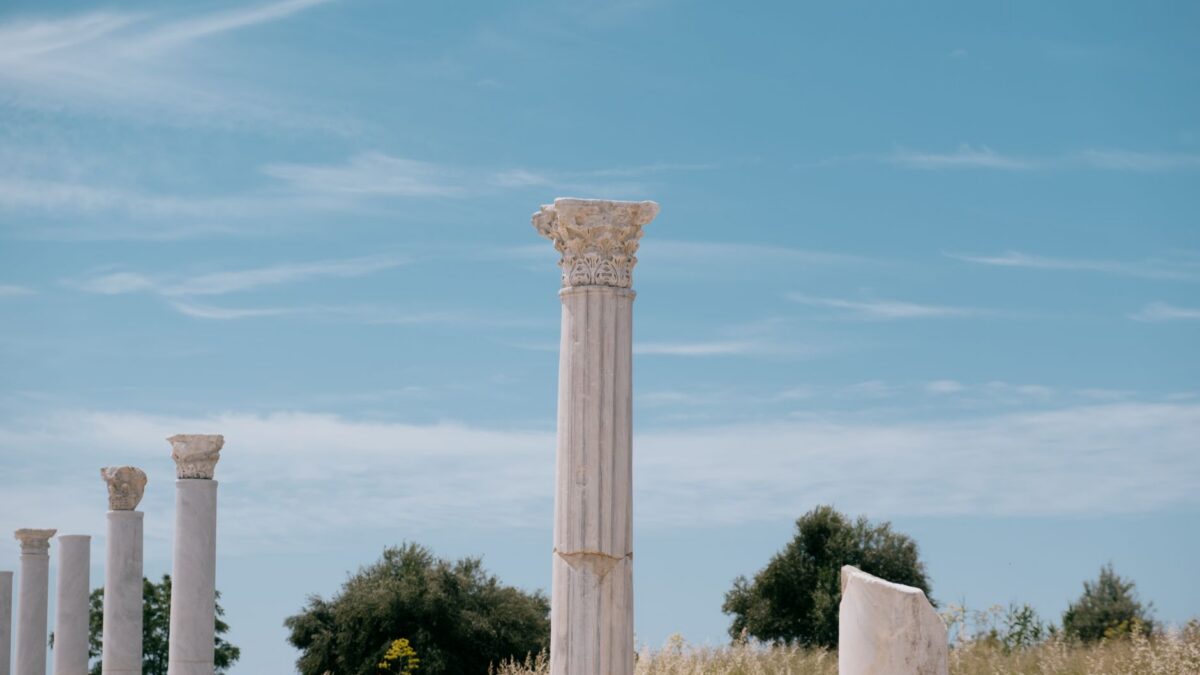
Gobekli Tepe in southeastern Turkey was built by groups of hunter-gatherers roughly 11,000 years ago, before farming, pottery or metal tools existed in the region. Archaeologists consider it the oldest known monumental stone architecture in the world. Its builders were people who lived by hunting animals and gathering wild plants, and who shaped limestone with stone tools alone.
The site sits on a hilltop near the city of Sanliurfa. It holds large circular enclosures ringed by T-shaped stone pillars, many carved with animals. Excavations there have changed how researchers think about the order of events in early human history.
How old is Gobekli Tepe?
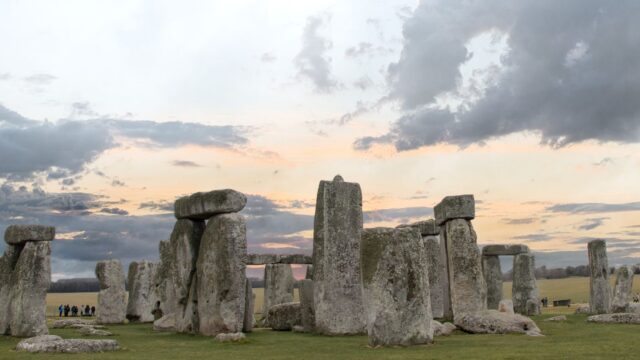
The oldest enclosures date to about 9500 BCE, which is around 11,500 years ago. That is roughly 6,000 years before Stonehenge and well before the first known cities. The dating comes from radiocarbon analysis of organic material found at the site, together with the layered structure of the hill.
The age matters because of what the people did not yet have. Farming and domesticated animals appeared in this part of the Near East over the following centuries. The builders of Gobekli Tepe lived before that shift, which makes the monument a puzzle for older ideas about how societies develop.
Who were the builders?
The builders were Stone Age foragers, usually described by archaeologists as Pre-Pottery Neolithic hunter-gatherers. No writing from them survives, and no one knows what they called themselves or what language they spoke. What is known comes from the stones, the tools and the animal bones left behind.
Researchers generally believe that several groups from the surrounding area came together to build and use the site. Building the enclosures took many people working over long periods, which means they had ways to organize labor, share food and agree on a plan. How that organization worked is still debated.
How did they build it without metal tools?
They quarried limestone from the bedrock on the same hill and carved it with flint tools. Unfinished pillars still lie in the quarry areas near the enclosures, which shows where the stone came from and how the carving was done. Some of the finished pillars stand about 5 meters (roughly 16 feet) tall and weigh several tons.
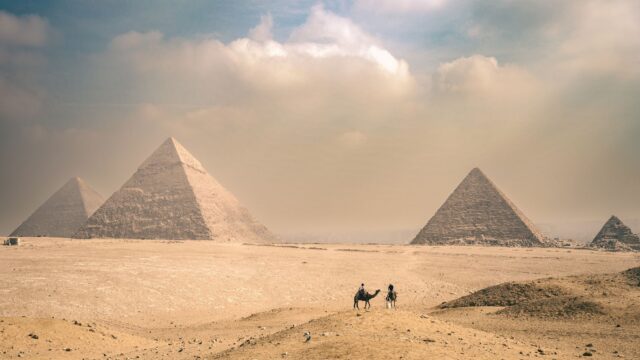
The pillars were moved short distances and set upright in sockets cut into the rock or into floors, then linked by low stone walls. No wheels or draft animals were available. People are the likeliest source of the power, using ropes, wooden levers and ramps, though the exact methods are an informed reconstruction, not a recorded fact. The same question of moving heavy stone with simple means comes up in how the Egyptian pyramids were built, which happened thousands of years later with far larger workforces.
What do the carvings show?
Many pillars carry reliefs of wild animals. Common subjects include foxes, boars, snakes, wild cattle, gazelles and birds such as vultures. Some pillars also show abstract symbols and have carved arms and hands on their sides, which suggests they stand for stylized human figures.
The animals are mostly dangerous or wild species, not the ones people later domesticated. Archaeologists have not agreed on what the images meant. Some read them as symbols of beliefs or clans, and others as records of stories. Without writing, none of these readings can be proved.
Was it a temple?
Many researchers describe Gobekli Tepe as a ritual or ceremonial center, and it is often called the world’s oldest temple. Klaus Schmidt of the German Archaeological Institute, who began excavating the site in the 1990s, argued for that interpretation. The size of the enclosures and the lack of signs of everyday houses in the oldest layers support it.
Other archaeologists point to evidence of food preparation and tools and ask whether people also lived or gathered there for ordinary activities. The word “temple” is a modern label. Whether the builders thought of it as a sacred place is an inference from the architecture and carvings, not a fact that can be confirmed.
Why was it buried?
The enclosures were deliberately filled in with rubble, soil and discarded material at some point in antiquity. New enclosures were sometimes built nearby, and older ones were then covered over. The reasons are unknown. The fill is one reason the carvings survived in such good condition, and it is why the hill looked like an ordinary mound to later farmers and surveyors.
UNESCO added the site to the World Heritage List in 2018. Excavation and study continue, and large parts of the hill have not been dug.
Common questions
Is Gobekli Tepe older than Stonehenge?
Yes. Gobekli Tepe dates to about 9500 BCE, while Stonehenge in England was built several thousand years later. Gobekli Tepe is also older than the pyramids of Egypt by a wide margin.
Did farmers build Gobekli Tepe?
Most evidence says no. The earliest phases belong to hunter-gatherers, before farming was established in the region. Archaeologists have proposed that wild grain was gathered nearby, and the site is a focus of the debate over whether large gatherings came before farming.
Can visitors see it today?
Yes. The site is open to visitors near Sanliurfa, with walkways and a protective roof over the main excavation areas. Opening hours and entry rules are set by Turkish authorities, so check current information before traveling.
Site editor: Nikita Sheikin