Archaeologists Find Thracian Temple in Bulgaria Used Until the 5th Century
A temple at Balak Dere in Bulgaria was used for about two centuries before a fire, and a marble stele shows Cybele with three nymphs.
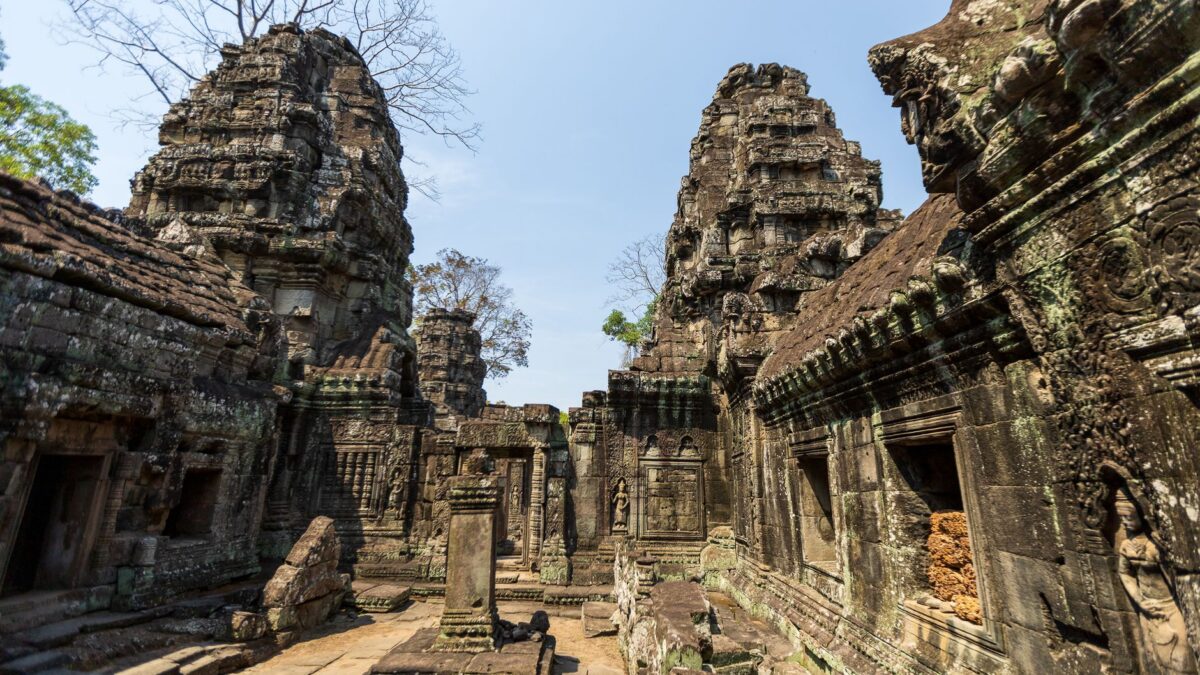
Archaeologists in southern Bulgaria have uncovered a 15-meter pagan temple that was still in use in the 5th century AD, long after Christianity had begun reshaping religion across the Roman Empire. According to HeritageDaily, which cited Bulgaria’s National History Museum, the sanctuary was founded in the 3rd century and served as a religious center in western Thrace for about two centuries.
The site is called Balak Dere. It lies near Ivailovgrad, on the banks of the Arda River. The latest excavation season ended in October 2026 and was directed by Ivailo Kanev, chief curator of the museum.
What the dig found at Balak Dere
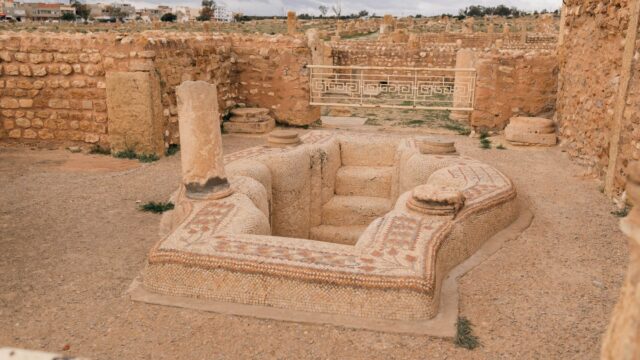
The temple has a trapezoidal plan and runs roughly 15 meters from southeast to northwest. Inside, three connected rooms sit in a line. The largest holds an altar, a second room has a sacrificial altar, and the third was used to store offerings left for the gods. The museum says it is rare to find all of these main elements of a pagan temple together in a 5th-century urban setting.
A marble stele from the dig shows three nymphs standing beside Cybele, the mother goddess. Researchers say the four figures have not been recorded together in one composition before. A water channel runs around the temple, and the river is close by. That combination led the team to ask whether the complex was a nymphaeum, a sanctuary of nymphs and sacred water. For now, that idea is a working hypothesis.
The archaeology shows that the building was burned down around the middle of the 5th century. By then, Emperor Theodosius I had issued laws late in the 4th century that tightened restrictions on traditional pagan worship. The museum links the destruction to this religious upheaval and suggests someone tried to erase the memory of the Thracian gods worshipped there.
How sure is this?
The burning itself is established by the excavation. The cause is not. HeritageDaily reports that the circumstances of the fire, and whether it was directly tied to religious suppression, remain open to interpretation. The report does not say that the findings have been published in a peer-reviewed journal, and the nymphaeum reading is unconfirmed.
The museum has also said Balak Dere could be “the last temple of the Thracian gods.” It describes this as a hypothesis, not an established identification. The researchers’ case rests on the late date, the architecture, the water features and the imagery on the stele.
Earlier work at the site had already pointed to its religious importance. The 2026 excavations strengthened the view that much of the activity in the settlement grew up around the sanctuary. The report does not give the size of the settlement or the number of finds.
Source: HeritageDaily
Site editor: Nikita Sheikin