Northern Taurids Peak Now With Fireballs as Bright as a Full Moon
The Northern Taurid meteor shower peaks Wednesday to Thursday, with fireballs that can rival a full moon. Here is how it works and when to watch.
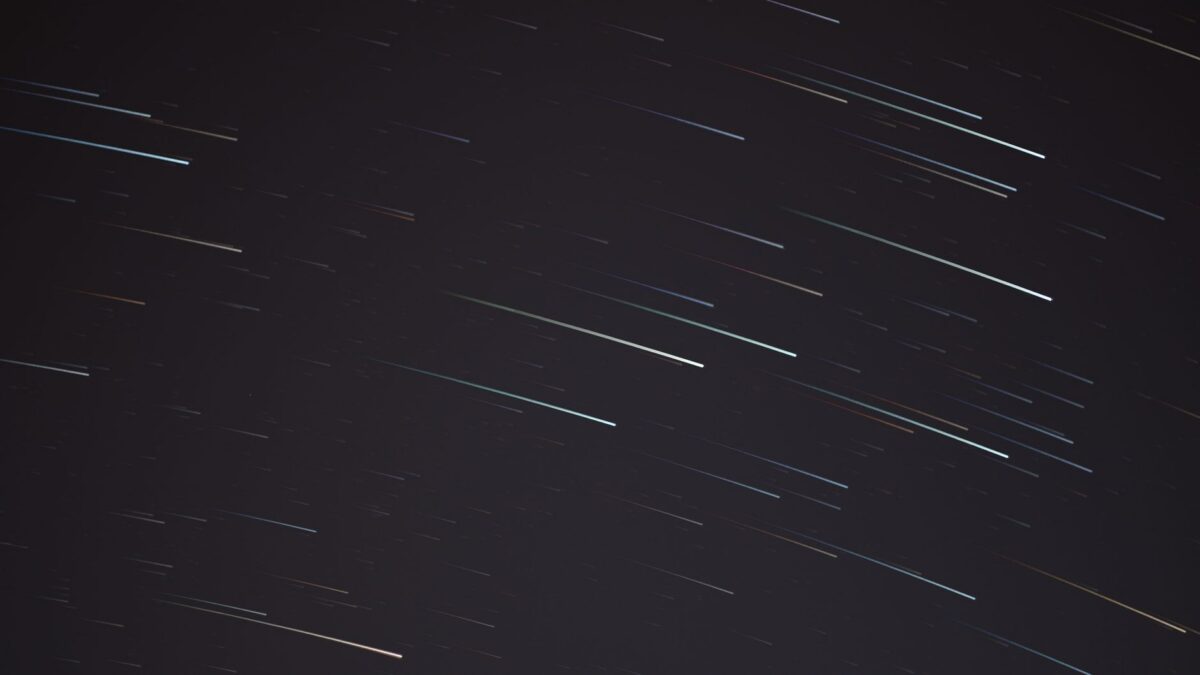
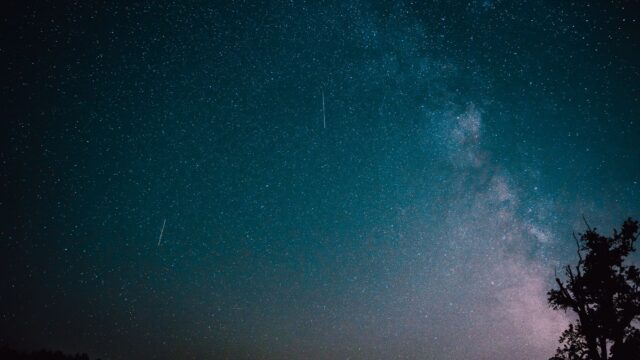
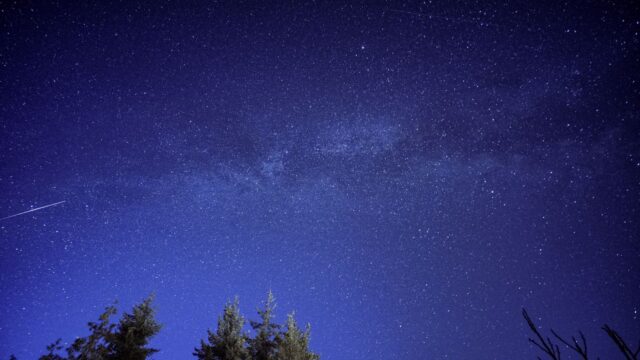
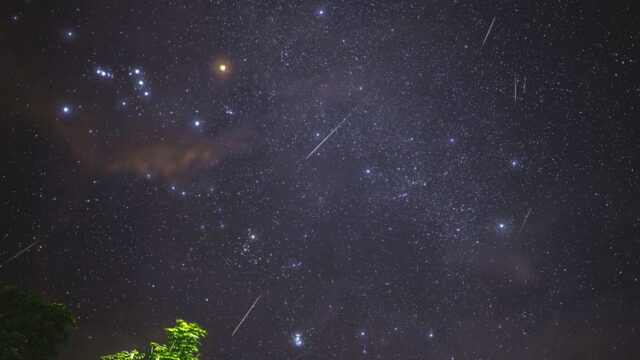
The Northern Taurids meteor shower peaks around Wednesday to Thursday this week, and it can throw up fireballs, meteors that briefly shine as brightly as a full moon. The shower is slow by meteor standards, at about five meteors per hour, but its peak is unusually spread out.
AccuWeather meteorologist Brian Lada described the timing to the Centre Daily Times in Pennsylvania, in a report carried by Yahoo. Any night during the second week of November should offer a decent chance of seeing something, he said.
A peak that lasts about a week
Most meteor showers crest over one or two nights. According to Lada, both branches of the Taurids are different: their peaks are drawn out and last about a week. The Southern Taurids already peaked in early November, and the northern branch is now taking over.
A long peak gives watchers room to pick a night. Lada advised choosing whichever evening has the best weather rather than fixing on a single date.
Why the fireballs stand out
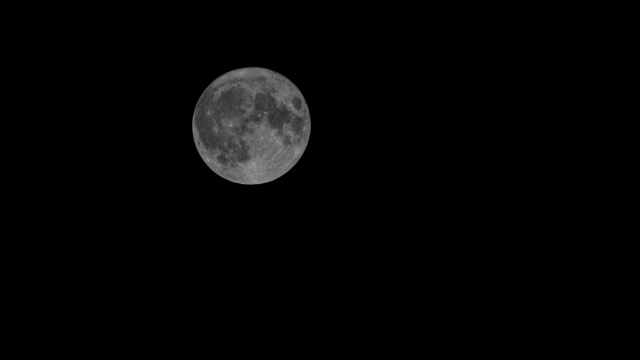
A fireball is a meteor that is far brighter than the usual streak. Lada said the Taurids are known for producing them, and that they can briefly match a full moon in brightness. He cautioned that not every meteor will be one. In his words, fireballs add “intrigue for an otherwise ordinary meteor shower.”
The name comes from the constellation Taurus, the point in the sky where the meteors appear to originate, according to NASA. The meteors can show up anywhere overhead, so there is no need to stare in one direction, Lada said. The shower is active through most of the night.
Moonlight is not a problem this year
Moonlight can wash out faint meteors, but the Northern Taurids peak close to the Nov. 9 new moon. National Geographic reports that the dark sky should leave viewing conditions good. The low rate of about five meteors per hour is the main drawback, Lada noted.
What this means for stargazers
Seeing the shower depends on where you are and what the weather does. The report focused on central Pennsylvania, where the National Weather Service expects clear skies in State College on Tuesday night, followed by patchy fog after 1 a.m. The rest of the week is forecast to be mostly cloudy, with some rain in the evenings. Because the peak stretches over days, a cloudy night does not end the chance of catching a Taurid. Conditions elsewhere will differ, so local forecasts are the best guide.
With a rate of about five per hour, patience matters more than equipment. The meteors can appear in any part of the sky, so a wide view of the dark sky works better than aiming at Taurus.
More sky events ahead
Astronomy.com lists two more full moons in 2026, and both are supermoons:
- Tuesday, Nov. 24: the Beaver moon
- Wednesday, Dec. 23: the Cold moon
The report also points to other meteor showers still to come this year, including the Leonids in November and the Geminids in December. The Central Pennsylvania Observers hold regular stargazing events at the Penn State Arboretum for people who prefer to watch in a group.
Source: YAHOO!