Night Sky
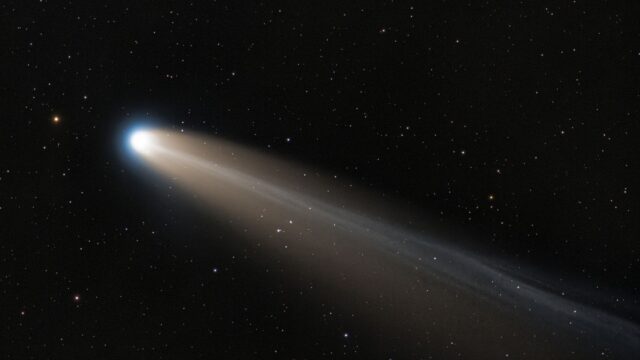
How to See a Comet: Where to Look and Why Forecasts Miss
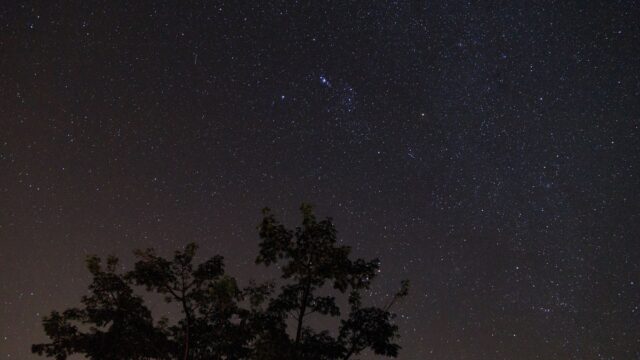
A fuzzy patch with a faint tail is what most comets look like. Here is where to point binoculars, how comet names work and why a promised great comet can fizzle.
Space, Earth and the natural world, explained.
A fuzzy patch with a faint tail is what most comets look like. Here is where to point binoculars, how comet names work and why a promised great comet can fizzle.
The space station is one of the easiest things in orbit to see with your own eyes. All you need is the time of the next pass, a clear sky and a few minutes outside.
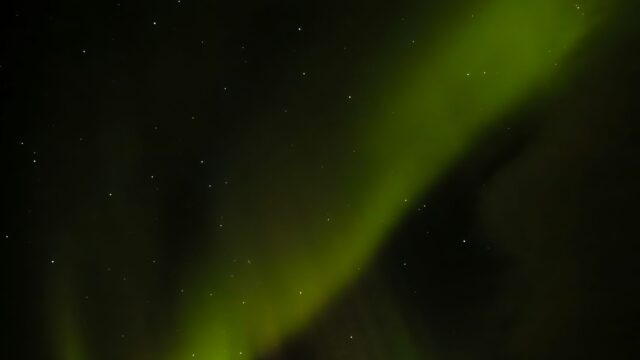
Most nights the aurora stays over Canada and Alaska. A strong geomagnetic storm, a dark field and a clear view north are what bring it into range of the lower 48.
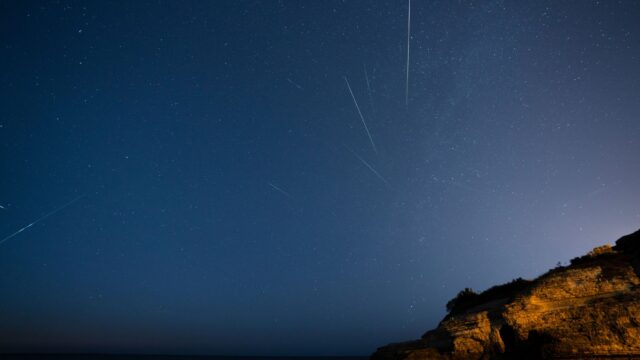
A shower-by-shower guide to the year's major meteor showers, with the next peak dates, realistic hourly counts and how much the Moon will get in the way.
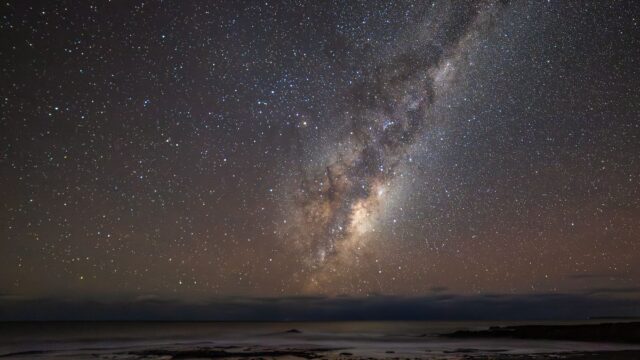
The bright center of our galaxy rises over the southern horizon on summer nights. Here is when to go, how dark the sky must be and how to photograph it with a phone.
We use analytics cookies to see which articles are read. No ads cookies. Privacy policy