SpaceX Catches Starship’s Upper Stage in Midair After 14 Orbits
SpaceX caught Starship's second stage with its launch tower arms for the first time after an orbital test flight. What happened, how it works and what comes next.

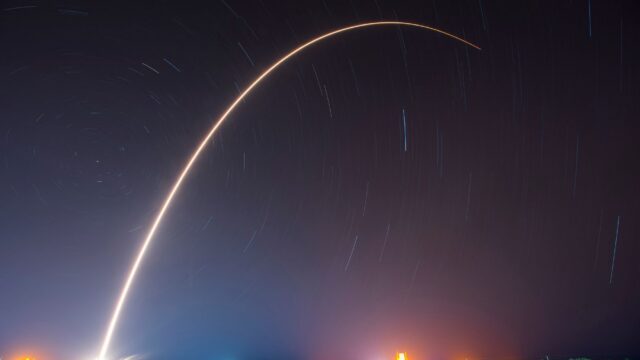
SpaceX caught the second stage of its Starship rocket with a pair of giant mechanical arms on its South Texas launch tower, the first time an orbital spacecraft has been brought back this way, Universe Today reported. The vehicle, known as Ship 42, landed 22.5 hours after it lifted off from the same tower, at the end of a 14-orbit test flight.
The catch removes one of the last big steps toward a rocket that can be flown again and again without rebuilding, which is the goal SpaceX founder Elon Musk set for the program.
How the tower caught a ship coming home from orbit
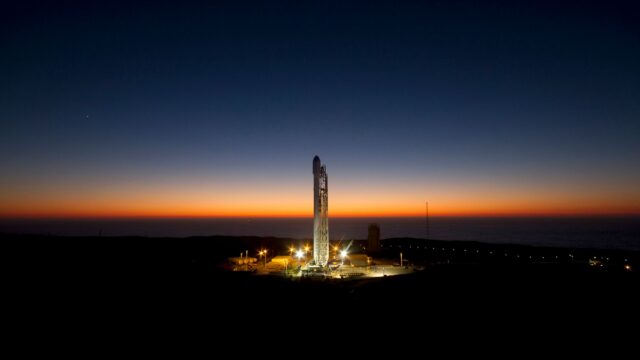
The ship stands 171 feet (52 meters) tall. On the way down it settled between two arms that swing out from the launch tower, a system the company calls “Mechazilla.” SpaceX had used the arms three times before, but only to grab Super Heavy boosters returning from suborbital flights. A second stage falls back from orbit much faster and has to survive the heat of reentry first, so this landing was a harder test.
SpaceX launch commentator Dan Huot called the orbital catch “the Holy Grail of spaceflight” during the company’s webcast. Getting there took years of work, including 15 full-scale flight tests since 2023. This flight was the 15th.
What else happened on the flight
During its first hours in orbit, Starship released 26 next-generation satellites for SpaceX’s Starlink internet network. According to the company, all of them were healthy and had started raising their orbits toward their working altitude.
The flight did not go perfectly. A day earlier, SpaceX had to abandon an attempt to catch the booster with the same arms. The company said the booster was sent elsewhere after its onboard system detected a fuel-system alarm, and engineers are still looking for the root cause. Universe Today also noted that the offshore splashdown was the one part of the mission that did not follow the plan.
Engineers will now go through the flight data. One question they want answered is how well Ship 42’s heatshield held up during reentry, since a ship that will fly again needs a heatshield that survives repeated trips.
Why it matters for the moon and for Starlink
Starship is NASA’s chosen landing system for astronauts returning to the moon, with crewed landings planned for as early as 2028. During NASA’s Artemis III mission next year, Starship and Blue Origin’s Blue Moon lander are scheduled to be tested in low Earth orbit. For background on the rocket and its test program, see our explainer on Starship and its moon role.
A rocket whose stages can be caught and reused should also let SpaceX launch Starlink satellites faster. NASA Administrator Jared Isaacman congratulated the team in a post on X, writing that “It was almost magic.”
What comes next
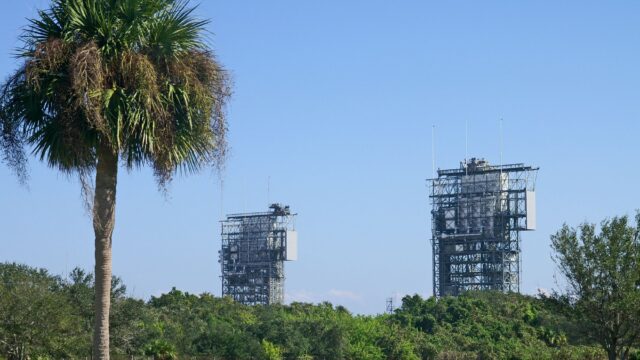
SpaceX plans to catch both boosters and ships with the tower arms as a routine part of each flight. The company is preparing to fly Starship from NASA’s Kennedy Space Center in Florida, and another launch site is planned in Louisiana.
Source: Universe Today