Stacked Mylar Insulation for Moon Bases Survives 10 Crush Tests
Penn engineers stacked hundreds of Mylar sheets into Moon insulation that survived 10 rounds of crushing pressure. How it works and what is unproven.
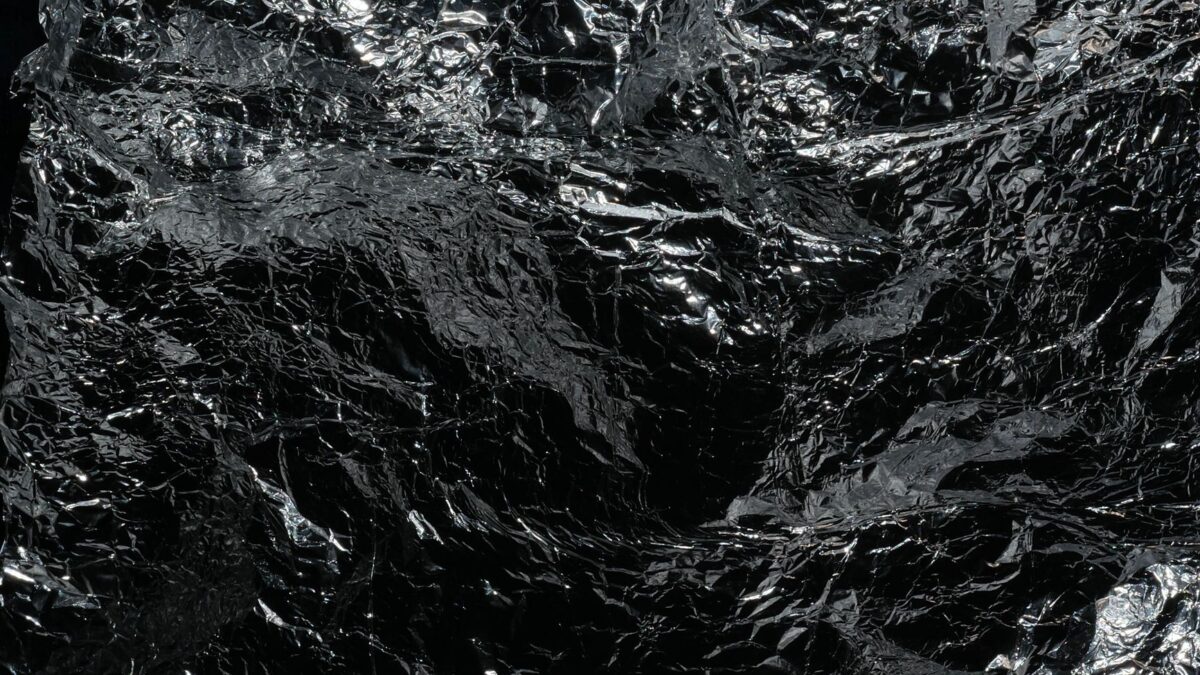
Stacks of hundreds of thin Mylar sheets, the plastic used in emergency blankets, kept insulating after being squeezed 10 times in a row at about 20 megapascals, engineers at the University of Pennsylvania report. That pressure is comparable to 200 pounds of force pressing on an area the size of a fingertip.
The team describes the material in the journal ACS Applied Materials & Interfaces and proposes it for lunar habitats, spacesuits and other gear that has to work for years in a vacuum. So far it exists only as hand-built samples about one square centimeter in size.
How the Mylar stacks are built and tested
Mylar is the trade name for biaxially oriented polyethylene terephthalate, or BoPET. It is already common in aerospace hardware and in food wrap. Coated with aluminum, it reflects infrared radiation, which is why the blankets handed to marathon runners hold in body heat.
The Penn group calls its version hybrid layered insulating film stacks, or HyLIFS. The researchers tried films of different thicknesses and gave some samples a very thin coating of aluminum oxide, also called alumina, to stiffen the sheets. Each film was placed by hand with two pairs of tweezers and small weights. “Even breathing near the stack can send the layers flying,” first author Danielle R. Levin said in the university’s account of the work.
In a vacuum, the best stacks conducted heat about as poorly as other advanced vacuum insulation materials, and they stayed flexible. The team also squeezed the samples in the way a habitat wall would be squeezed, with air pressure inside and vacuum outside. Alumina-coated stacks withstood the highest compressive stress the laboratory equipment could apply and still insulated.
Levin said the group had expected the material to fail under the 20-megapascal load. Instead, she said, the stacks “survived 10 in a row.”
Where the heat leaks through
Commercial plastic films contain tiny “antiblocking” particles that stick up slightly from the surface so that sheets do not cling to each other during manufacturing. The researchers built mathematical models of heat flow between single layers and compared them with their lab measurements. The comparison indicates that in a vacuum, much of the heat passing from one sheet to the next travels through the contact points these particles create.
The same effect may explain a result the team did not expect. Thinner films allow more layers in the same space, so the researchers assumed they would insulate better. With an alumina coating, though, the thinnest films they managed to measure performed about the same as medium-thickness films. The researchers suspect that in thinner sheets the particles make more contact between neighboring layers, which gives heat extra paths and cancels the gain from added layers. Levin said the contacts also change as the stack is compressed and the films deform.
Why it matters for building on the Moon
Temperatures on the Moon swing from hundreds of degrees below zero to boiling hot, and insulation there also has to survive packing, launch, installation and years of bumps from astronauts. Existing options tend to do well on only part of that list. Aerogels, used on NASA’s Mars rovers, are mostly empty space and can be damaged by impacts and compression. Multilayer insulation, the reflective sheeting common on spacecraft, blocks radiated heat well but is not meant to carry much weight and can tear from routine contact.
Senior author Igor Bargatin, an associate professor of mechanical engineering and applied mechanics at Penn, said lunar infrastructure needs a material that resists both damage and heat loss. The antiblocking finding also gives engineers something to adjust: the size, number and placement of the particles could be chosen on purpose to cut heat transfer.
What is still unproven
Making each sample takes hours of cutting and manual stacking, which would not work for sheets large enough to cover a habitat. The researchers say one route is to coat large rolls of Mylar continuously, a method that could eventually yield sheets measured in meters, and to set the film thickness, coatings and particle distribution before stacking.
Nobody has yet shown that large versions keep the thermal and mechanical properties measured on the small laboratory samples. The team lists that as a question it still has to answer.
Source: ScienceDaily