Survey of Two Remote Marshall Islands Atolls Logs 132 Turtle Nests
A 2023 expedition to Bikar and Bokak atolls counted 132 green sea turtle nest pits and 15 seabird colonies, plus fish new to the Marshall Islands.
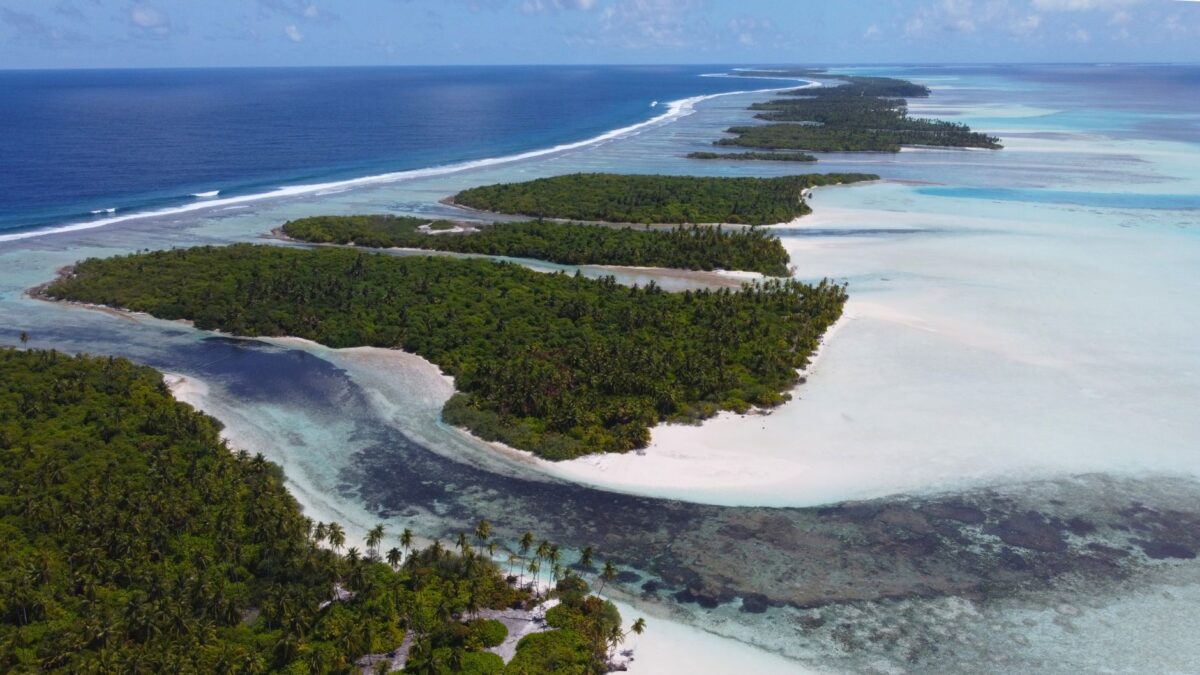
Researchers who surveyed Bikar and Bokak, two uninhabited atolls in the northern Marshall Islands, counted 132 green sea turtle nest pits and 15 seabird colonies with confirmed or probable breeding. They also found fourteen groups of fish that had never been logged in the country, according to a Yahoo report on a study published Nov. 11, 2026. The report lists the Republic of the Marshall Islands, the journal Frontiers and Radio Free Asia as its sources.
The fieldwork dates to 2023 and was led by National Geographic’s Pristine Seas program with the Marshall Islands Marine Resources Authority and local partners.
How the team surveyed land, reef and deep water
The expedition covered everything from island vegetation to habitats far below the reach of recreational divers. Bikar sits about 116 km from the nearest inhabited atoll and Bokak about 385 km, so direct human pressure on both has been low. The report adds that this is not the same as being free of human influence.
Divers counted reef fish. Underwater video and baited remote cameras filmed marine life, while deep-sea cameras and a research submersible examined the deeper habitats. The team also documented native plants and seabird colonies. Looking at these habitats together gives scientists a fuller picture than a reef-only survey and a baseline for comparing future change.
What they recorded
The tally includes at least 266 groups of reef fish, 138 groups of fish from deeper habitats and 79 groups of fish from the deep sea. Open-ocean predators, among them sharks, jacks and wahoo, made up 15 more groups.
The two atolls differ. Bokak had a larger reef fish biomass (the combined weight of the fish), more sharks and more reef dominated by coral. Bikar had more macroalgae (large seaweeds) and was an important nesting beach for green sea turtles, where the 132 nest pits were found. The survey also noted mature native forest and complex deeper reef habitats.
What this means for conservation
The atolls already have legal protection. On Jan. 28, 2025, the Marshall Islands created its first national marine sanctuary around Bikar and Bokak. It spans about 48,000 square kilometers (18,500 square miles) and prohibits fishing. Management follows the Reimaanlok Conservation Framework, a community-led process for the sustainable use of coastal and marine resources.
According to the report, the findings suggest shallow and deep habitats may need different conservation approaches, a difference a shallow-reef survey could overlook.
Limits of a single expedition
The report cautions that the survey cannot establish that the atolls are pristine, and one trip cannot predict how they will change. It captures conditions at the time of the visit. Continued monitoring is needed to follow the atolls over time and to judge the effects of climate change.
Source: Yahoo