Tree Rings and Ice Cores Date the Fall of Babylon to Around 1587 B.C.
Tree rings, ice cores and Babylonian Venus records put the fall of Babylon around 1587 B.C. and link a Hittite-era drought to 1194-1192 B.C.
Babylon fell around 1587 B.C., according to a new timeline for ancient Mesopotamia built from tree rings, polar ice cores and old observations of the planet Venus. The team, led by Charlotte Pearson of the University of Arizona, also links a severe drought between 1194 and 1192 B.C. to the period when the Hittite Empire collapsed, Archaeology Magazine reported, citing Phys.org.
Dates in Mesopotamian history have long been hard to pin down, because ancient records count years by kings and calendars that do not line up neatly with our own. Anchoring them to physical evidence gives historians fixed points to work from.
Counting years in ancient timber
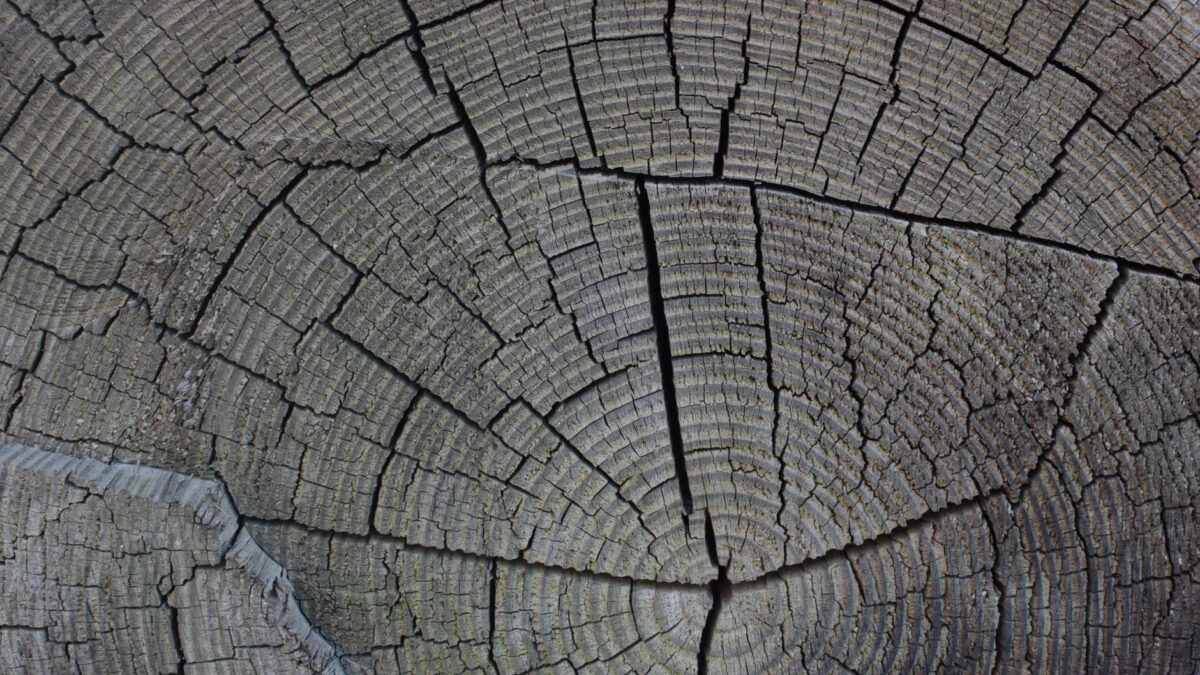
The researchers started with wood. They radiocarbon dated individual tree rings from timbers dug up at archaeological sites in Turkey and studied the ring patterns in the same beams. Radiocarbon dating measures the decay of a form of carbon that trees take up while they grow. Because each ring is one year of growth, measuring single rings lets scientists work out the year a tree was cut down.
Felling dates tell archaeologists roughly when a building went up, since builders tended to use fresh timber. The team then matched those construction dates to written records found at the same sites. Those records refer to particular years in the Assyrian calendar, so the wood gave each of those calendar years a place on the modern timeline.
Venus, haze and a volcano in Alaska
The second line of evidence came from the sky. Babylonian astronomers kept records of Venus, and some entries note that the planet was difficult to see because the air was hazy. Large volcanic eruptions can throw fine particles high into the atmosphere and leave that kind of haze for months.
Eruptions also leave traces in the ice sheets near the poles, where layers of snow build up year by year. The team compared the hazy Venus observations with eruption signals preserved in polar ice cores. The best match was an eruption of the Aniakchak volcano in Alaska around 1628 B.C.
Putting the tree rings, the Assyrian records and the volcanic match together, the researchers placed the fall of Babylon around 1587 B.C. and identified the drought of 1194 to 1192 B.C. as a possible factor in the end of the Hittite Empire.
What this means for ancient history
The work offers a way to tie written history to natural records that can be dated independently. The researchers wrote that single-year radiocarbon measurements from tree rings with known calendar dates create “new opportunities to refine and improve chronologies.”
Several parts of the result are framed with care. The team suggests a date for Babylon’s fall rather than claiming an exact year, and it describes the drought as something that may have contributed to the Hittite collapse, not as its proven cause. The Aniakchak link rests on the strongest match among candidate eruptions. The report does not name the journal where the study appeared or include comments from outside researchers.
The method depends on wood from a limited set of sites in Turkey and on how reliably ancient records can be tied to specific buildings. Other teams will be able to test the timeline as more timbers are dated year by year.
Source: Archaeology Magazine