Viking Sword and Rare Brooches Found on Isle of Man May Mark Earliest Female Grave
Grave goods from around AD 900, including a silver-inlaid sword and oval brooches, may hold the Isle of Man's earliest known female Viking burial.
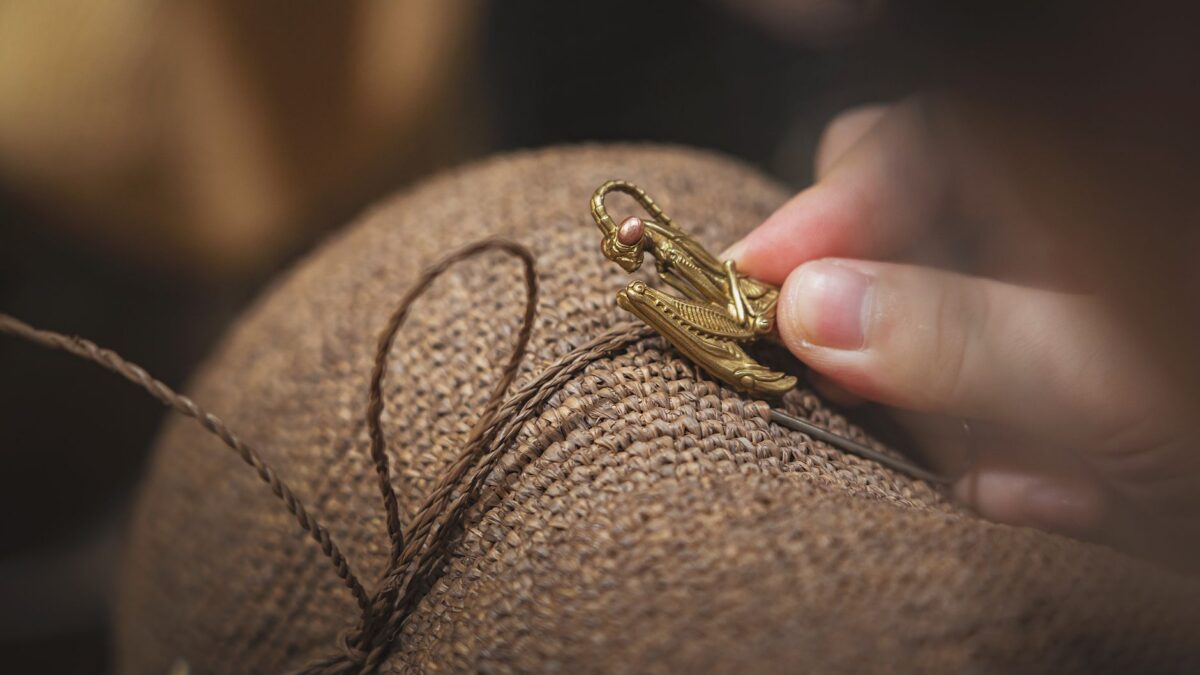
A metal detectorist on the Isle of Man has found a set of Viking Age grave goods from around AD 900, including a decorated sword, two oval bronze brooches and equipment for weighing silver. Manx National Heritage says the brooches may come from the earliest known female Viking Age grave on the island.
Daniel Crowe made the discovery, and the Isle of Man Coroner for Inquests has now formally declared the objects Treasure. The finds include three bronze brooches, a sword, decorated trading weights, pieces of balance scales, a bronze ladle and an axehead.
Brooches that may predate the island’s other female burial
Two of the brooches are oval and covered in interlocking animal designs typical of Viking art. Oval brooches were usually part of women’s dress, and only one other pair has been found on the Isle of Man. The new pair could be about 50 years older than that one.
“The brooches are especially important because they appear to represent our earliest known female Viking Age burial,” said Allison Fox, curator for archaeology at Manx National Heritage.
The third brooch was once gilded and has spiral patterns around a glass center. It is the first of its type recorded on the island.
A broken sword with hidden silver
The sword is the thirteenth Viking sword found on the Isle of Man. About two-thirds of it survives, including parts of the hilt with fine silver inlay. X-ray images showed twisted silver wire hidden under layers of compacted material. Only two other Viking swords from the island have similar decoration.
The blade was broken, probably on purpose as part of the burial ritual, though some damage happened after it went into the ground.
One grave or two?
Women’s jewelry and a sword, which archaeologists usually link to male burials, raise the possibility that a man and a woman were buried together. The site was disturbed at some point during the past thousand years, however, so researchers cannot rule out that the objects came from separate graves of the same period.
Tools for trading in silver
Decorated lead weights and fragments of bronze balance scales were used to weigh precious metals and coins during trades. Manx National Heritage says the decorated weights are the first of their kind found on the island. One weight carries a bronze fitting in a style from Britain and Ireland, which may once have belonged to a small chest or a religious object before it was reused.
The bronze ladle, perhaps used at feasts or ceremonies, is also a type of object never recorded on the island before.
Why it matters for Viking history
The finds date to the early period of Scandinavian settlement on the Isle of Man. Jewelry, weapons and trading gear in one group give researchers a way to study how these early settlers buried their dead and which places they were connected to.
Left dirty on purpose
Crowe did not clean the objects, which kept archaeological material on their surfaces intact for specialists. Fellow detectorist Rhett Britton helped with the search and found the axehead, part of the scales and more iron objects. Before conservation, the Radiology Team at Manx Care scanned the artifacts so researchers could see details under soil and corrosion, including the sword’s decoration.
Some of the objects went on display in the Viking Gallery at the Manx Museum from Nov. 11, 2026. Further conservation and analysis may reveal more about the people buried with them.
Source: HeritageDaily