Coldest Temperature Ever Recorded on Earth and in the US: -128.6°F
The coldest temperature ever recorded on Earth is -128.6°F (-89.2°C) at Vostok, Antarctica, in 1983. The US record is -80°F, set in Alaska in 1971.
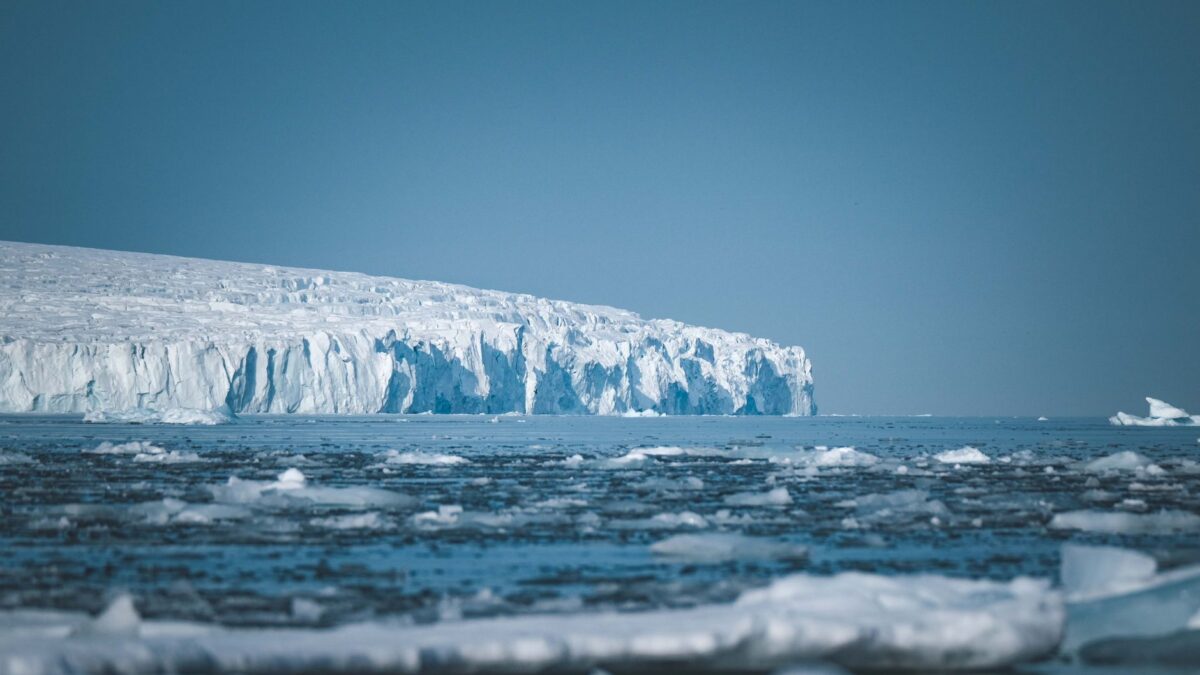
The coldest temperature ever officially recorded on Earth is -128.6°F (-89.2°C), measured at Russia’s Vostok Station in Antarctica on July 21, 1983. The coldest official reading in the United States is -80°F (-62°C) at Prospect Creek, Alaska, on January 23, 1971, and the lower 48 states hold a record of -70°F (-57°C), set at Rogers Pass, Montana, on January 20, 1954.
The World Meteorological Organization keeps the global list of extremes, and its World Weather and Climate Extremes Archive is hosted by Arizona State University. In the US, state records are reviewed by NOAA’s National Centers for Environmental Information.
Where was the coldest temperature on Earth recorded?
Vostok Station sits on the high ice sheet of East Antarctica, about 11,400 feet (3,500 meters) above sea level and far from any ocean. Soviet scientists set up the station in 1957, and its thermometers have run through decades of polar winters. The 1983 reading came in July, the middle of the southern winter, when the sun stays below the horizon for weeks.
Several conditions came together at Vostok. The air is thin and very dry, so almost no water vapor traps heat near the ground. Clear, calm nights let the snow surface radiate heat straight out to space. The station is also deep inside the continent, where warmer air from the Southern Ocean rarely reaches.
Have satellites measured anything colder?
Yes. Satellite surveys of the East Antarctic plateau have found small hollows in the ice where the snow surface cools to around -144°F (-98°C) on clear winter nights. Cold, dense air pools in these shallow dips and sits there for hours.
These readings do not count as official records. A weather record is an air temperature taken by a thermometer about 6.5 feet (2 meters) above the ground, in a standard shelter. The satellite figures describe the temperature of the snow surface itself, which runs colder than the air above it. The air at those spots is probably close to the Vostok record, but no station sits there to measure it.
What is the coldest temperature recorded in the United States?
Prospect Creek, an old pipeline camp north of the Arctic Circle in Alaska, reached -80°F (-62°C) in January 1971. The site lies in a valley, and valleys in interior Alaska trap cold air that drains down from the surrounding hills on still nights.
For the contiguous US, the record belongs to Rogers Pass, Montana, at -70°F (-57°C) in January 1954. Other states with very low official records include North Dakota, Utah and Wyoming, all with readings in the -60s °F. Most US state records were set in the first half of the 20th century or earlier, during strong Arctic outbreaks.
What is the coldest place in the Northern Hemisphere?
The Northern Hemisphere record is -93.3°F (-69.6°C), measured at Klinck, an automatic weather station high on the Greenland ice sheet, on December 22, 1991. The WMO confirmed it in 2020 after researchers recovered and checked the old data.
Before that, the record belonged to two towns in Siberia. Verkhoyansk and Oymyakon both reported about -90°F (-68°C), in 1892 and 1933. Oymyakon is often called the coldest permanently inhabited place on Earth, with a few hundred residents living through winters where daily lows below -40°F are routine.
Why is Antarctica so much colder than the Arctic?
Antarctica is a high continent covered by ice up to 2 miles (over 3 kilometers) thick, while the Arctic is mostly a frozen ocean. Height matters because air cools as it rises, so the Antarctic plateau starts out cold before winter even begins. The ocean under Arctic sea ice keeps releasing some heat, which takes the edge off the deepest cold.
Antarctica is also cut off by a ring of strong westerly winds that circle the continent and block warm air from the north. In the Arctic, warm air from lower latitudes moves in more often, especially when the stratospheric polar vortex weakens or breaks down and sends cold air south instead.
How cold is dangerous for people?
Exposed skin can get frostbite in about 30 minutes when the wind chill reaches -18°F (-28°C), and in 10 minutes or less once it falls to around -35°F (-37°C). Wind speeds up heat loss, so a still -20°F day can feel less harsh than a windy 0°F day. Hypothermia can set in at much milder temperatures if clothing is wet.
The National Weather Service cold safety page lists warning signs. Frostbite shows up as numb, white or grayish skin, usually on fingers, toes, ears and the nose. Shivering, confusion, slurred speech and drowsiness point to hypothermia, which needs emergency medical care.
- Cover all skin, including the face, when wind chill warnings are in effect.
- Wear loose layers with a windproof outer shell, and change out of damp clothing quickly.
- Keep car trips short and carry blankets, water and a charged phone.
- Check on older neighbors, who lose body heat faster and may not notice it.
Quick answers
At what temperature are Fahrenheit and Celsius the same?
The two scales meet at -40 degrees. Below that point, Fahrenheit numbers are lower than Celsius numbers, which is why the Vostok record looks more extreme in °F.
Can it snow at the coldest temperatures?
Very cold air holds little moisture, so heavy snow is rare in extreme cold. Fine ice crystals called diamond dust can fall from clear skies instead. Snow forms most easily near freezing, as explained in this guide to how cold it has to be to snow.
Are cold records still being broken?
New all-time cold records are rare now, while heat records are set far more often. Global temperatures keep rising, and Berkeley Earth expects 2026 to be the hottest year on record. Strong local cold snaps still happen, and some still break daily or monthly records.
What is the lowest temperature possible?
Absolute zero, -459.67°F (-273.15°C), is the lowest temperature physics allows. Nothing on Earth’s surface comes close, but laboratories have cooled atoms to within a tiny fraction of a degree above it.
Site editor: Nikita Sheikin