What Is Graupel? How This Snow Differs From Hail and Sleet
Graupel is a soft, white pellet of snow coated in frozen droplets, usually under 0.2 inch (5 mm). Learn how it forms and how to tell it from hail.
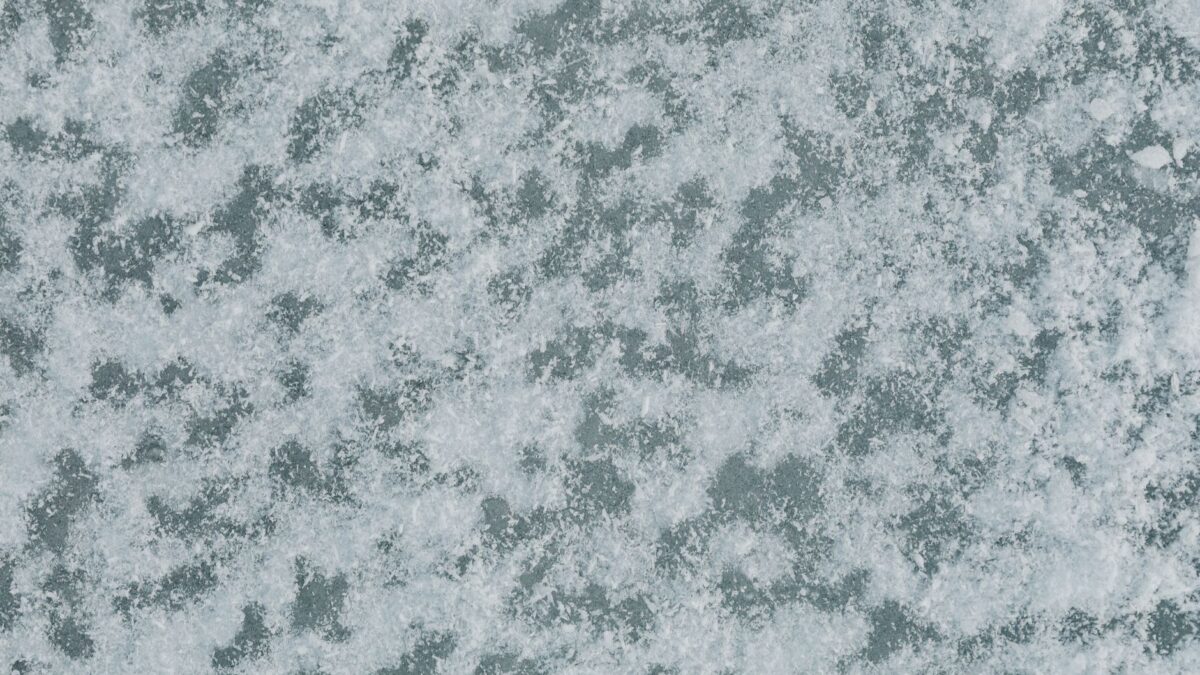
Graupel is a soft, white, crumbly pellet of snow that forms when supercooled water droplets freeze onto a falling snowflake. Most graupel pellets measure roughly 0.08 to 0.2 inch (2 to 5 millimeters) across, which is the size of a small bead. It looks like tiny hail, but it is made of rimed snow and breaks apart easily between your fingers.
How does graupel form?
A snowflake falling through a cloud can meet supercooled droplets, which are liquid water drops colder than 32°F (0°C) that have not frozen yet. When a droplet touches the flake, it freezes on contact. Meteorologists call this process riming. Repeat it enough times and the delicate arms of the flake disappear under a coat of tiny ice beads, leaving a rounded lump.
The result is full of air gaps, which is why graupel is opaque, white and soft. It falls most often from showery clouds in cold air, such as a passing front or a winter squall, where supercooled water is plentiful.
What does graupel look like and feel like?
Graupel pellets are round or slightly cone-shaped, dull white and not see-through. Dropped on a hard surface, they bounce a little and often shatter. In your hand they feel like crushed polystyrene foam, light and dry at first, and then they melt quickly.
Many people call it soft hail, snow pellets or, because it resembles the starchy beads used in desserts, tapioca snow. All of these names refer to the same thing.
How is graupel different from hail?
Hail is solid ice, usually clear or layered like an onion, and it falls from thunderstorms with strong updrafts. A hailstone is at least about 0.2 inch (5 millimeters) across by the standard definition, and large stones can damage cars, roofs and crops. Graupel is smaller, softer and made of snow rather than clear ice. A pellet that squashes when you press it is graupel. One that is hard, glassy and does not break is hail.
- Graupel: opaque white, soft, usually under 0.2 inch (5 mm), forms in cold showery cloud.
- Hail: hard, clear or layered ice, at least 0.2 inch (5 mm), forms in thunderstorm updrafts.
How is graupel different from sleet and snow?
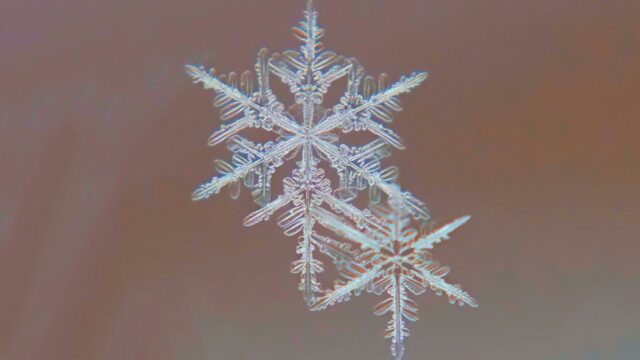
Sleet is a raindrop that froze on the way down, so it is a small, hard, clear ice pellet. In the UK the word sleet usually means a mix of rain and melting snow, which is a different thing again. Ordinary snow reaches the ground as individual crystals or clumps of crystals with visible branches. Graupel has no visible branches because the rime covers them.
The easiest check is texture. Snow is fluffy, sleet is hard and clear, hail is hard and layered, and graupel is soft, white and crumbly.
When does graupel fall?
Graupel shows up when air temperatures are near freezing and the cloud holds supercooled water. That makes late autumn, winter and early spring the usual seasons in temperate regions. It often arrives in short bursts during a snow shower or a brief cold-front squall, then gives way to ordinary snow or rain. Mountains see it frequently, since air lifted up slopes cools and makes more supercooled droplets.
Graupel can also fall during winter thunderstorms. This is one reason forecasters and observers sometimes disagree about what to call a pellet that falls with lightning nearby.
Does graupel matter for safety or travel?
A thin layer of graupel makes roads and paths slippery. The round pellets act a bit like tiny ball bearings under shoes and tires, so walking and driving take extra care. A layer of graupel buried in a mountain snowpack can also bond poorly with the snow on top, which is a recognized concern in avalanche forecasting. In the backcountry, check the local avalanche center forecast before heading out.
For the latest watches and warnings in the US, see the National Weather Service. For examples of how winter systems play out, read about a NASA satellite view of the Sierra Nevada after heavy snow, the Met Office snow warning in the UK, and the record for the most snow in one day in the US.
How can you identify graupel at home?
- Look at the color. Graupel is chalky white, while hail is usually clear or has bands.
- Pinch a pellet. Graupel crumbles. Hail does not.
- Check the weather. Hail needs a thunderstorm with a strong updraft. Graupel comes with cold showers.
- Note the size. Anything smaller than a pea is more likely graupel.
Common questions
Is graupel the same as hail?
No. Graupel is soft rimed snow, usually smaller than 0.2 inch (5 mm), while hail is hard ice and larger. Some people call graupel soft hail, which adds to the confusion.
Can graupel hurt you or damage a car?
Graupel is soft and light, so it will not dent a car or injure a person. Its main effect is a slippery surface on roads and walkways.
Why does graupel look like polystyrene foam?
Each pellet is a snowflake wrapped in many frozen droplets, and trapped air between them keeps it opaque and light, much like foam beads.
Site editor: Nikita Sheikin