NOAA Forecasts Kp 5 Aurora Chance for Up to 10 US States
NOAA forecasts a Kp 5 aurora chance on Thanksgiving for the northern U.S., with activity expected to fade by Friday night. Here is where and when to look.
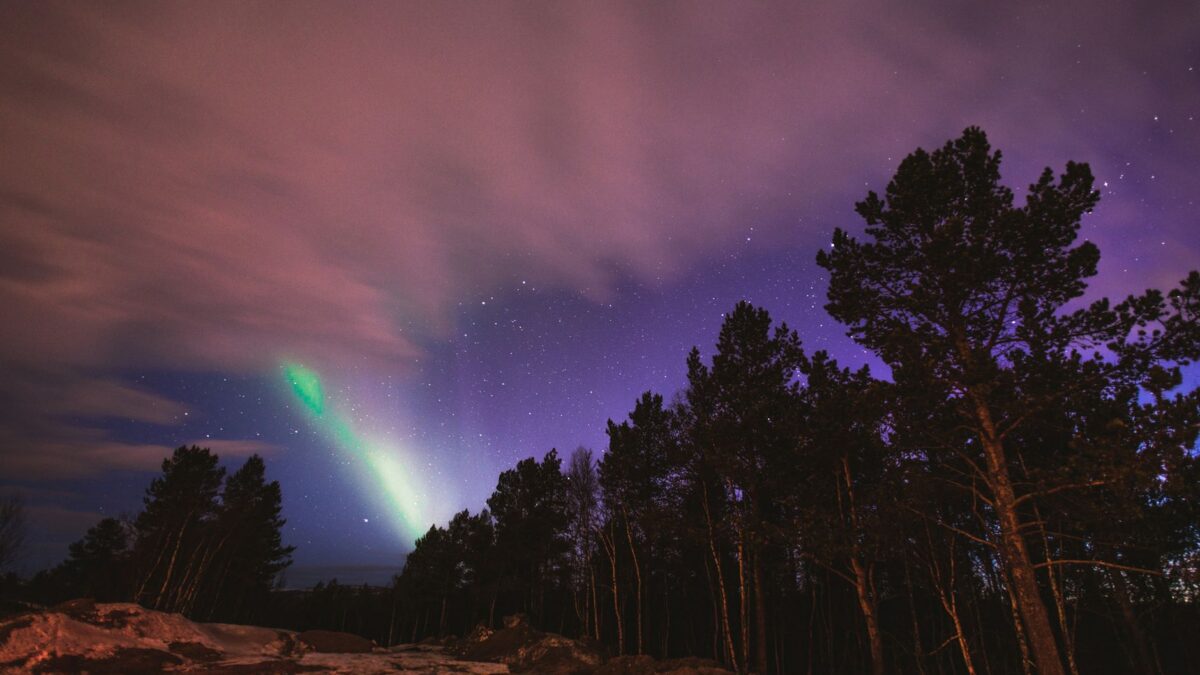
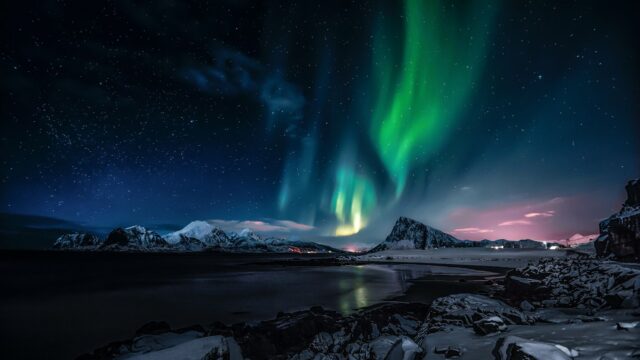
The National Oceanic and Atmospheric Administration (NOAA) has issued a Kp index forecast of five for Thursday, Thanksgiving, which gives northern parts of up to 10 U.S. states a small chance of seeing the aurora borealis, according to a Forbes report carried by Yahoo.
The Kp index is a scale of geomagnetic activity, the disturbance of Earth’s magnetic field caused by the sun. NOAA says a level of five means the northern lights may be “quite pleasing” for people in the right places. Minor geomagnetic storm conditions, which can strengthen auroral displays, are in the forecast.
Where the aurora may reach
The likelihood is low outside Alaska. The areas named are northern Washington, the northern tip of Idaho, northern Montana, the northern edge of Wyoming, North Dakota, the northern border of South Dakota, northern Minnesota, northern Wisconsin, northern Illinois, Michigan’s Upper Peninsula and the northern tip of Michigan’s Lower Peninsula.
Alaska is expected to have the best viewing, and visibility there is forecast to improve the farther inland an observer is. For readers new to the scale, a separate guide explains how to read the aurora forecast and the Kp index.
What the forecast is based on
The outlook comes from NOAA’s space weather forecasts, which are predictions rather than observations. Forecast conditions may not match what actually happens, and sky visibility depends on location and weather. NOAA also publishes an Aurora Dashboard for checking current conditions.
The report says viewing should drop sharply by Friday night if the forecast holds. The Kp index is expected to fall to three, with auroral activity retreating farther north.
Viewing and photography tips from the report
The report says observers can improve their chances by choosing high vantage points with little or no light pollution. It gives 10 p.m. to 2 a.m. as the best window. Local time was not specified.
For photos, the report suggests wide-angle lenses and low apertures on traditional cameras. On smartphones it advises skipping the flash and using night mode. More background on seeing the northern lights from the Lower 48 is available on this site.
How sure is this?
This is a forecast, and the source describes the chance of aurora outside Alaska as low. The report does not give exact probabilities, timing in UTC or the strength of the expected geomagnetic storm beyond calling it minor. The Kp value of five applies to Thursday, and the Friday figure of three is conditional on the forecast holding.
Background: an active sun
According to the report, the northern lights have stayed somewhat active in 2026. Two years earlier, auroral activity reached a 500-year high as the sun hit the peak of its 11-year cycle. Auroras form when charged particles from the sun collide with gases in Earth’s atmosphere. Depending on where and how those particles interact, the light can look green, blue or red.
Readers should check NOAA’s current forecasts and local weather before heading out.
Source: Yahoo
Site editor: Nikita Sheikin