How Long Do Animals Live in the Wild vs in Zoos? Examples
Most animals live longer in zoos than in the wild, but elephants and a few others are exceptions. See why, with typical lifespans for common species.
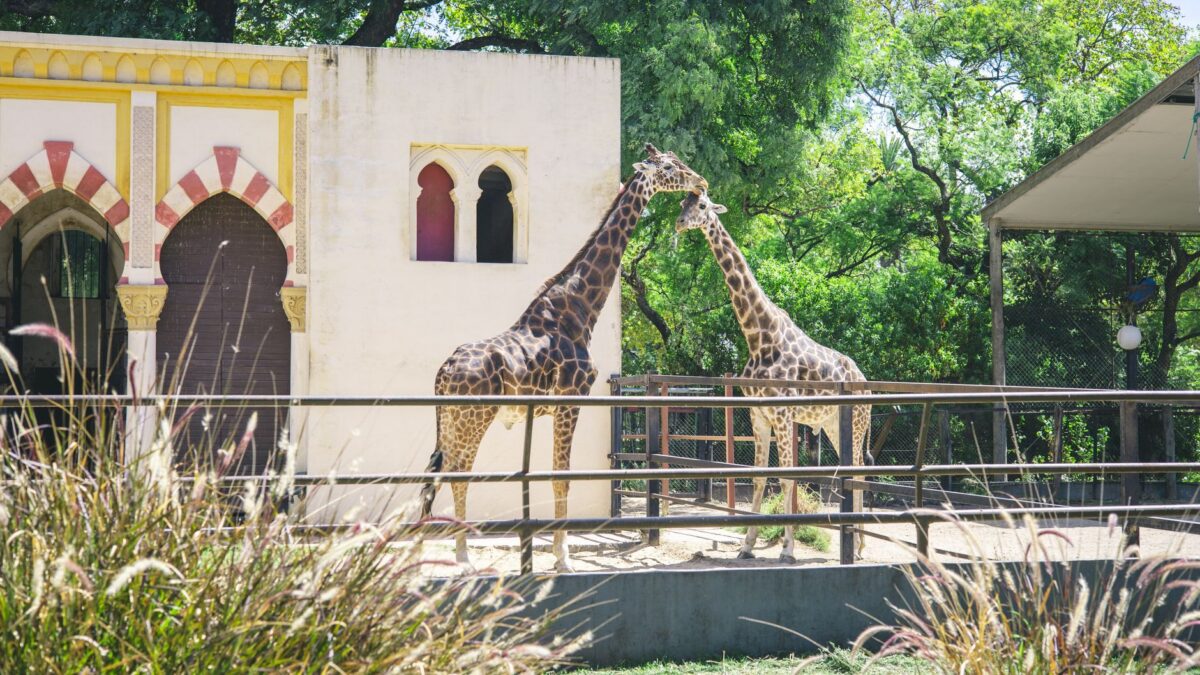
Most animals that live in good zoos outlive their wild relatives, often by several years, because zoos remove predators, starvation and most disease. A few groups break this pattern. Elephants, some marine mammals and some carnivores have shown shorter lives or poorer health in captivity in published research.
The gap depends on the species, the quality of the facility and how “lifespan” is counted. The sections below answer the questions readers ask most.
Why do many zoo animals live longer?
In the wild, most deaths happen early and have outside causes: predators, hunger, drought, parasites, injuries and fights over territory. A zoo animal gets regular meals, clean water, veterinary checks, vaccinations where they exist, and shelter from heat, cold and storms.
Because of this, a zoo animal is far more likely to reach old age, which is the part of life that wild populations rarely record. Zoo records also let keepers track individual animals from birth to death, so exceptional ages are documented.
What are typical lifespans for common species?
Figures vary by source, region and study, so the numbers below are rough ranges rather than fixed values.
- Lions: roughly 10 to 15 years in the wild, and often close to 20 or more in zoos.
- Gorillas: about 35 to 40 years in the wild, with zoo animals commonly passing 40 and some reaching their 50s.
- Giraffes: around 20 to 25 years in the wild, with zoo animals living into their mid 20s or longer.
- Cheetahs: about 10 to 12 years in the wild, longer in the best-run breeding programs.
- African elephants: commonly 60 years or more in protected wild populations.
Small animals show the same trend on a smaller scale. A mouse that lives a few months in a field can reach two or three years in a lab or a cage.
Which animals do worse in captivity?
Elephants are the best-known case. Several peer-reviewed analyses of zoo records have found shorter median lifespans for zoo elephants than for elephants in protected wild populations or managed working populations. Researchers have pointed to obesity, limited space, little exercise and social stress as possible reasons.
Orcas and some other cetaceans, polar bears and some large, wide-ranging carnivores are also frequent subjects of this debate. Animals that travel long distances, dive deep or live in large, complex social groups are the ones most likely to struggle in a fixed enclosure.
Welfare research has moved toward larger, more varied enclosures for these species, but results differ between facilities. A single average for “zoos” hides large differences between a modern, well-funded habitat and a cramped, outdated one.
Why is it hard to compare wild and zoo lifespans?
Wild lifespans are difficult to measure. Researchers rarely follow an individual from birth to death, so many figures come from a handful of well-studied populations, from tagged animals or from estimates based on teeth and other body markers.
Averages and maximums also answer different questions. Average lifespan includes every animal that dies young, including those taken by predators in their first year. Maximum lifespan is the oldest recorded individual. A species can have a short wild average and a long maximum, and zoos mostly lift the average.
The same problem applies to extinct animals. Scientists estimate how long dinosaurs lived from growth lines in fossil bones, a method relevant to finds such as the sauropod fossils from Hong Kong. These are estimates with wide margins, not records.
Do all small animals follow the same pattern?
Not always, and for many species nobody knows. Very small and newly described animals, such as a tiny fish seen only once in the Red Sea, have no recorded lifespan in the wild or in captivity. For most invertebrates and small fish, reliable data is thin.
In general, short-lived species such as insects, small rodents and many fish live only a little longer in captivity. Long-lived animals such as tortoises, parrots and great apes show the largest gains in well-kept collections, since they are the ones most likely to die of age-related illness rather than of an outside cause.
How can you tell whether a zoo or sanctuary is run well?
Look for enclosures that let animals hide, climb, dig or swim as their species would, plus signs of enrichment such as puzzle feeders and varied terrain. Check whether the facility holds accreditation from a recognized body and whether animals are kept in suitable social groups. In the United States, the Animal Welfare Act sets minimum standards for licensed exhibitors, and the U.S. Fish and Wildlife Service oversees rules on protected species.
If you see an animal pacing, swaying or chewing bars repeatedly, those behaviors are widely read as signs of stress. Report concerns to the facility first, and to the licensing authority if they are not addressed.
Common questions
Do wild animals live longer than zoo animals?
For most species, no. Zoo animals usually live longer on average because they avoid predators, famine and untreated disease. Elephants and some other wide-ranging species are exceptions.
What is the oldest animal ever recorded in a zoo?
Records vary by species, and some of the oldest documented individuals are tortoises, which can live well beyond a century. Verified ages depend on how well birth dates were recorded.
Does a longer life mean a better life?
Not by itself. Lifespan is one measure of welfare, alongside health, behavior and the ability to move and socialize naturally. Researchers usually look at several measures together.
Site editor: Nikita Sheikin