Osteoporosis Drug Stops Spine Hardening in Zebrafish Study
An osteoporosis drug blocked mineral buildup in the spines of zebrafish missing a collagen gene. What the study found and its limits for people.
A bisphosphonate, one of the drug class already prescribed for osteoporosis, stopped abnormal mineral deposits from building up in the spines of zebrafish bred to model disc degeneration, researchers at the Universities of Edinburgh and Bristol report in the journal Communications Biology. The fish lacked a working copy of a gene tied to collagen IX, and without treatment their spinal tissue hardened and their vertebrae fused as they aged.
The work was done only in fish. Nobody has shown yet that the drug, or the other approaches the team tested, does the same thing in people.
How a missing collagen gene damages the fish spine
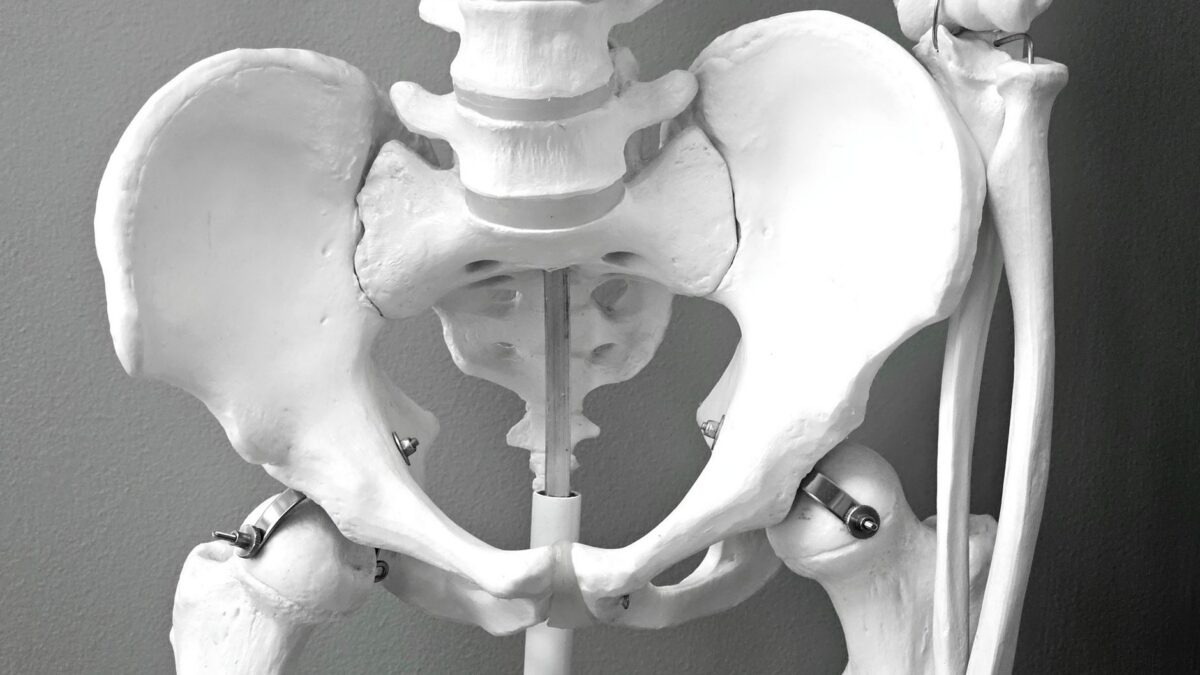
Between the bones of the spine sit intervertebral discs, which take up pressure and spread weight so the back can bend. When they wear down, a condition called intervertebral disc degeneration (IVDD), people can end up with pain, stiffness and less movement. According to the University of Edinburgh, no medicine can currently halt or reverse that process, and surgery is the only established long-term option for some severe cases.
Collagen IX is a protein that helps hold the fiber network of the discs together. Variants in a gene connected to it have repeatedly turned up in people whose disc problems start earlier in life. To see what that gene does, the team followed zebrafish bred without a functioning copy (the paper names it col9a1b) as they grew older.
Over time, minerals collected in the tissue between the fishes’ vertebrae, where they do not normally belong. This mineralization made flexible tissue stiff, a bit like bone forming in the wrong place, and neighboring vertebrae fused. The researchers also found that a supporting layer laid down during spine development began to break down before any mineral appeared. That order of events suggests the loss of this framework comes first and the hardening follows.
Fat metabolism, phosphate and vitamin A
To see what was going on inside the cells, the team measured gene activity in the fish as the damage developed. Several processes looked disturbed: how the body breaks down, stores and uses fat; mTOR, a signaling system that helps control cell growth and responses to nutrients; the handling of phosphate, a mineral that builds bones and teeth but can stiffen tissue when it lands in the wrong place; and vitamin A signaling, which guides how cells develop.
The authors read this as a sign that disc degeneration involves changes in how cells use nutrients and manage minerals, beyond tissue simply wearing out.
What reduced the damage
The bisphosphonate blocked the abnormal mineral buildup. In osteoporosis, these drugs protect weak bones by slowing the breakdown of bone tissue. Two other interventions cut the number of spinal fusions in the fish: feeding them less, and giving drugs that suppressed fat metabolism. Based on these results, the team points to fat metabolism and phosphate regulation as possible targets for future drugs.
What this means for people with back pain
For now, the study gives researchers a model and some leads. The University of Edinburgh says more work is needed to find out whether the same mechanisms run in humans and whether targeting them is safe. It also says the feeding results do not show that eating less prevents spinal damage in people.
Dr. Erika Kague, who led the research at the university’s Institute of Genetics and Cancer, said, “For decades, surgery has been the only real answer for disc disease.” She described the zebrafish results as pointing to several ways of slowing the hardening, among them a drug already used safely in patients, and said there is more work to do.
Arthritis UK, which funded the study along with BBSRC, put the number of people living with back pain in the UK at 9.5 million. Dr. Caroline Aylott, the charity’s head of research delivery, said the findings offer those people hope of new treatment approaches.
The paper’s DOI is 10.1038/s42003-026-10702-1.
Source: ScienceDaily
Site editor: Nikita Sheikin