Eclipse Aug. 2, 2027 in Cádiz, Málaga and Marbella: Local Times
Totality on Aug. 2, 2027 lasts 3 minutes, 21 seconds in Marbella, 2 minutes, 56 seconds in Cádiz and 1 minute, 57 seconds in Málaga. Local times for each.
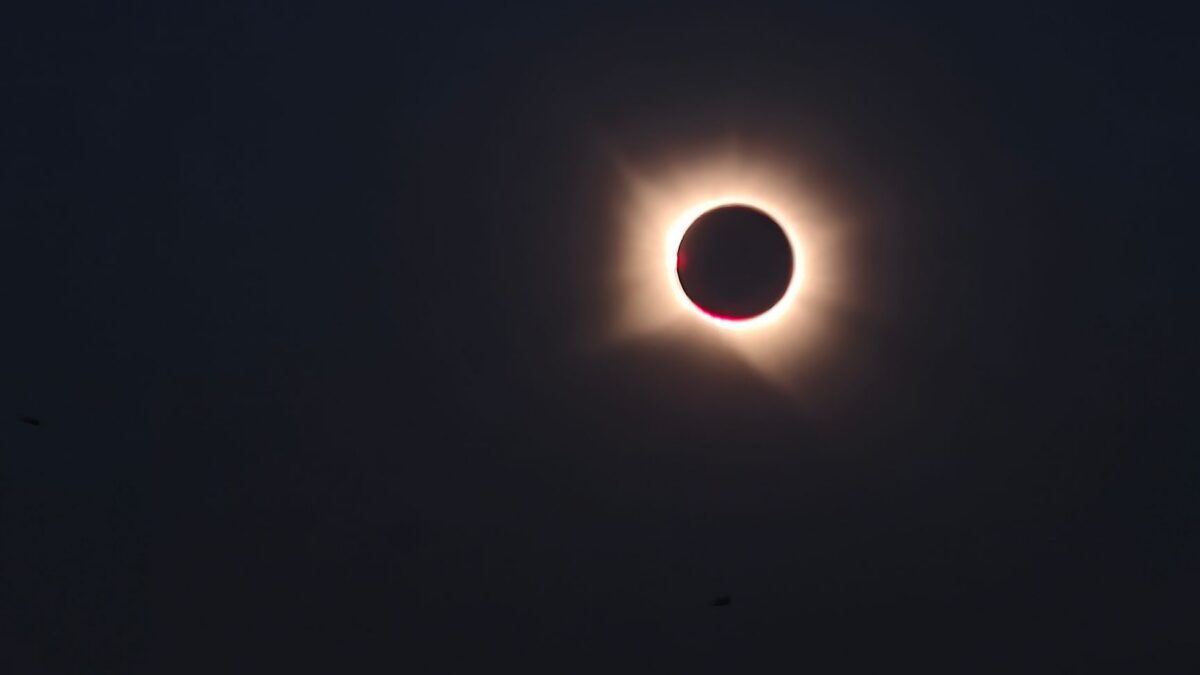
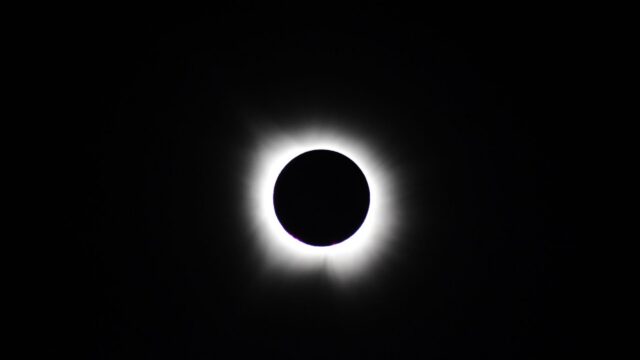
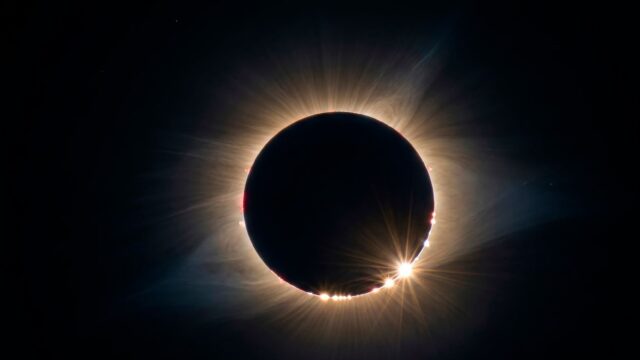
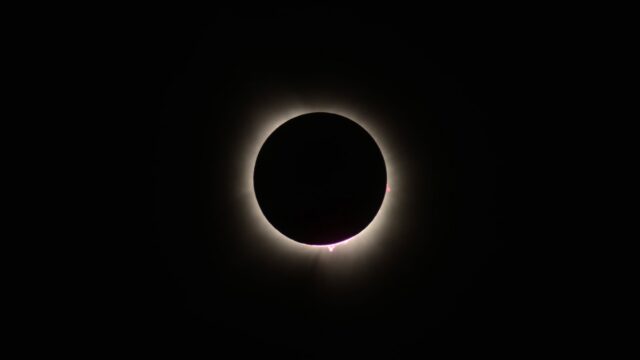
The total solar eclipse of Aug. 2, 2027 reaches maximum at 10:46 local time in Cádiz, 10:48 in Marbella and 10:49 in Málaga. Totality lasts 3 minutes, 21 seconds in Marbella, 2 minutes, 56 seconds in Cádiz and 1 minute, 57 seconds in Málaga, according to Time and Date’s city pages. The Sun will be in the eastern sky, roughly 37 to 40 degrees above the horizon along the center of the Moon’s shadow at that hour, NASA’s path table shows.
What time does the eclipse start and end in each city?
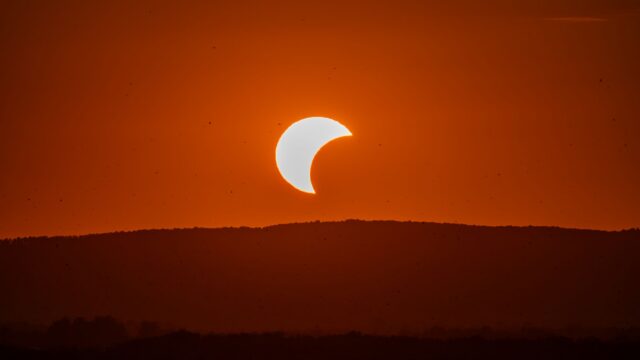
The partial phase begins between 09:40 and 09:42 local time in all three cities and the whole event is over by about noon. Aug. 2, 2027 is a Monday. Every time below is local time in Spain, as published by Time and Date.
- Time and Date’s page for Cádiz: begins 09:40, maximum 10:46, ends 11:59. From first contact to last, the eclipse runs 2 hours, 19 minutes.
- Time and Date’s page for Marbella: begins 09:41, maximum 10:48, ends 12:01, a span of 2 hours, 20 minutes.
- Time and Date’s page for Málaga: begins 09:42, maximum 10:49, ends 12:02, a span of 2 hours, 21 minutes.
The shadow moves from west to east, which is why Cádiz on the Atlantic side sees each stage a minute or two before the cities on the Costa del Sol.
How long does totality last in Cádiz, Málaga and Marbella?
Marbella gets the longest totality of the three at 3 minutes, 21 seconds. Cádiz follows with 2 minutes, 56 seconds. Málaga has 1 minute, 57 seconds.
Totality is centered on the moment of maximum, so in each city the dark phase falls around the maximum time listed above. Time and Date lists the event as a total solar eclipse for all three cities, which means the Moon covers the Sun completely in each of them.
Why is totality shorter in Málaga than in Marbella?
Duration depends on how far a place sits from the central line of the Moon’s shadow, and Málaga is the farthest of the three. The NASA eclipse path table puts the central line well south of the Spanish coast when the shadow crosses this part of the map, near 35 degrees north latitude. All three cities lie in the northern part of the path, between the central line and the northern limit.
On the central line itself, NASA lists a totality of 04m48.3s at 08:46 Universal Time and 04m53.8s at 08:48, with a shadow path 236 to 237 kilometers wide. Summer clock time in mainland Spain runs two hours ahead of Universal Time, so those rows correspond to 10:46 and 10:48 on local clocks. Both central-line figures are longer than anything the three cities get.
The gap between neighboring towns can be large near the edge of the path. Marbella and Málaga are on the same stretch of coast, yet Marbella’s totality is 3 minutes, 21 seconds and Málaga’s is 1 minute, 57 seconds.
How high will the Sun be during totality?
NASA’s table gives the Sun’s altitude on the central line as 37 degrees at 08:46 Universal Time, 39 degrees at 08:48 and 40 degrees at 08:50. The azimuth in those rows is 94, 95 and 97 degrees, which is a little south of due east.
Those figures are for the central line, and the cities are north of it, so the exact altitude in Cádiz, Málaga or Marbella will differ slightly. As a planning guide, expect the eclipsed Sun a bit less than halfway up the eastern sky in mid-morning. A viewing spot needs a clear view to the east. Tall buildings, hills or trees on that side matter more than anything to the west.
Who will see the eclipse, and what can spoil the view?
Anyone inside the path of totality with a clear sky sees the total phase; people outside it see a partial eclipse only. The site’s overview of the full path of the Aug. 2, 2027 eclipse and the best places to watch covers the track beyond Spain.
Visibility depends on location and weather. Cloud or coastal haze in the east at mid-morning can hide the Sun even where the timing is perfect, and no forecast is possible this far ahead.
How do you watch safely?
Never look directly at the Sun without proper eye protection. Time and Date repeats that warning on each city page and says it can seriously hurt your eyes and even cause blindness.
The partial phases last more than an hour on each side of totality, and eye protection made for solar viewing is needed throughout them. Ordinary sunglasses are not eye protection for this purpose.
Quick answers
Which of the three cities has the longest totality?
Marbella, at 3 minutes, 21 seconds. Cádiz has 2 minutes, 56 seconds and Málaga 1 minute, 57 seconds.
Is there another eclipse visible from these cities in 2027?
Yes. Time and Date lists a partial solar eclipse on Feb. 6, 2027 for Cádiz, Málaga and Marbella. Elsewhere in the world that eclipse is annular. A partial lunar eclipse follows on Jan. 12, 2028.
What else is happening in the sky that week?
A few days after the eclipse, a large asteroid makes a close pass of Earth.
Are the listed times in Universal Time?
No. Time and Date shows local time for each city. NASA’s path table uses Universal Time.
Checked against official sources in November 2026. Hours, prices and rules change: confirm on the official page before you go or apply.