6,000-Year-Old Danish Hunter Ate More Land Food as a Teen, Teeth Show
Teeth of Rødhals Man, a 6,000-year-old hunter-gatherer from Sejerø, suggest he ate farm food as a teen. What the isotopes show and what remains unclear.
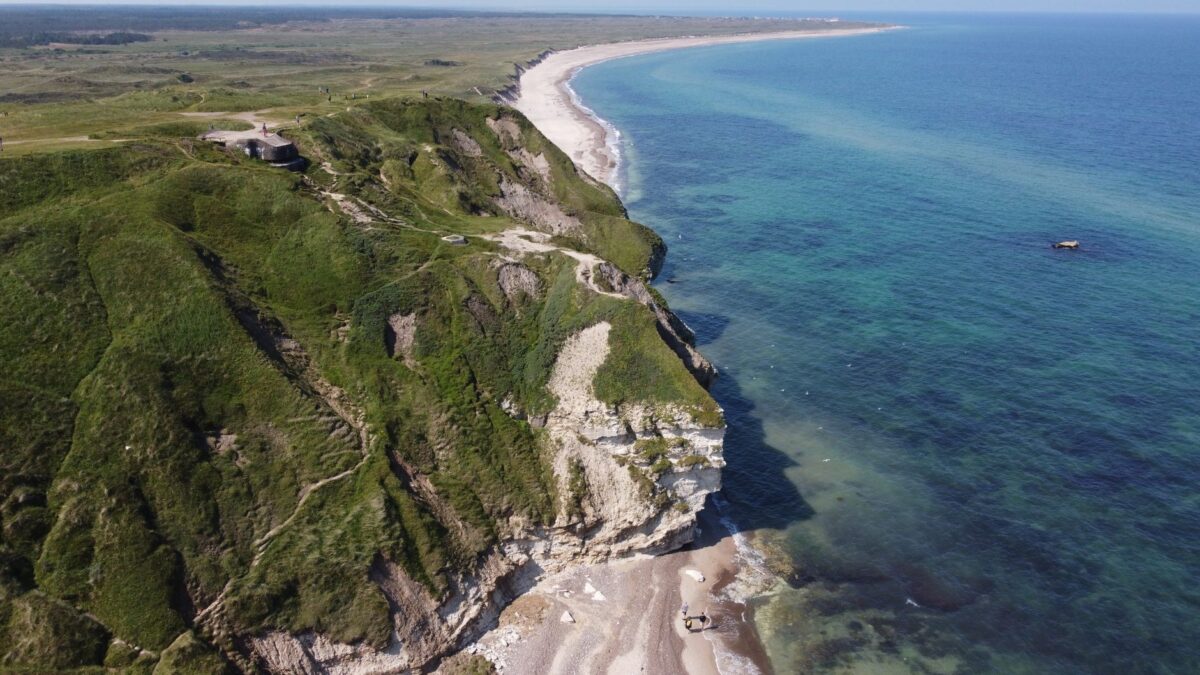
A hunter-gatherer buried on the Danish island of Sejerø about 6,000 years ago grew up eating seafood, but his diet shifted toward food from land as a teenager, around the time the first farmers reached Denmark. The researchers think those farmers may have supplied the food, according to a report in La Brújula Verde summarized by Archaeology Magazine.
The skeleton, known as Rødhals Man, was excavated from a midden, an ancient refuse heap, in 1956. The new study was published in the journal Antiquity by a team led by Anders Fischer of the University of Gothenburg and John Meadows of the Leibniz Centre for Archaeology.
Reading a life from bones and teeth
The team measured carbon and nitrogen isotopes, chemical variants of these elements that record what a person ate, in his bones and teeth. Overall, the results point to a diet dominated by marine fish. Earlier genetic work had already placed Rødhals Man among western European hunter-gatherers.
Eating a lot of seafood can make radiocarbon dates look older than they are, because marine food carries “old” carbon. After correcting for that effect, the researchers dated the bones to between about 3890 and 3770 B.C. That window overlaps with the arrival of the first farmers in Denmark.
Teeth add a timeline. Dentine, the tissue under the enamel, builds up in layers as a person grows, so each layer captures diet at a different age. In childhood, Rødhals Man ate marine shellfish, flatfish and eels. In adolescence, the share of protein from land sources rose above what is usually found in other Mesolithic hunter-fishers from Denmark.
Farm food or wild game?
The isotopes cannot tell whether that land protein came from hunting and gathering or from cattle, sheep and cereals raised by farmers. The researchers lean toward farmers as the source. Their reasoning: he did not also eat freshwater fish, which inland hunter-gatherers would likely have done.
His grave offers a second clue. The team notes that it resembles the burials of the first farmers, including a frame of flat stones.
The conclusion is cautious. The researchers say Rødhals Man may have taken up parts of the farmers’ way of life while keeping many traditions of his hunter-gatherer ancestors. It rests on one individual, and the link to farmers is an interpretation the chemistry alone cannot confirm.
Why it matters
Rødhals Man lived right when farming first appeared in Denmark, and his teeth hold a dated, year-by-year record of what he ate. If the researchers’ reading is right, it shows a coastal hunter-fisher in contact with newly arrived farmers and possibly eating their food, while still being buried with some of their customs and many of his own. Archaeology Magazine has also covered population shifts between the Mesolithic and Neolithic periods in Denmark, the hunter-gatherer and early farming eras.
Source: Archaeology Magazine