G1 Storm Puts Northern Lights Over 12 Northern States Overnight
A G1 geomagnetic storm could bring the northern lights to 12 northern US states overnight Nov. 17. See where, when to look and what the Kp index means.
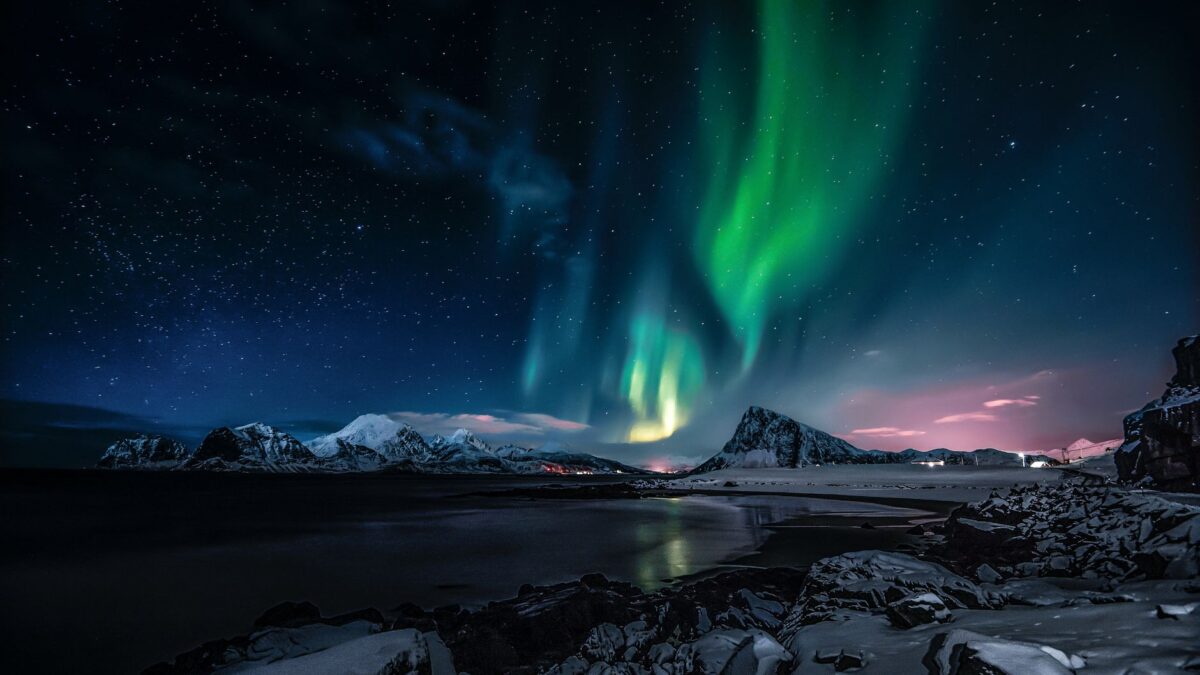
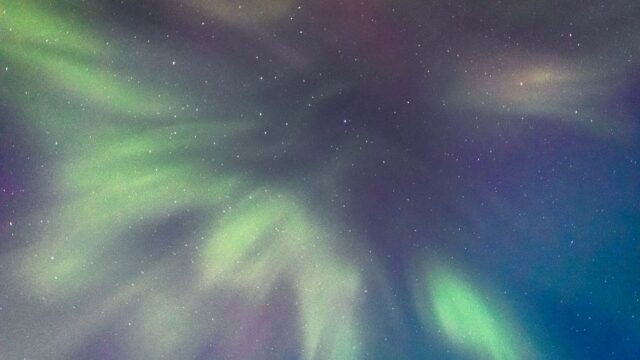
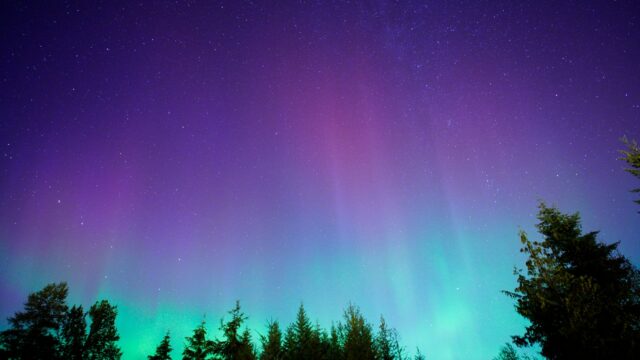
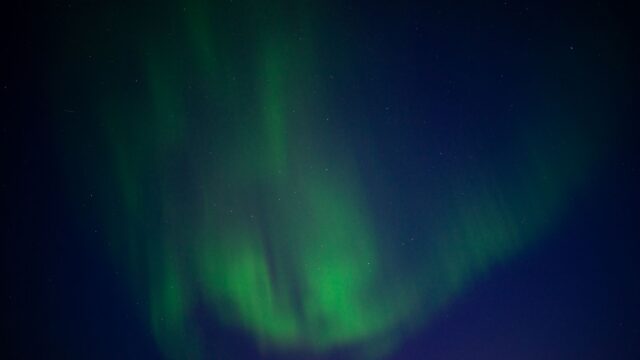
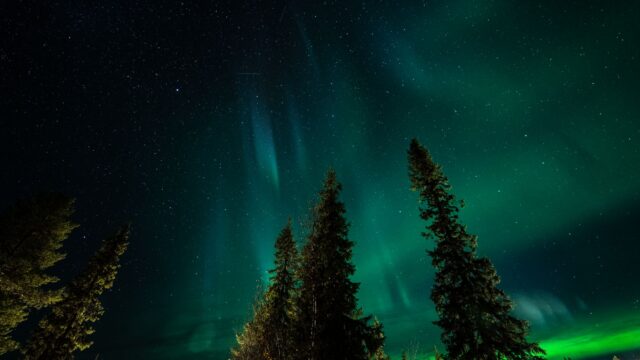
The northern lights may appear over 12 northern U.S. states overnight Tuesday, Nov. 17, into Wednesday morning, as a strong stream of solar wind reaches Earth. The Space Weather Prediction Center (SWPC) of the National Oceanic and Atmospheric Administration expects a G1 geomagnetic storm, the kind that can push auroras into states along the Canadian border.
The forecast covers Alaska, Idaho, Maine, Michigan, Minnesota, Montana, New Hampshire, North Dakota, South Dakota, Vermont, Washington and Wisconsin, according to the SWPC’s aurora outlook reported by Martha Stewart. Visibility depends on where you are and on local weather, and clouds can hide the display completely.
How solar wind turns into an aurora
Solar wind is a flow of charged particles leaving the sun. When a strong stream of it hits Earth’s magnetic field, it disturbs that field, and the energy it brings in makes the upper atmosphere glow. Forecasters call this kind of disturbance a geomagnetic storm, and the SWPC rates tonight’s expected event as G1.
For this event, the SWPC expects the Kp index to reach 4.67 overnight. The Kp index runs from zero to nine and measures how disturbed Earth’s magnetic field is. When it sits in the 3 to 5 range, auroras tend to get brighter and more active. A higher number also means the lights can be seen farther south. Our guide on reading the Kp index and aurora forecasts covers the scale in more detail.
What this means for sky watchers in the northern states
The best viewing window is between 10 p.m. and 2 a.m. local time, according to the report. The source did not give the timing in UTC. Viewers have the best odds at a spot facing north with an open horizon and little artificial light nearby.
Eyes need time in the dark to adjust before faint colors show up. A phone camera often picks up a weak aurora that looks like a pale haze to the naked eye, so scanning the northern sky with one can reveal activity that is hard to see directly. More tips for viewers south of Canada are in our article on seeing the northern lights from the Lower 48.
A half-lit moon will compete with the display
The moon will be at first quarter, with about 50 percent of its face lit. Its glow brightens the sky and can wash out fainter auroras, so the strongest bursts of activity will be easier to spot than a dim, steady glow.
Space weather forecasts carry real uncertainty. The SWPC frames the aurora chances as dependent on G1 conditions actually developing, and if the solar wind arrives weaker than expected, the lights may stay closer to the Canadian border. Readers who want updates can follow the SWPC’s aurora forecast through the night.
Source: YAHOO!