Micro-CT Scans Find a Bird-Like Beak Hidden in Duck-Billed Dinosaur
X-ray scans of three Tethyshadros insularis fossils show that jaw 'spikes' were the bony frame of a keratin beak with nerves and blood vessels.
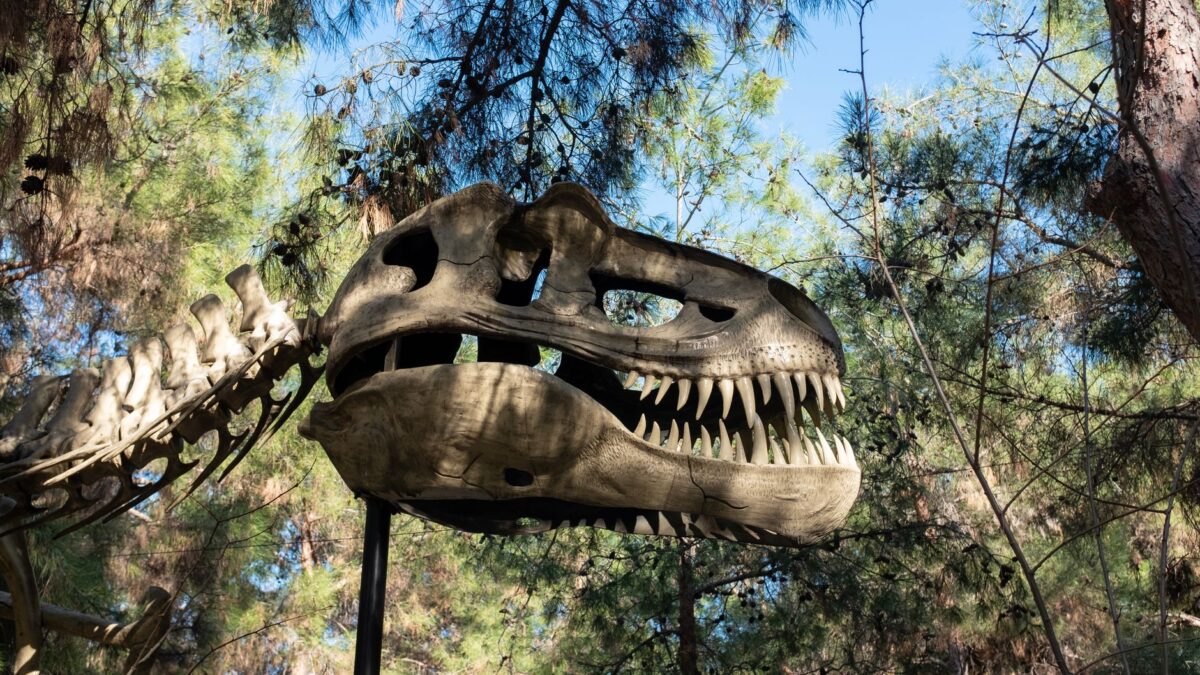
What looked like spikes along the jaws of the Italian dinosaur Tethyshadros insularis turned out to be the internal bone scaffold of a bird-like beak, according to Bioengineer, which reported on the study. An international team scanned three specimens and found that the structures held up an outer sheath of keratin, the same protein that makes up bird bills and human fingernails.
The finding changes how the animal’s head is pictured. The jaw was an integrated organ with its own blood supply and nerves, not a row of exposed spikes.
How the team looked inside the bone
The specimens come from the Villaggio del Pescatore fossil site near Trieste. They include the holotype, the reference specimen for the species, nicknamed Antonio. The scans were done at the TomoLab facility of Elettra Sincrotrone Trieste using X-ray micro-computed tomography, which builds cross-sections and 3D models without harming the fossil.
The scans traced vascular and nerve canals only fractions of a millimeter wide. These channels cannot be seen from the outside of the bone. They showed that the jaw carried a network of blood vessels and nerves that fed a fast-growing keratin bill and supported sensitive touch organs across its surface.
What the beak did
According to the report, the beak worked as a feeding tool that could stand up to heavy wear from tough, gritty plants. The dense network of blood vessels also let it act as a heat radiator, releasing excess body heat and sending cooled blood back toward the braincase during foraging.
Lead author Marco Muscioni of the University of Bologna said that what looked like a strange toothed or spiked beak is really the bony footprint of a far more complex living organ. Co-author Filippo Maria Rotatori of the Paleontology Division at Freie Universität Berlin said the analysis gradually showed how central the neurovascular system, the nerves and blood vessels, was to the dinosaur’s body functions.
How sure is this?
The work rests on three specimens from one site, scanned directly, so the internal canals are measured structures rather than guesses. The beak itself and its heat-radiating role are inferred from those canals, because keratin does not fossilize here. The researchers compare the pattern to living birds.
The details of the journal publication, including a DOI, were not disclosed in the report, so the peer-review status cannot be confirmed from it. Claims about other hadrosauroids, the group of duck-billed dinosaurs and their relatives, are not tested in this study.
The authors say the result shows that micro-tomography can reveal new anatomy in fossils that have been studied for years, without cutting into them.
Source: BIOENGINEER
Site editor: Nikita Sheikin