New Howler Monkey Species Filmed on Amazon Rope Bridge in Brazil
A new howler monkey species turned up in rope-bridge camera photos in Brazil. Rivers kept it apart for over half a million years.
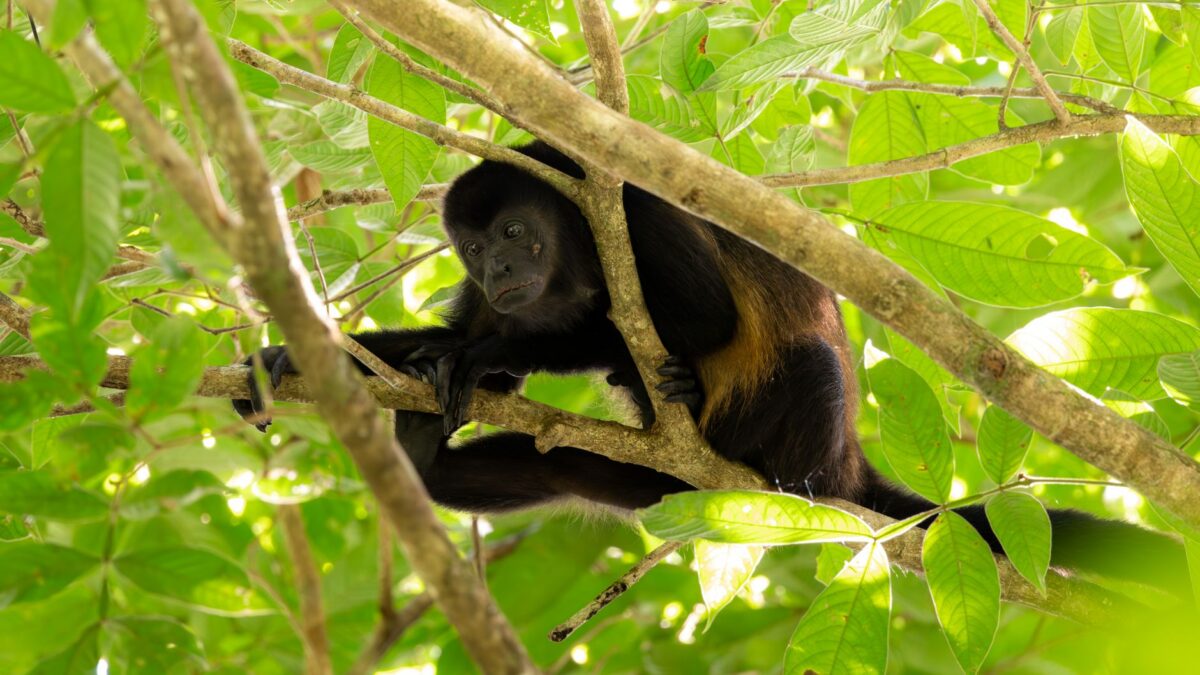
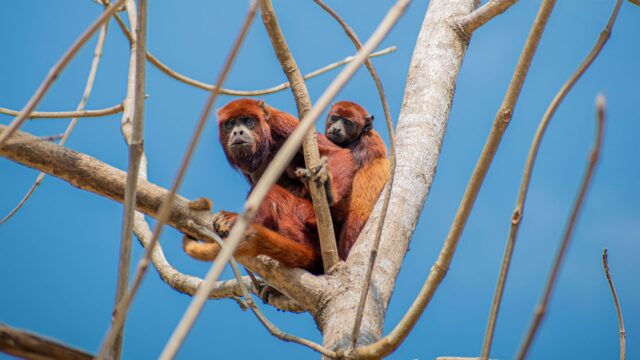
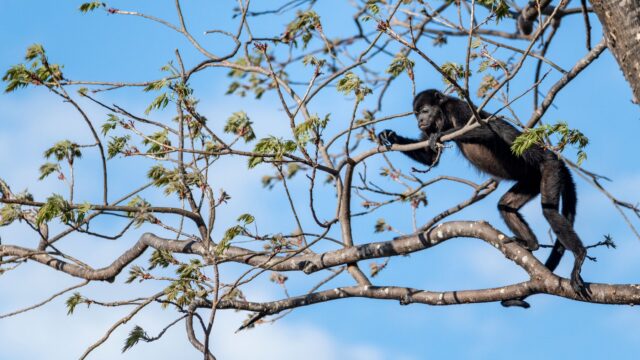
A howler monkey that looks almost identical to a relative has been confirmed as its own species, and cameras on a rope bridge in Brazil have now photographed it. The animal, Alouatta matogrossensis, has likely been separate from its look-alike for more than half a million years, according to a report from A-Z Animals on the research.
The cameras belong to Projeto Reconecta, an organization that builds canopy bridges so wildlife can cross roads in Brazil. Researchers who had just described the species went through thousands of camera-trap photos taken near those bridges. They found capuchins, titi monkeys and marmosets, and also the new howler.
How the team told the species apart
A team from the University of Salford in the United Kingdom, working with international collaborators, analyzed the genomes of 11 howler monkey species in South and Central America. The analysis produced two species not previously described by science: Alouatta iroi and Alouatta matogrossensis. It came 85 years after the last howler monkey species in the region was described.
Alouatta matogrossensis looks much like Alouatta sara, a red-haired howler that lives across the border in Bolivia. Genetic evidence showed the two are distinct, even though an untrained eye would struggle to separate them.
The team also found that several large Amazon rivers, including the Rio Branco and the Xingu, act as real barriers. They kept populations from mixing for millions of years, which let separate species evolve on each side.
The camera footage
The researchers contacted Projeto Reconecta shortly before they were due to publish in the journal Communications Biology. Fernanda Abra, a road ecologist who leads Reconecta, told National Geographic the group was amazed to be providing safe crossings for a new monkey species. Romina Batista, an evolutionary biologist and study co-author, told the outlet the project helps keep gene flow going across fragmented areas.
A habitat under pressure
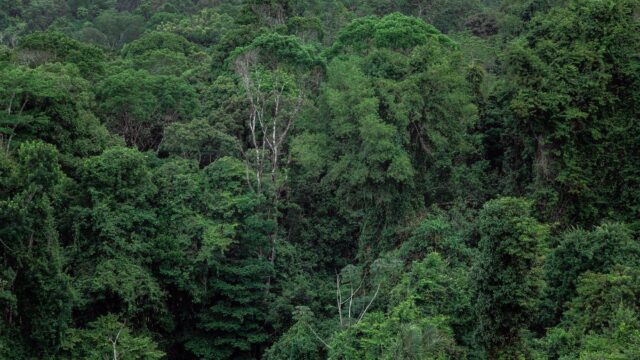
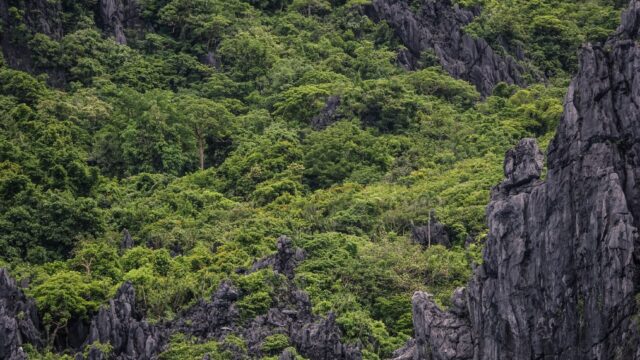
The species lives in a part of Brazil with some of the highest deforestation rates in the Amazon, where forest has been replaced by soybean fields and cattle pastures. The camera that recorded it sits at the edge of Alta Floresta, a small and growing city.
The monkey has not yet been formally assessed for the International Union for Conservation of Nature (IUCN) Red List. The researchers believe it qualifies, and suggest it may already be endangered or critically endangered.
How sure is this?
The species description rests on a genomic analysis published in a peer-reviewed journal, Communications Biology. The animal’s official conservation status is still open, because the IUCN assessment has not happened yet. The camera photos show that the monkeys use the rope bridges. The researchers say the images also point to a small range, which could draw more outside resources toward protecting it.
Site editor: Nikita Sheikin