Archaeologists Find Roman Murals in 54,000-Square-Foot Spanish House
Well-preserved Roman wall paintings of peacocks, cranes and fighting animals turned up at Huerta de Otero in Spain, near a Medusa mosaic found earlier.
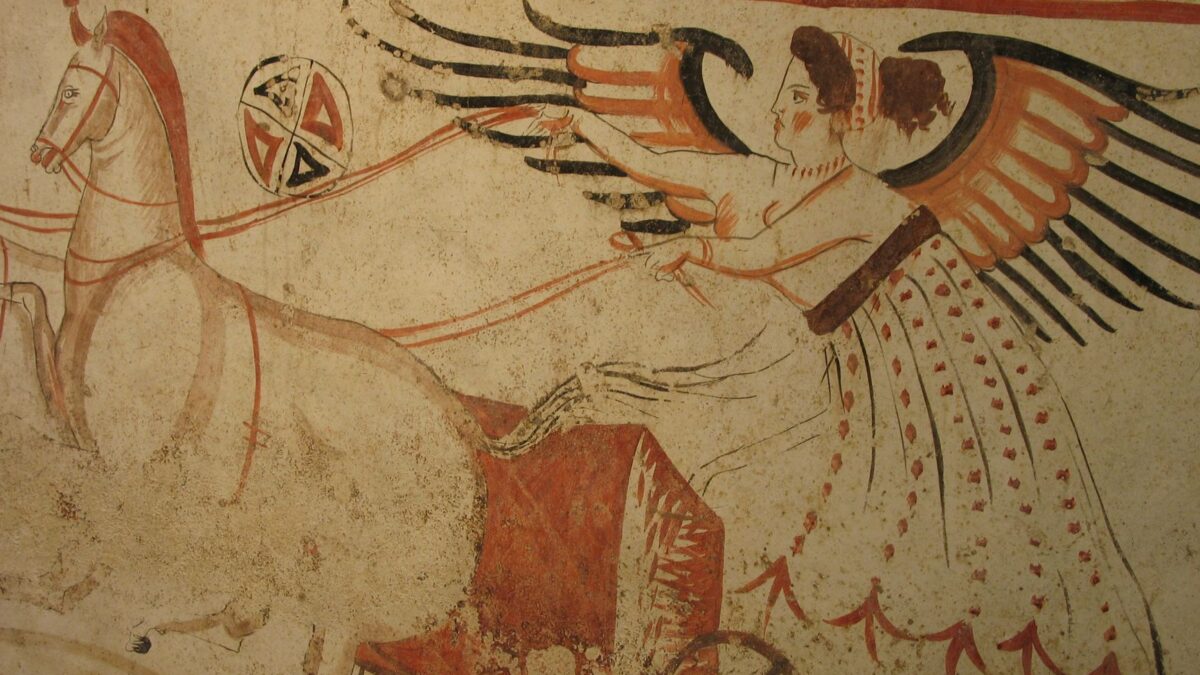
Archaeologists in western Spain have uncovered well-preserved Roman wall paintings in a courtyard of a large house at Huerta de Otero, according to Archaeology Magazine, which cited the Greek Reporter. The team is led by José Vargas. Who lived in the house is not yet known.
The house covers more than 54,000 square feet, which makes it a very large residence by any standard. The paintings were found in a courtyard surrounded by columns.
What the paintings show
The murals include peacocks and cranes, along with a scene of two deer being chased by a feline predator. The painters also included figures from mythology, among them a satyr. In Greek and Roman stories a satyr is a woodland creature that is part man and part goat, usually shown in the company of wine and festivity.
Archaeology Magazine’s short report does not describe the colors, the size of the panels or how much of each scene survives. It says only that the paintings are well preserved.
A Medusa mosaic came first
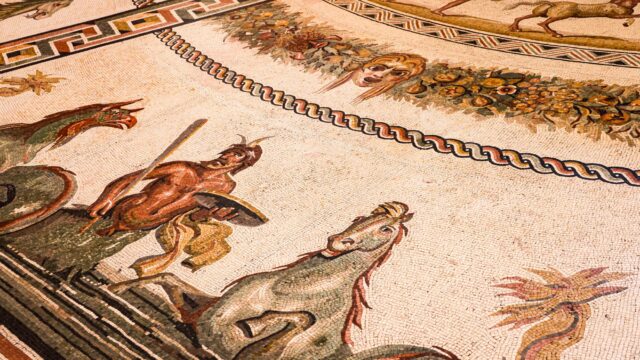
The murals are not the first notable find in this house. A mosaic showing Medusa had already been found in one of its rooms. The magazine points readers to its earlier coverage, titled “The Medusa of Mérida,” for more on that floor.
Together, the mosaic and the courtyard paintings suggest that the owners spent heavily on decoration. That is an inference from the finds, and the reports do not say who paid for them.
Why Mérida matters
The report places the find near Mérida, which in Roman times was Augusta Emerita, the capital of the province of Lusitania. The modern city still has a Roman theater, an amphitheater and a long bridge over the Guadiana, so new houses from the period add to a well-studied picture of how its residents lived.
What is still unknown
The identity of the occupants is the main open question. The house is large enough that archaeologists will likely be looking at its layout, its rooms and its decoration for clues, though the reports do not say what work is planned next.
Wall paintings of this kind are among the main sources for how wealthy Romans decorated the spaces where they received guests and relaxed, which is why a courtyard with intact images draws attention. Further details, such as dating and conservation plans, were not part of the report.
Source: Archaeology Magazine
Site editor: Nikita Sheikin