Japan’s Largest Jurassic Footprint Is 70 cm Long, Found in Fukushima
A dinosaur footprint about 70 cm long in Minamisoma is the largest Jurassic one confirmed in Japan. It is not yet peer-reviewed. Here is what is known.
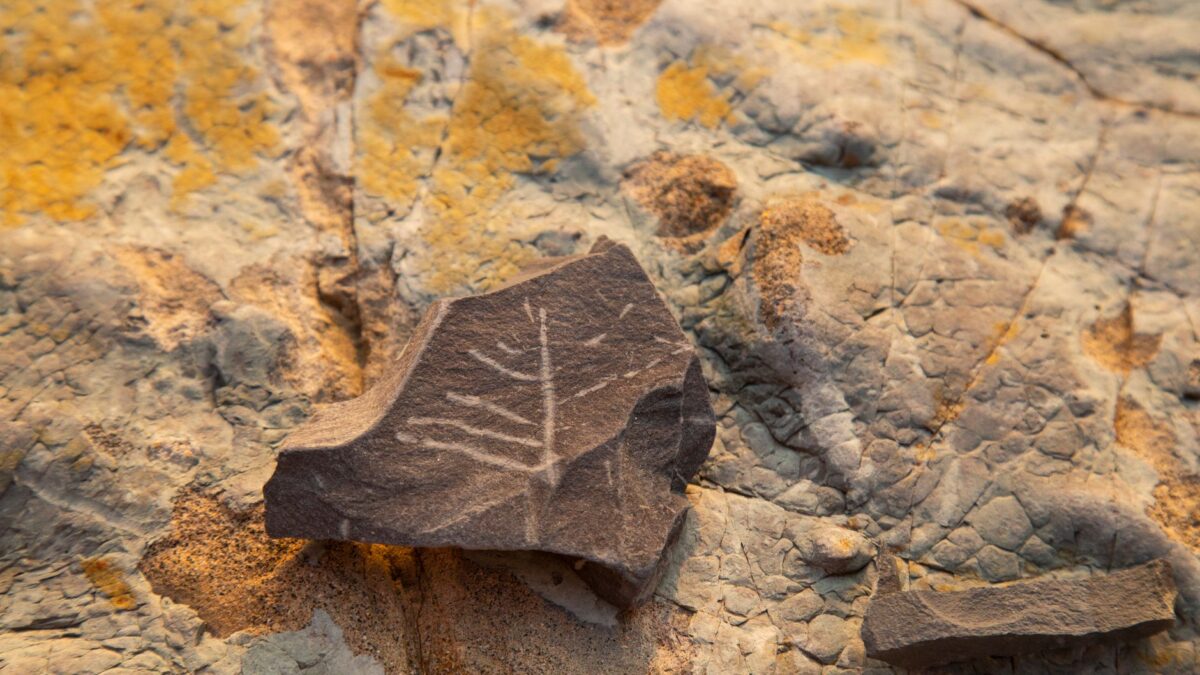
A fossilized dinosaur footprint about 70 cm long has been found in Minamisoma, in Fukushima Prefecture, Japan. Minamisoma City announced it on Oct. 22, 2026, calling it the largest Jurassic dinosaur footprint fossil confirmed in the country. The finding is an announcement by the city and a museum, and it has not been published in a peer-reviewed journal.
More than 10 footprints were found in rock about 160 million years old, from the Late Jurassic period. The largest is the 70 cm one.
What kind of dinosaur left the footprints?
The announcement says the tracks were likely left by sauropods (large, long-necked plant-eating dinosaurs) or similar animals. It words this as highly likely, not certain, and the researchers’ accompanying text says further detailed study is needed. The announcement does not state which features of the prints led to the sauropod conclusion.
How does a footprint differ from a bone fossil?
A footprint is a trace fossil, a record of an animal’s movement preserved in rock. A body fossil, such as a bone, tooth or shell, is the animal’s own remains turned to stone. A footprint shows that an animal passed through the spot, but it does not show the body structure the way bones do. See how scientists read size, speed and behavior from fossil footprints for how such tracks are studied.
What does largest in the country mean here?
The claim is limited. It compares only Jurassic dinosaur footprint fossils, and only those confirmed so far in Japan. It is not a comparison with footprints from other periods, such as the Cretaceous, or with body fossils, so it cannot be taken as the largest footprint in Japan overall.
News reports cited by the JST Science Portal say the previous largest Jurassic footprint in the country was about 33 cm, found in Shimonoseki, Yamaguchi Prefecture. That figure was not in the city’s own announcement, so it rests on those reports. The new footprint is more than double that length.
What is still unknown?
The announcement does not give the body size of the animal, its gait, how many individuals crossed the spot, or which sauropod species made the prints. The species is expected to be studied in detail later.
The investigation was carried out by a team from the Minamisoma City Museum, the Fukushima Museum and researchers from inside and outside the city.
What this means for the find
The next steps announced are an academic evaluation and 3D analysis, which turns the shape of a footprint into digital data for examination. Results have not been released, and the conclusions may change as that work proceeds.
Source: note
Site editor: Nikita Sheikin