Hubble Images Stars in the Milky Way’s Bulge to Prepare for Roman
Hubble imaged the Milky Way's galactic bulge, home to nearly a quarter of the galaxy's stellar mass, to help interpret Roman telescope planet searches.
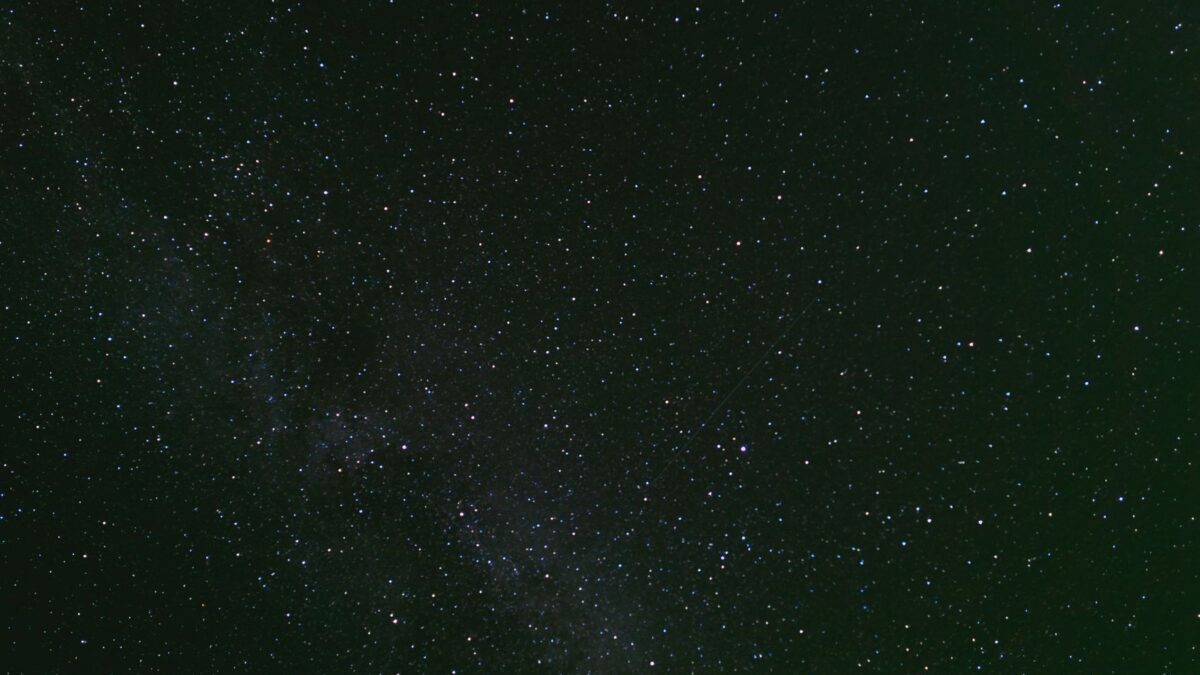
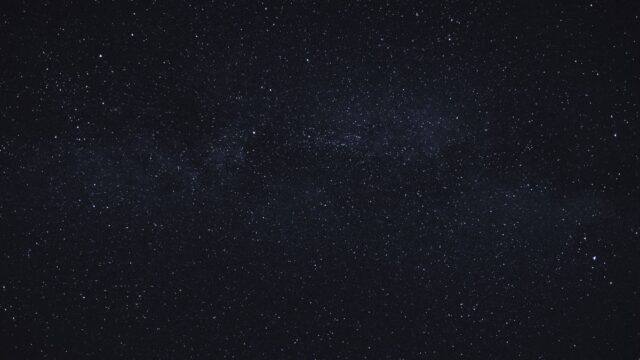
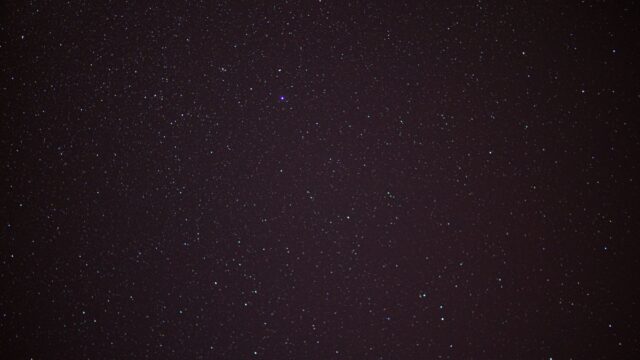
NASA’s Hubble Space Telescope has imaged a crowded patch of the Milky Way’s galactic bulge, the dense, spherical region of stars around the center of the galaxy’s disk. According to NASA, the bulge holds nearly a quarter of the galaxy’s stellar mass. The new images are groundwork for the Nancy Grace Roman Space Telescope, which will search that same region for exoplanets.
The observations are part of a survey designed so that astronomers can better interpret Roman’s data once it arrives. Hubble is recording what these stars look like now, so that later changes can be read against a known baseline.
How Hubble prepared the comparison
Hubble sees mainly in ultraviolet, visible and near-infrared light. Roman collects near-infrared light and some visible light. To make the two sets of data comparable, Hubble observed the bulge at the wavelengths where the telescopes overlap: the red end of the visible spectrum and the near-infrared.
Hubble’s high resolution lets its instruments measure the brightness, ages, composition and motion of stars over time, NASA said. Astronomers can use that information to search for potential exoplanets, locate black holes or dark matter, and study the galaxy’s environment and evolution.
The new images come from Hubble observing program #17776, led by S. Terry, which NASA says is meant to aid Roman in its search for exoplanets, black holes, neutron stars and more. Hubble has looked at the bulge many times before. Earlier surveys include the WFC3 Galactic Bulge Treasury Program, which used the Wide Field Camera 3 to study the brightness, precise positions and motions of stars. Another, the Sagittarius Window Eclipsing Extrasolar Planet Search (SWEEPS), used the Advanced Camera for Surveys to examine 180,000 stars in the bulge.
Why microlensing needs a baseline
A central part of Roman’s planned work is finding exoplanets through microlensing. In this effect, the mass of a closer object bends and magnifies light from a more distant object behind it. The pattern of that distortion can reveal the nature of the foreground star and any planets orbiting it.
Hubble’s data will characterize stars in the region before they undergo a lensing event. Months or years from now, when Roman records one, researchers can compare the two datasets, which NASA says will make the event easier to interpret. These stellar-scale events are far smaller than the gravitational lenses formed around galaxies and galaxy clusters.
Why the Milky Way’s bulge
Bulges in other galaxies glow, but they are too packed and too distant for telescopes to pick out individual stars. The Milky Way’s bulge is close enough to study in more detail. NASA said researchers hope to find new planets there and to learn more about how galaxies form, evolve and interact over billions of years.
How sure is this?
This is an observing program and a set of images, not a discovery of new planets or objects. NASA’s announcement does not report any new exoplanet or measurement from the data, and the value of the survey will depend on Roman’s later observations. The sources do not give a Roman observation date for microlensing events in this region, saying only that they will be captured months or years in the future.
Source: NASA
Site editor: Nikita Sheikin