Limestone Foundation in Alexandria May Mark Ptolemy IV’s Tomb
Researchers found a square limestone foundation, a tunnel and a wall in Alexandria's Royal Quarter that may relate to a tomb Strabo described. Here is what is known.
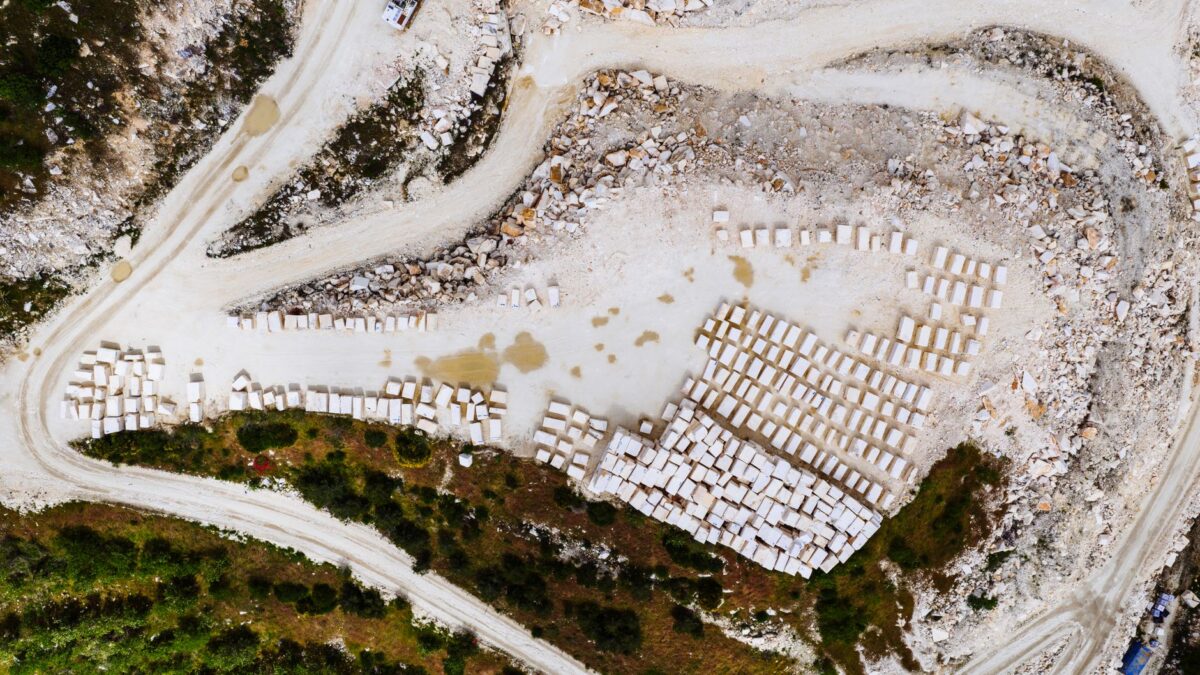
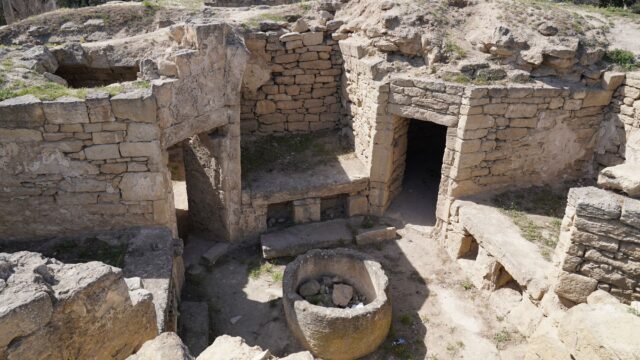
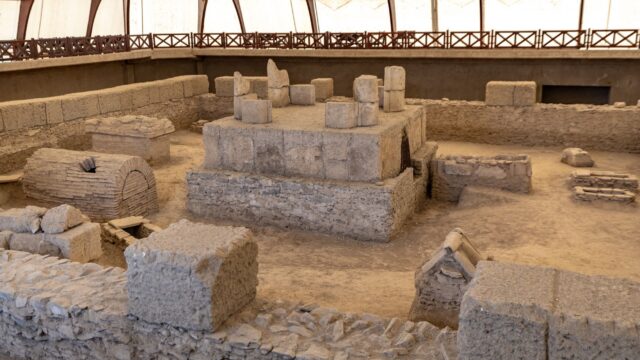
Archaeologists in Alexandria, Egypt, have uncovered a square foundation made of limestone blocks, along with a tunnel and a surrounding wall, at the Shallalat Gardens site in the Royal Quarter of the ancient city. Archaeology Magazine, citing Ahram Online, reports that a committee of experts thinks the foundation supported a tall building, possibly a funerary one, and that the building may be linked to a royal tomb built by Ptolemy IV Philopater, who ruled from 222 to 205 B.C.
How the team reached its reading of the site
The excavation was carried out by researchers from the Hellenic Research Institute of Alexandrian Civilization (HRIAC). A committee of experts headed by Ayman Ashmawy of Egypt’s Supreme Council of Antiquities then examined the foundation. The committee judged that the structure likely held up a tall building, and it drew that conclusion from the architectural features recovered at the site.
The possible funerary purpose comes from the same architectural evidence. The link to Ptolemy IV rests on a written source: the Greek historian Strabo described a royal tomb built by that ruler. Strabo’s account is the reference point the committee members used to connect the foundation to that tomb.
How sure is this?
The identification is tentative. The committee described the building as one that “may have had” a funerary function and as one that “may have been associated” with the tomb, so no one has confirmed that the foundation belongs to Ptolemy IV’s tomb. The reports do not mention a peer-reviewed publication, and the details available come from a news summary of Egyptian press coverage rather than a full excavation report. No inscriptions, burials or dating results were mentioned in the reporting.
Excavation and research into the possible use of the limestone foundation continue, according to the report. The size of the foundation, the length of the tunnel and the purpose of the surrounding wall were not given.
What comes next
Work at the Shallalat Gardens site is ongoing, and the question of what the limestone foundation supported remains under study.
Source: Archaeology Magazine
Site editor: Nikita Sheikin