What Is a Supermoon? How Much Bigger It Looks and When to See One
The Moon's orbit is an oval, so some full moons happen closer to Earth than others. Here is what that changes in the sky and on the coast, and why the giant Moon on the horizon is a trick of the brain.
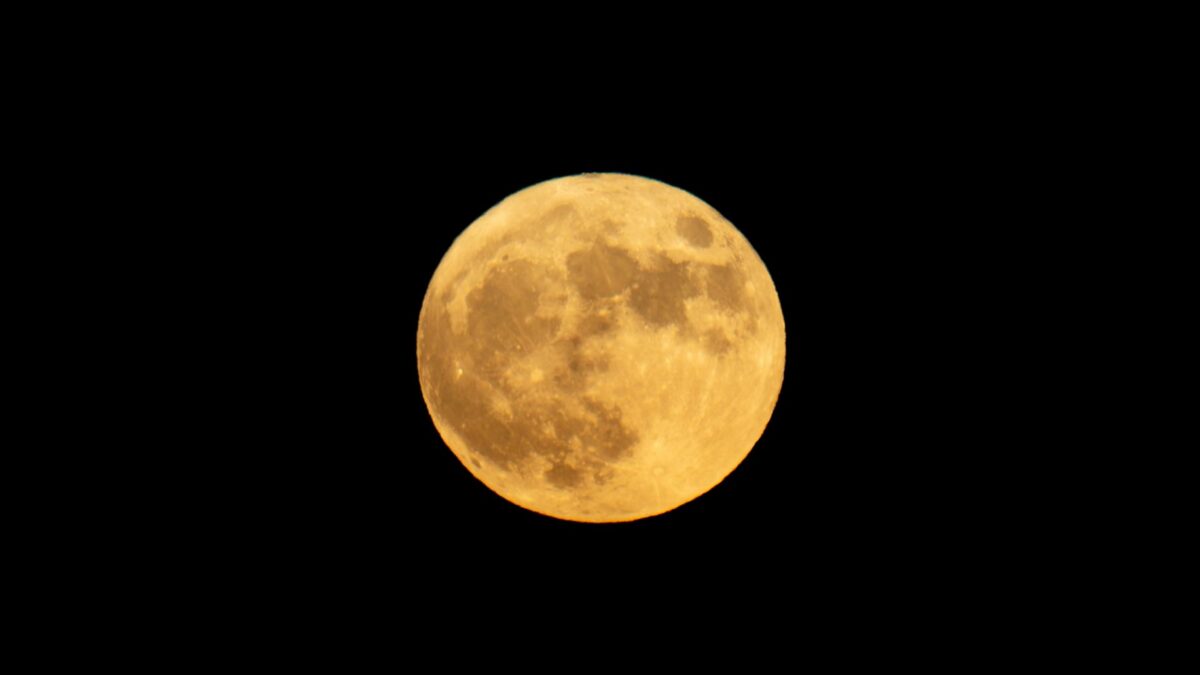
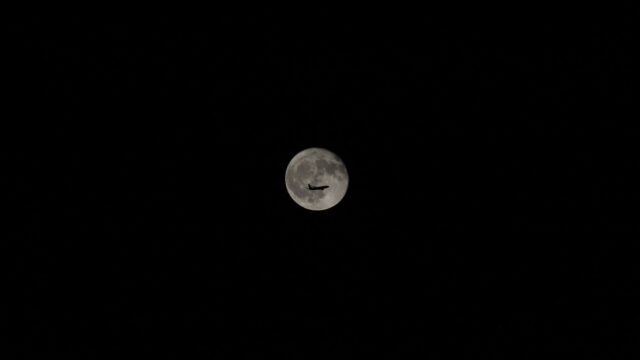
A supermoon is a full moon that happens when the Moon is near perigee, the closest point of its oval orbit around Earth. NASA says a full moon at its closest can look up to 14% bigger and 30% brighter than the faintest full moon of the year, often called a micromoon. The next supermoons fall on Nov. 24, 2026, Dec. 24, 2026 (UTC) and Jan. 22, 2027.
“Supermoon” is not an official astronomy term. NASA uses it for a full moon that comes within at least 90% of perigee. The difference is real but modest, and the dramatic giant Moons in photos are mostly an effect of lenses and the horizon.
Why is the Moon closer to Earth at some full moons?
The Moon’s orbit is an ellipse, not a circle, so its distance from Earth changes through each month. NASA gives perigee as about 226,000 miles (363,300 km) and apogee, the farthest point, as about 251,000 miles (405,500 km). The exact numbers change from orbit to orbit, so some supermoons are closer than others.
A full moon happens about every 29.5 days, while the Moon goes from perigee to perigee in a slightly shorter cycle. Because the two cycles drift against each other, full moons line up with perigee for a few months in a row and then move away for most of the year. That is why NASA notes that supermoons come three to four times a year and always in a run of consecutive months.
How much bigger and brighter is a supermoon?
Compared with a micromoon, a full moon near perigee can look up to about 14% wider and about 30% brighter, according to NASA. Compared with an average full moon, the gain is smaller.
| Full moon | Distance (approx.) | Size and brightness |
|---|---|---|
| Supermoon | Near 226,000 mi (363,300 km) | Up to 14% larger and 30% brighter than a micromoon |
| Average full moon | In between | The everyday reference |
| Micromoon | Near 251,000 mi (405,500 km) | Smallest and faintest full moon of the year |
NASA points out that a 14% difference in size is hard to see by eye, because there is nothing next to the Moon to compare it with. The extra brightness is easier to notice, especially from a dark site, where a supermoon casts noticeably sharper shadows.
A simple way to see the difference is to photograph the Moon with the same lens and zoom at a supermoon and again at a micromoon about six months later, then put the pictures side by side.
Why does the Moon look huge on the horizon?
The giant rising Moon is an illusion in the brain, not a change in the Moon. NASA calls it a true illusion rather than an effect of the atmosphere. In fact, NASA notes that the Moon on the horizon is about 1.5% farther from you than when it is high in the sky, and refraction in the air squashes it a little.
The leading explanation is a version of the Ponzo illusion: the brain judges the horizon Moon as far away, behind trees and buildings, and so “inflates” its size. NASA also says scientists have not reached a consensus on exactly why it works. You can test it yourself: hold a fingertip at arm’s length next to the rising Moon, then again when it is high. It covers about the same amount both times.
Photos of enormous Moons behind skylines use a long telephoto lens from far away. The lens enlarges the Moon and the distant buildings together, so the Moon looks huge compared with the scenery.
Do supermoons affect tides?
Yes, slightly. When a new or full moon falls near perigee, NOAA calls the result a perigean spring tide. NOAA says high tides during these events are often more than a foot higher than other spring tides in some places, and that they occur about six to eight times a year.
These tides can cause minor “high tide flooding” in low-lying coastal streets. NOAA notes that major flooding usually needs strong onshore winds or a storm as well. A supermoon does not cause earthquakes, volcanic eruptions or other disasters; it only adds a modest tidal push.
When are the next supermoons?
NASA lists the next supermoons as Nov. 24, 2026, at 14:54 UTC and Dec. 24, 2026, at 01:28 UTC. The January 2027 full moon, on Jan. 22 at 12:17 UTC, completes the run of three.
| Full moon | Time (UTC) | US Eastern time |
|---|---|---|
| Beaver Moon | Nov. 24, 2026, 14:54 | About 9:54 a.m. EST, Nov. 24 |
| Cold Moon | Dec. 24, 2026, 01:28 | 8:28 p.m. EST, Dec. 23 |
| Wolf Moon | Jan. 22, 2027, 12:17 | 7:17 a.m. EST, Jan. 22 |
The Moon looks full for about a day on either side of these moments, so the evening before or after works just as well. For every full moon of the coming year with its traditional name, see our full moon calendar. A clear sky is the only real requirement, and a view to the east at moonrise gives the best show.
How do you get a good look at a supermoon?
Watch it rise. The Moon rises in the east close to sunset on the night of a full moon, and the first half hour is when it looks largest and most colorful.
- Look up your local moonrise time and find a spot with a low, open eastern horizon.
- Arrive a few minutes early; the Moon often looks orange or yellow as it clears the haze near the ground.
- Use binoculars to see the dark lava plains (maria) and bright craters.
- For photos, frame the Moon with a distant landmark and zoom in, rather than shooting it alone in an empty sky.
A bright supermoon washes out faint stars and meteors. If a meteor shower peaks near a supermoon, our meteor shower calendar shows how much moonlight to expect.
Bottom line
A supermoon is a full moon near the Moon’s closest approach to Earth. It can look up to 14% bigger and 30% brighter than a micromoon, though few people can see the size difference by eye. It nudges tides a little higher. The next three fall on Nov. 24 and Dec. 23-24, 2026, and Jan. 22, 2027.
FAQ
What is a micromoon?
A micromoon is a full moon near apogee, the Moon’s farthest point from Earth. It is the smallest and faintest full moon of the year and the usual reference when people say a supermoon is 14% bigger.
Is a supermoon dangerous?
No. The only measurable effect on Earth is slightly higher tides, which can bring minor flooding to low coastal areas, especially if a storm arrives at the same time.
Can a supermoon also be a blue moon or a blood moon?
Yes. The terms describe different things and can overlap. A total lunar eclipse at a supermoon is sometimes called a super blood moon; our guide to the blood moon lunar eclipse explains how those work.
Why does the Moon look orange when it rises?
Near the horizon its light passes through much more air, which scatters blue light and leaves warmer colors. It turns whiter as it climbs higher.