Why Do We Get Goosebumps? Cold, Emotion and Old Reflexes
Goosebumps come from tiny muscles pulling hair upright when the nervous system reacts to cold or emotion. Here is how it works and when to see a doctor.
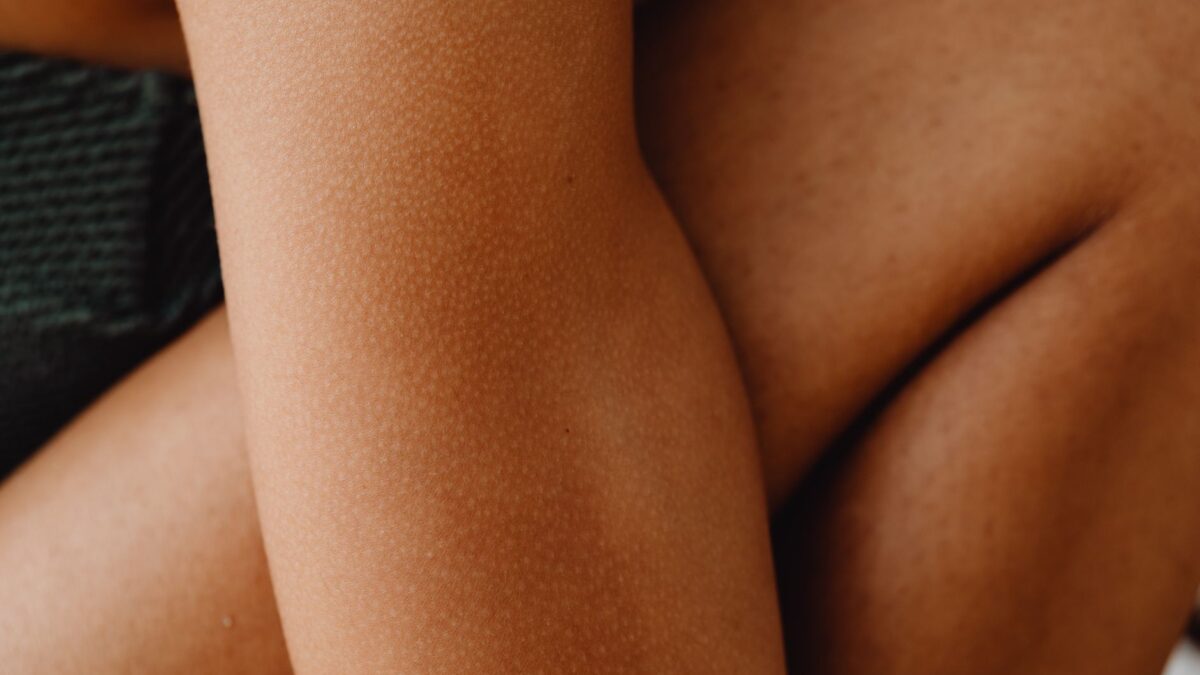
Goosebumps appear when a tiny muscle attached to each hair follicle contracts and pulls the hair upright, which pushes the skin around it into a small bump. The reflex is triggered by the sympathetic nervous system, the part of the body that handles fast, automatic responses, usually in reaction to cold or a strong emotion such as fear or awe. The medical name is piloerection.
How does the body make goosebumps?
Each hair on the body sits in a follicle, and a small band of smooth muscle called the arrector pili runs from the follicle to the upper layer of skin. Smooth muscle is the kind that works without conscious control, like the muscle in the walls of the gut. When nerve signals reach the arrector pili, it shortens. The hair stands up, and the skin where the muscle is anchored dimples inward, which makes the surrounding skin look raised.
The signal comes from sympathetic nerves, which release the chemical messenger noradrenaline near the muscle. This is the same system that speeds the heart and widens the pupils in a fright. Because nobody chooses to activate it, most people cannot make goosebumps on command.
Why does cold cause goosebumps?
When skin temperature drops, the nervous system treats it as a threat to body heat and sets off several responses at once. Blood vessels in the skin narrow, shivering may start, and the arrector pili muscles contract. In animals with thick fur, upright hairs trap a layer of air against the skin, and that layer works as insulation, so the animal loses less heat.
Humans have far less body hair, so the raised hairs trap little air and add almost no warmth. The reflex is generally understood as a leftover from ancestors with denser coats. People still have it because the nerves and muscles are in place and the reflex does no harm. For the broader picture of how the body defends its temperature, see the explanation of how the body turns up its thermostat during a fever, which is a different process but uses some of the same signals.
Why do emotions and music give people goosebumps?
Strong feelings activate the same sympathetic response as cold does. Fear is the classic trigger: the body prepares for danger, and the hair-raising reflex comes along with the faster heartbeat. In many mammals, fluffed-up fur makes the animal look bigger to a rival or a predator. Humans do not look any larger with raised arm hair, so this function is also thought to be a remnant.
People also get goosebumps from pleasant experiences. Music that builds to a climax, a speech, a film scene or a striking view can all bring them on. This reaction is sometimes called frisson, a French word for a shiver. It often shows up as a wave of bumps along the arms, neck or back, together with a feeling of thrill. Not everyone experiences it, and people differ in what triggers it and how strongly.
Why do goosebumps sometimes come with chills or illness?
When a fever is starting, the body raises its temperature target, and the person feels cold even in a warm room. Shivering, chills and goosebumps can then appear together, as the body acts to reach the higher setting. This is a normal part of many infections.
Goosebumps can also appear with nausea, with withdrawal from some drugs, and as a side effect of some medicines. A few nervous system and hormone conditions can cause unusual skin or temperature reactions as well. A single episode after a cold breeze is no cause for concern.
When should a person see a doctor about goosebumps?
Occasional goosebumps in response to cold, music or a scare are ordinary. A doctor should check goosebumps that keep appearing without a trigger, that cover large areas for no clear reason, or that come with other symptoms such as a high temperature that does not settle, fainting, severe pain or changes in vision or speech. Anyone with sudden, severe symptoms should seek emergency care.
What do goosebumps have to do with genes and hair?
The number and thickness of body hairs differ between people, and that is set partly by inheritance. The instructions for building skin and hair are carried in DNA, as described in the guide to how DNA works. People with finer or sparser hair may see less obvious bumps, but the muscle reaction is still present. Shaving does not stop the reflex, since the muscle sits below the surface and still contracts.
Common questions
Can goosebumps be stopped?
Not directly, because the reflex is automatic. Warming up removes the cold trigger, and the bumps usually fade within a minute or so after the stimulus ends. Strong emotions fade at their own pace.
Do goosebumps mean a person is sick?
Not usually. Cold air and emotion are by far the most common causes. They matter medically only when they are frequent, appear with no cause, or come with other symptoms.
Do other animals get goosebumps?
Yes. Mammals with fur raise their hair the same way, and cats and dogs are familiar examples. Birds fluff their feathers through a similar muscle reaction. In animals with thick coats the effect is visible and helps with warmth or with looking bigger.
Site editor: Nikita Sheikin