Eroding Burial Mound Near Troy Fits Ancient Tomb of Ajax Clues
A mound on Turkey's Dardanelles coast turned out to be a built burial mound, and archaeologists are testing a link to Ajax's tomb. Nothing proves it yet.
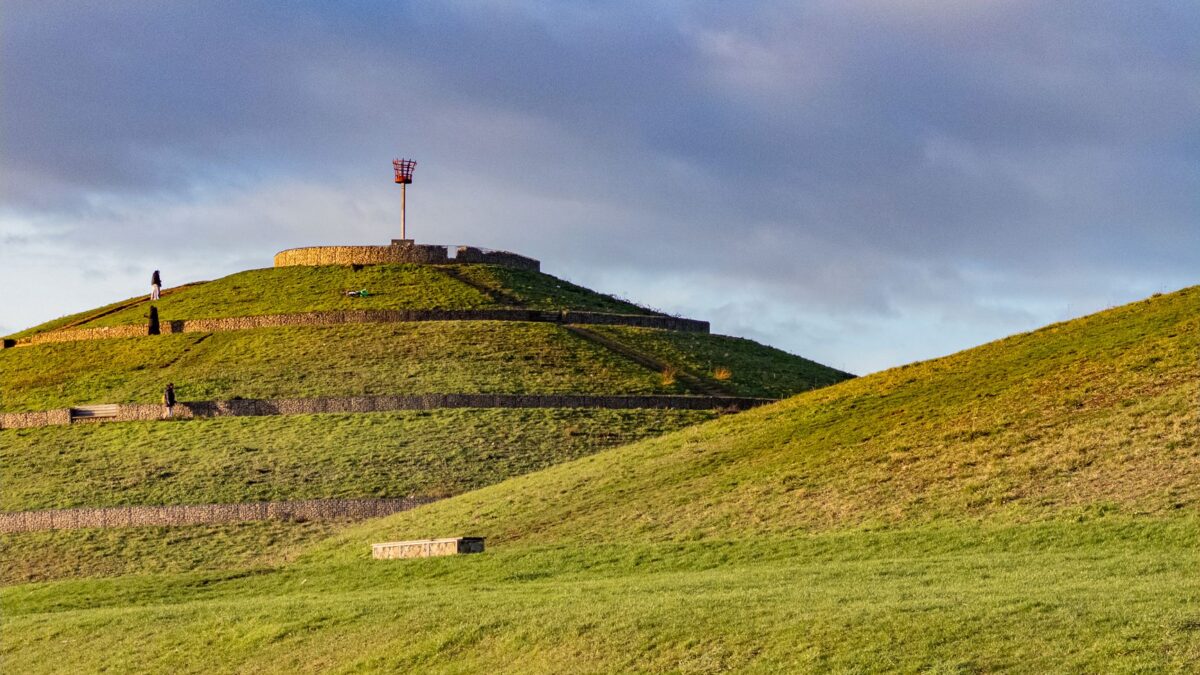
Archaeologists in north-western Turkey are investigating whether a burial mound about 10 kilometres from Troy could be the Tomb of Ajax, a monument that ancient writers placed on this stretch of coast, HeritageDaily reported. The site is called Işıldaktepe Altı. So far nothing found there ties it to Ajax by name, and the identification remains unproven.
Ajax, also called Ajax the Great, is one of the leading Greek warriors in Homer’s Iliad, where he fights alongside Achilles during the Trojan War.
How a supposed settlement became a burial mound
Archaeologists Fecri Polat and Rüstem Aslan identified the site in 2011. They first took it for a settlement from the Copper Age or possibly earlier. Coastal erosion was already cutting into it, and parts had been lost to the sea.
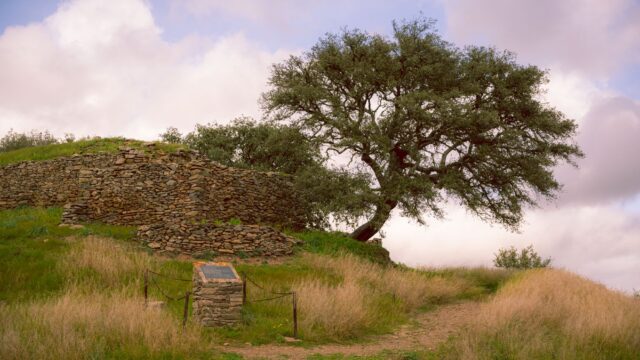
Rescue excavations began in October 2024, and storms and waves had by then exposed enough of the mound to show how it was built. The team found rows of carefully placed stones set in mud and covered by a layer of greenish clay. Researchers believe the stonework held up an artificial heap of earth and kept it from sliding toward the shore. That design did not fit a settlement.
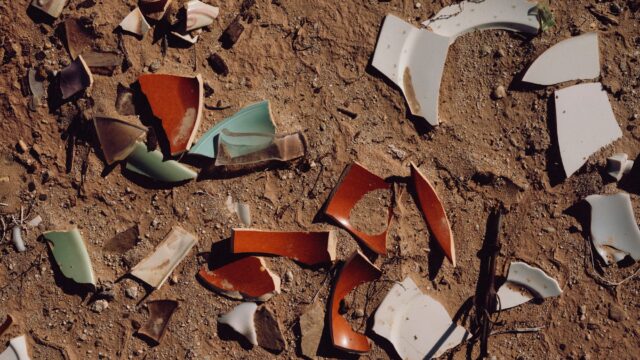
Finds from the dig include pottery from different periods, spindle whorls (weights used in spinning thread), bone objects and pieces of large storage vessels. The excavators now describe the site as a deliberately built burial mound, not a natural hill with settlement remains.
Why Ajax enters the picture
The mound stands near the ancient settlement of Rhoiteion. Later Greek and Roman writers associated Ajax’s burial place with the coast around Rhoiteion. Writing in the Troy Museum Journal, Polat points to the Greek geographer Strabo, who mentioned the Tomb of Ajax in this area. Other ancient accounts describe the monument being damaged by the sea and later restored under the Roman emperor Hadrian.
Işıldaktepe Altı sits directly beside the Dardanelles and has been battered by waves and storms. That coastal position, together with its identification as an artificial burial mound, is the reason archaeologists are checking the ancient descriptions against it. The report cites the Republic of Türkiye Ministry of Culture and Tourism as its source.
How sure is this?
The evidence is suggestive and no more. No inscription connects the mound with Ajax, and archaeologists have not reported human remains that could point to a particular burial. The central part of the mound has not been fully excavated, so its date and original purpose are still uncertain. The reporting does not say the work has gone through peer review beyond Polat’s article in the Troy Museum Journal.
A match with the ancient sources would also leave a question open. Hero shrines, sanctuaries and symbolic tombs for mythological figures existed across the ancient Greek world, and people worshipped and commemorated at them without the remains of the figure being inside. Identifying the mound with the Tomb of Ajax would not show that the Homeric warrior was a historical person.
What comes next
Digging the unexplored centre of the mound is the next step. It could establish when the monument was built and how it was used, and perhaps whether people in antiquity knew this spot on the Dardanelles as the Tomb of Ajax. If the identification holds up, the site would show how stories of the Trojan War became attached to places around Troy, where visitors met tombs and sanctuaries linked to the heroes of the conflict.
Source: HeritageDaily
Site editor: Nikita Sheikin