Proteins From 23 Homo naledi Teeth Show No Male Markers
Researchers found no male-specific protein in 23 Homo naledi teeth from at least 20 individuals, in Cell. The finding has two possible explanations.
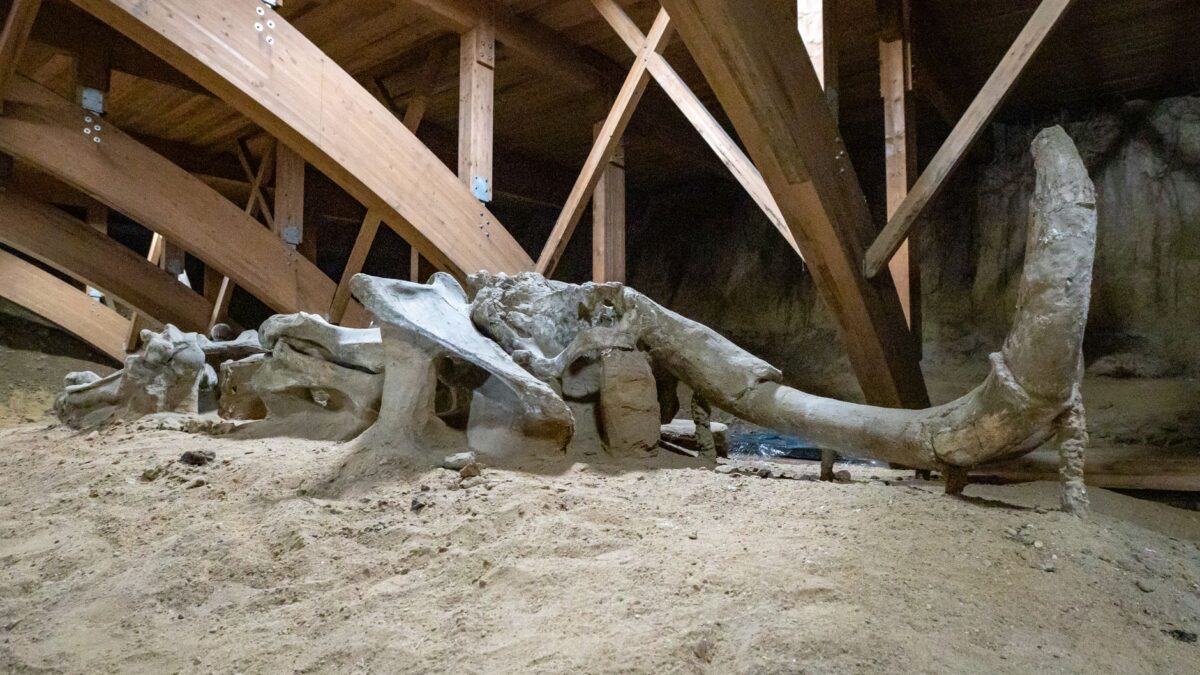
Researchers found no sign of a male-specific protein in the tooth enamel of at least 20 Homo naledi individuals. One reading is that a cave in South Africa held an all-female burial site more than 240,000 years ago. The study, published in the journal Cell, examined 23 teeth, according to a University of York release carried by ScienceDaily.
The authors say a genetic change in an isolated population could also explain the missing protein, so the result does not settle the question.
What the team looked for
Homo naledi, an extinct human relative, lived roughly 335,000 to 241,000 years ago and has been studied since its discovery in 2013. It combined ape-like features with traits closer to those of modern humans. Adult fossils from the Dinaledi Chamber, part of the Rising Star Cave system, look strikingly alike. They show little of the physical variation that normally separates males from females, and for more than a decade researchers could not explain why.
A team from the University of York, the University of Copenhagen and more than 10 other institutions turned to proteins preserved in the fossils. They used gentle acid etching to pull small protein fragments, called peptides, out of the enamel, which limited damage to the specimens. The researchers searched for Amelogenin-Y, a protein made from a gene on the male Y chromosome. They found none.
Specialists at the University of York’s chemistry facility then examined the amino acids in the samples. According to the release, that analysis confirmed the proteins were ancient and not contamination from modern sources. It is the first time proteins have been recovered from Homo naledi fossils, and the release says it is the largest group of individuals from an extinct hominin species studied with ancient protein analysis.
Two ways to read the result
If the Dinaledi Chamber was deliberately used only for females, it would be the earliest known burial site reserved for one sex by a human relative other than Homo sapiens. It might also point to symbolic burial customs once thought to belong only to modern humans. Palesa Madupe, who did the work as a postdoctoral researcher at the University of Copenhagen, said the lack of variation among the fossils is probably explained by all of the individuals belonging to one sex.
The researchers stress that this is not the only possibility. If the population lived in extreme isolation, the gene that produces Amelogenin-Y could have mutated or disappeared. Some of the individuals could then have been male even though their teeth lacked the protein normally used to identify them. The protein result alone cannot separate the two cases.
Why enamel works for ancient proteins
Madupe explained that dental enamel, the hardest tissue in the human body, shields the proteins inside it from environmental contamination, even over millions of years. Proteins in other remains, such as bone fragments, are less protected. That makes enamel a source of genetic information from very old fossils.
What this means for the study of early humans
Marc Dickinson of the University of York’s Department of Chemistry called the lack of male markers “truly fascinating” and said ancient protein analysis gives a rare view into how our ancestors lived. If the all-female interpretation holds, it would bear on how Homo naledi organized its communities and treated its dead. The alternative explanation would instead say something about the genetic history of a small, isolated group.
The paper, “Proteomic analysis of dental enamel from 20 Homo naledi individuals shows no male markers,” appears in Cell, 2026, volume 189, issue 14, page 4415 (DOI 10.1016/j.cell.2026.05.044). Its authors include Madupe, Dickinson, Lee Berger, John Hawks and Enrico Cappellini.
Source: ScienceDaily
Site editor: Nikita Sheikin