Leonid Meteor Trail Glows 12 Minutes on Camera at Maine Lighthouse
A bright Leonid left a smoke trail that stayed visible on camera for 12 minutes in Maine. The shower peaked Nov. 17-18, and the Geminids come next.
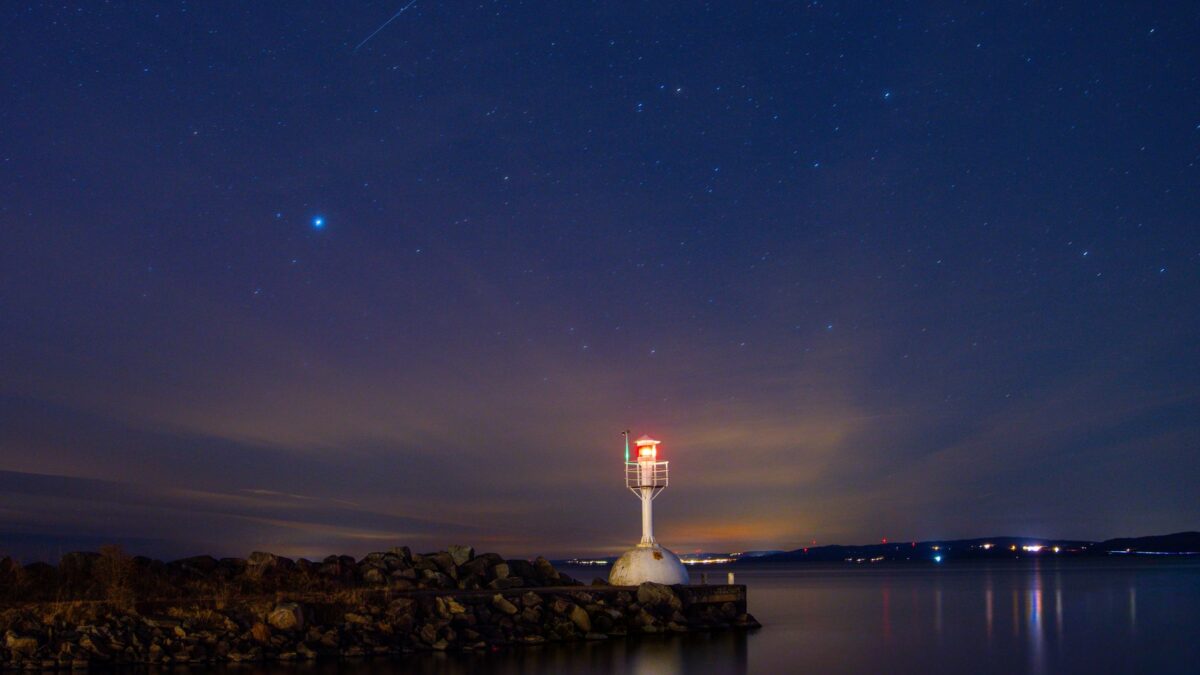
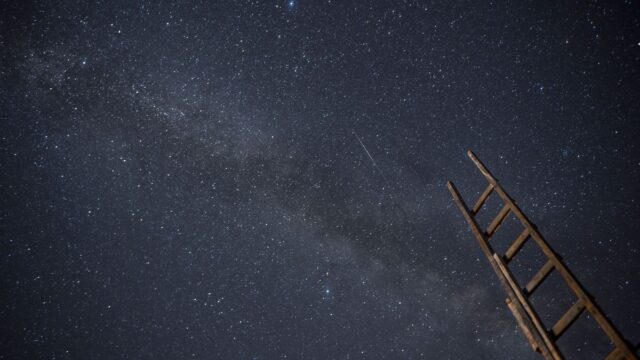
One bright Leonid meteor left a trail of smoke that stayed on camera for 12 minutes, photographer Rob Wright reported on X. He shot it at Nubble Lighthouse in York, Maine, during the Leonid meteor shower, which peaked overnight on Nov. 17-18, Space.com reported.
Astrophotographer Austin Rebello was at the same spot. He told Space.com the meteor was bright enough to briefly cast shadows, and he wrote on X that it left a blue trail visible to the naked eye for more than 30 seconds.
Where the Leonids come from
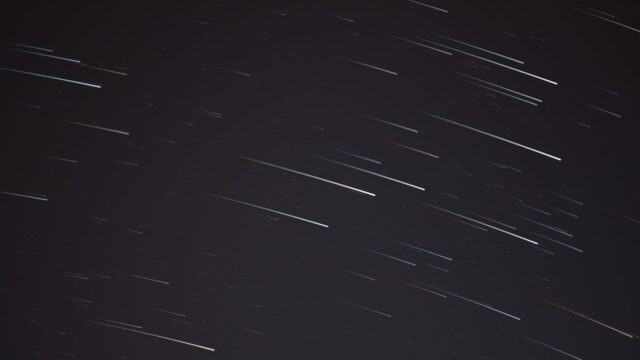
The Leonids happen each year when Earth crosses the debris stream of comet 55P/Tempel-Tuttle, which circles the sun about every 33 years. Specks of comet dust hit the atmosphere at up to 44 miles (71 kilometers) per second and burn up as streaks of light.
The shower has a history of storms. This year is the 60th anniversary of the 1966 Leonid storm, when observers reported 40 meteors per second at the peak.
What a lingering trail is
The glow Wright photographed is called a persistent meteor train. A bright meteor leaves a path of ionized gas (gas whose atoms have lost electrons) that keeps glowing after the meteor itself is gone. Most trains fade quickly, but some last for minutes. Winds high in the atmosphere can twist them into new shapes, according to BBC Sky at Night Magazine.
Fireballs, fog and a sprite
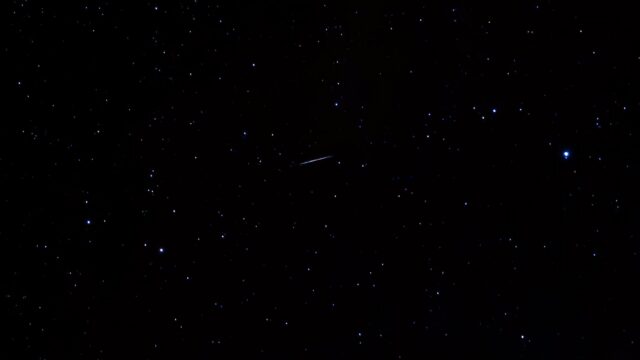
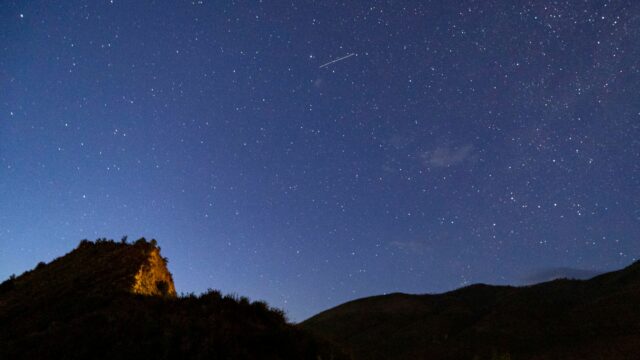
Observers in other places had different conditions. In Deming, New Mexico, photographer Greg Gage set up under a clear sky, but clouds and light fog moved in during the peak. He caught one meteor through the fog and another that changed through several colors as it crossed the sky. He used a Nikon D5500 with a 14mm lens.
In Japan, astronomer Daichi Fujii of the Hiratsuka City Museum photographed a Leonid fireball over Hiratsuka in the early hours of Nov. 19. Its trail went from green to orange. NASA’s Center for Near Earth Object Studies defines a fireball as a meteor of visual magnitude -3 or brighter.
Also in Japan, a skywatcher posting as @simao counted 92 meteors from central Saitama Prefecture between 10:17 p.m. local time on Nov. 18 and 5:40 a.m. on Nov. 19. At 2:19 a.m., the camera recorded a Leonid and a sprite together. Sprites are brief flashes, often red and jellyfish-shaped, that appear high above thunderstorms and are hard to photograph.
How sure is this?
These are photographs and personal accounts shared with Space.com and on social media, not a measured count of the shower. Times, trail lengths and meteor numbers come from the photographers themselves. Visibility depends on location and weather, as the fog in New Mexico showed.
The next shower
The Geminids peak overnight on Dec. 13-14. Space.com says only a slender waxing crescent moon will be in the sky, so moonlight should interfere little, and skywatchers could see up to 120 Geminids per hour under ideal conditions. Dark skies away from city lights help, and eyes need about 30 minutes to adjust. For dates and timing, see our Geminid peak night guide.
Source: Space.com
Site editor: Nikita Sheikin