Leonid Meteor Shower Peaks Tuesday and Wednesday With Fast Fireballs
The Leonid meteor shower peaks Tuesday and Wednesday, with meteors moving at 44 miles per second. When to look, what fireballs are and why storms are rare.
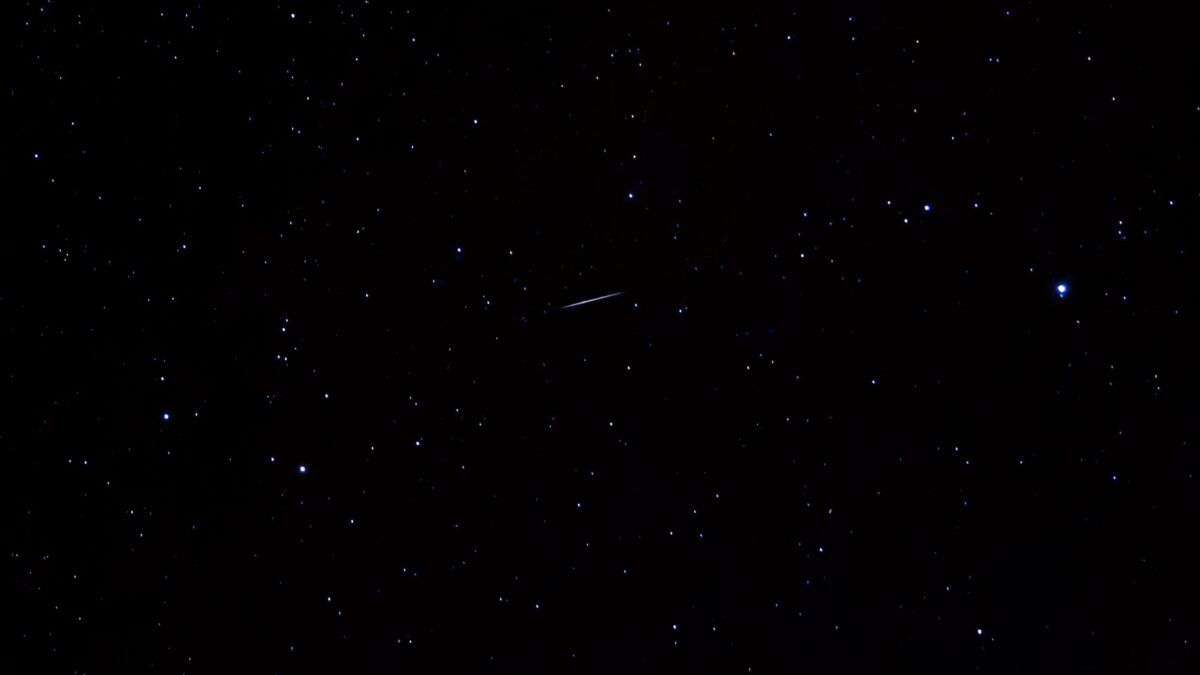
The Leonid meteor shower peaks this week on Tuesday and Wednesday, sending meteors through Earth’s atmosphere at 44 miles per second, according to a Yahoo report that cites NASA. That speed puts the Leonids among the fastest meteors of any shower.
The best viewing starts around midnight on both nights, the report said. What anyone sees will depend on location, local weather and how dark the sky is.
Where the Leonids come from
The shower returns in the middle of every November, and NASA classes it as a major one. Its parent body is comet 55P/Tempel-Tuttle.
About every 33 years, when the comet is closest to the sun, the Leonids can turn into a meteor storm. A storm is defined as a shower that produces at least 1,000 meteors per hour. The last one came in 2002, according to the report.
The best-known Leonid storm happened in 1966. Thousands of meteors fell through the atmosphere within a 15-minute period, and people watching said they seemed to come down like rain.
Fireballs and Earth-grazers
Leonid meteors tend to be bright and colorful, and the shower is known for two kinds in particular.
- Fireballs are larger bursts of light and color that can last longer than an average meteor streak.
- Earth-grazers are meteors that travel close to the horizon and leave long, colorful trails.
The Leonids are one of several annual showers, and their dates and typical rates are listed alongside the others in our calendar of meteor shower peaks.
What it means for skywatchers
NASA’s guidance, as relayed by Yahoo, is to get away from city and town lights, lie flat on your back with your feet pointing east and look up. Eyes need about a half hour in the dark to adjust, and the meteors become visible after that.
The report named Seattle and Bangor, Maine, as the locations with the best viewing in the United States. It did not rule out other areas, and clouds on the night can change the picture anywhere.
The watching happens in the hours after midnight in mid-November, so cold is part of it. The report noted that early morning weather could affect viewing and that patience is needed.
Why the cold matters
The report advised arriving early to set up, since the peak falls on only two nights. The same lying-back method applies to other showers, including the Geminid meteor shower.
Source: YAHOO!