Leonid Meteor Shower Peaks Nov. 17 With About 15 Meteors an Hour
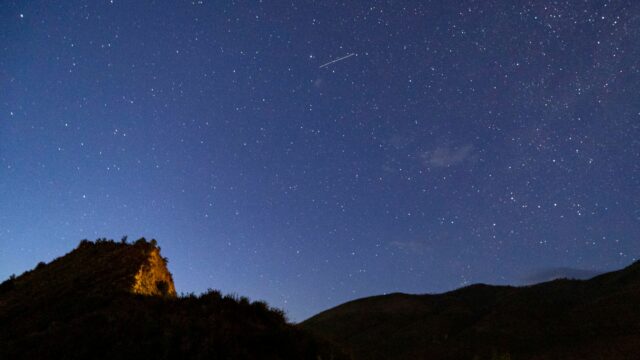
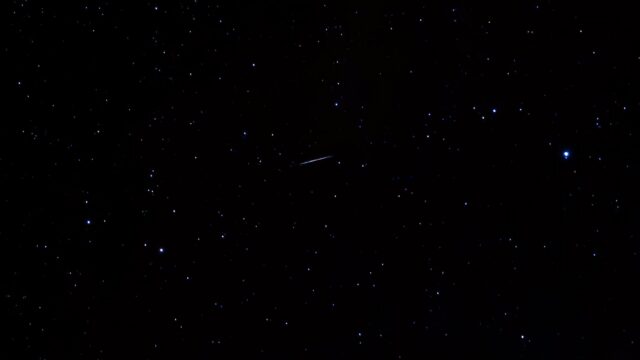
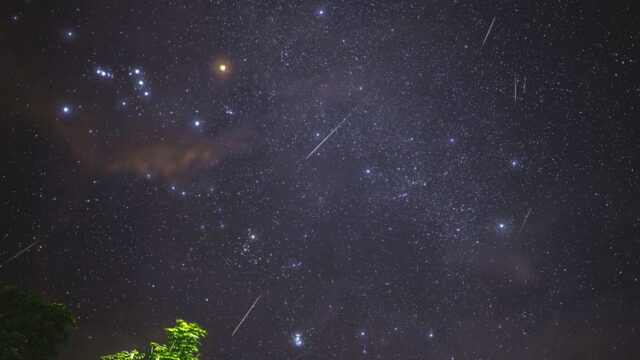
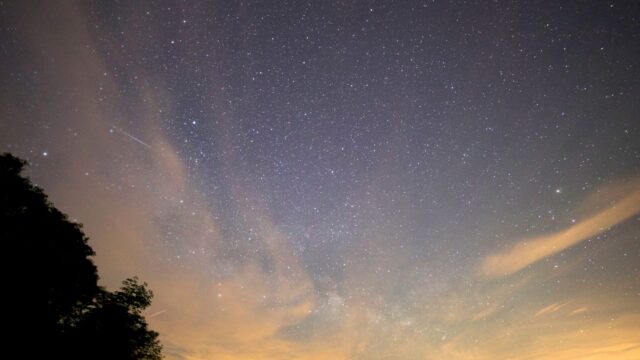
The Leonid meteor shower peaks around Nov. 17-18 with up to 15 meteors an hour in dark skies. When to look, why they are so fast, and why no storm is due.
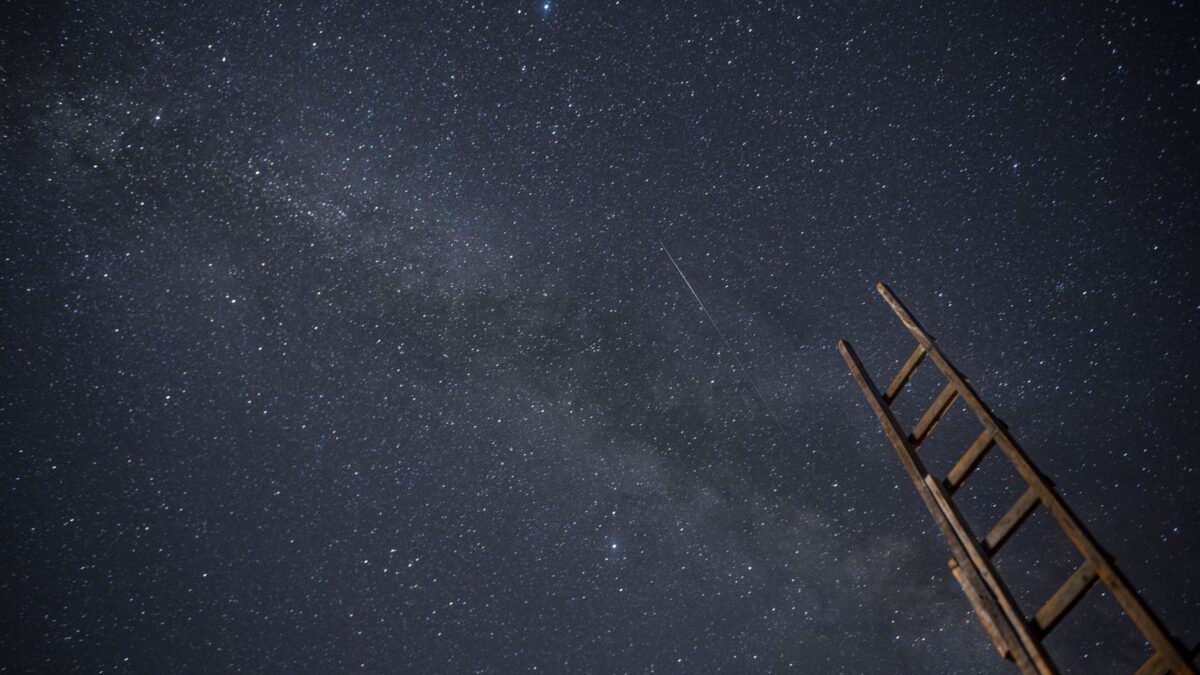
The Leonid meteor shower reaches its peak around Nov. 17-18, with a predicted rate of about 15 meteors per hour under ideal dark-sky conditions. The International Meteor Organization puts the predicted maximum at roughly 23:45 UTC on Nov. 17, according to The Economic Times.
The shower runs from Nov. 6 to Nov. 30, so meteors can also turn up on the nights around the peak, though in smaller numbers. How many any one person sees depends on location, weather and light pollution.
What 15 meteors an hour actually means
The figure of about 15 is a zenithal hourly rate, a theoretical count. It assumes a perfectly dark sky with the shower’s radiant, the point the meteors seem to fly out of, directly overhead. Real observers almost always see fewer, and people in brightly lit cities may see far fewer.
The radiant sits in the constellation Leo, which gives the shower its name. Leo climbs higher as the night goes on, so the hours before dawn tend to give better chances. Meteors can streak across any part of the sky, and looking straight at the radiant is not necessary.
No telescope or binoculars are needed. The naked eye takes in a wider patch of sky than any instrument. Eyes need around 20-30 minutes to adjust to the dark, and a bright phone screen resets that adjustment. Clouds, haze and streetlights all cut the count.
Why the Leonids are so fast
The Leonids are among the fastest of the yearly showers. The particles hit Earth’s atmosphere at roughly 71 kilometers per second. At that speed, tiny particles heat up and leave the bright, brief streaks people call shooting stars.
The dust comes from Comet 55P/Tempel-Tuttle. The comet sheds debris along its orbit, and every November Earth passes through that trail of particles.
A shower famous for storms, but not this year
The Leonids are best known for rare outbursts called meteor storms. Strong displays were recorded in 1833, 1866 and 1966, and again from 1999 to 2002. During the 1966 storm, observers saw thousands of meteors in a short span of time.
No storm is forecast for 2026. According to the International Meteor Organization, Earth is not expected to cross an especially dense cloud of the comet’s debris until around 2099, so skywatchers this year should not expect the kind of display seen in those historic years.
What it means for skywatchers
For most people the Leonids are a modest show. A dark site away from buildings and streetlights matters more than any equipment. Lying back on a reclining chair lets the eye take in more of the sky at once.
Leonids also cross the sky in the nights after the peak, until the shower ends on Nov. 30. Readers planning for later in the season can compare peak dates and rates in our meteor shower calendar, and the next major shower is covered in our guide to the Geminid meteor shower peak.
Visibility depends on where you are and on local weather, and cloud cover or air pollution can sharply reduce what reaches the eye.
Source: The Economic Times