Why Is January Colder Than December? Seasonal Lag Explained
January is colder than December because Earth keeps losing more heat than it gains for weeks after the solstice. Here is how the lag works and why it varies.
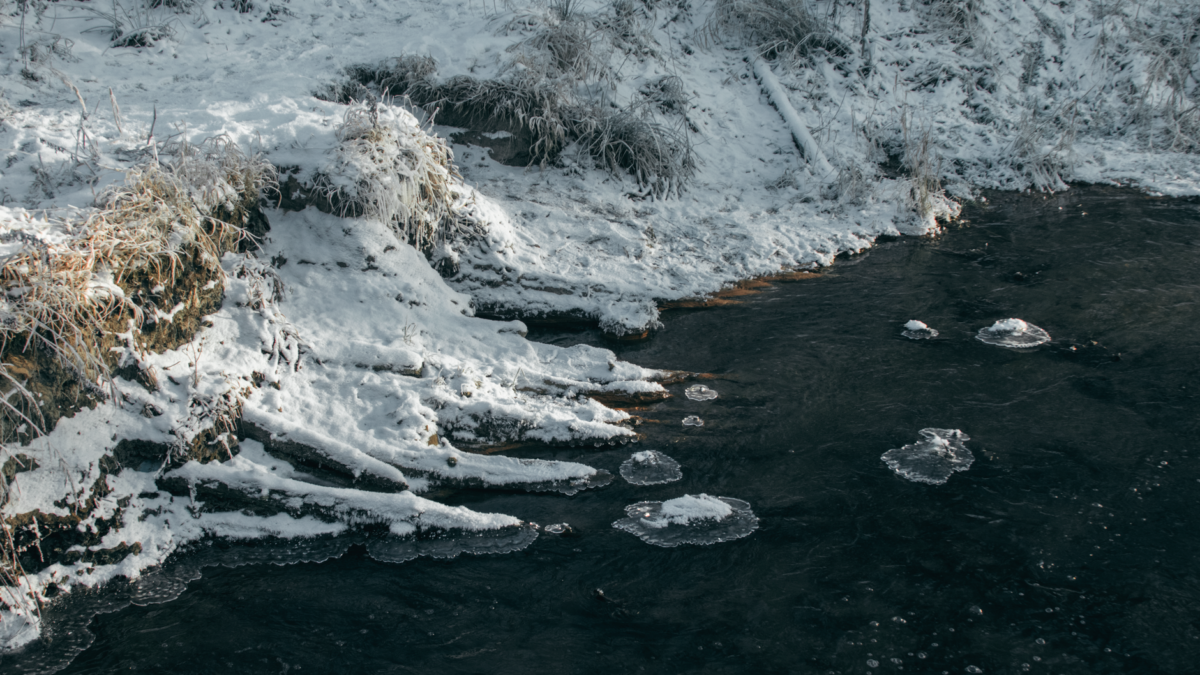
January is usually colder than December in the Northern Hemisphere because of seasonal lag: the ground, air and oceans keep losing more heat than the Sun supplies for about a month after the winter solstice. Days start getting longer on December 21 or 22, but the daily energy gain at first is tiny, so the stored heat keeps draining and temperatures bottom out in mid to late January in much of the United States and Europe.
The same delay happens in summer. The longest day falls in June, yet the hottest weather usually arrives in July or August.
Why doesn’t the coldest weather arrive on the shortest day?
Air temperature follows the balance between energy coming in and energy going out, not the length of the day alone. On the solstice, incoming sunlight is at its yearly minimum, but the surface still radiates heat to space around the clock. Incoming energy stays below outgoing energy for several more weeks, so the surface and the air above it keep cooling even as the days lengthen.
A pot taken off a burner works the same way. It does not turn cold the moment the flame goes out. The coldest point comes only when the heat left in the pot has been used up.
How fast do the days actually lengthen after the solstice?
Very slowly at first. Right after December 21, the gain is a matter of seconds per day, and it speeds up through January and February. The day-by-day figures are in our piece on how fast days get longer after the winter solstice, and the solstice itself is covered in why December 21 is the shortest day of the year.
The Sun’s noon height behaves the same way. It is lowest at the solstice and climbs only a little each day, so sunlight keeps hitting the ground at a shallow angle for weeks.
What role do oceans and land play?
Water holds much more heat than soil or rock for each degree of temperature change, so large bodies of water cool and warm slowly. Oceans and big lakes release the heat they gathered in summer through autumn and winter, which keeps coastal areas milder in December than inland ones. By late winter that reserve is nearly spent.
The timing of the coldest weather therefore depends on location:
- Inland continental regions, such as the northern US Plains and Siberia, tend to reach their coldest point in January.
- Coasts and areas near the Great Lakes often stay cold into February, because the water takes longer to reach its seasonal minimum.
- Places far from any sea have a sharper, earlier cold peak than those under steady ocean influence.
Does snow cover make January colder?
It can. Fresh snow reflects much of the sunlight that reaches it, so less energy warms the ground. Snow also insulates the soil, and the air just above it can drop very low on clear, calm nights. A snowy December often sets up a colder January in the same area for this reason.
Is January always colder than December?
No. The pattern is an average over many years. Any single December can beat a January: a cold air mass pushed south from the Arctic, a persistent storm track or a warm spell can override the seasonal trend for a week or a month. Weather adds noise on top of the typical shape of the year. The National Weather Service, part of NOAA, publishes forecasts and climate normals for individual cities if you want the usual coldest dates for your location.
Outlooks show how this plays out in practice. The NOAA outlook for Texas gives odds of colder than normal weather over a window of days rather than a fixed date.
What happens in the Southern Hemisphere?
The pattern is mirrored. The June solstice is the shortest day there, and the coldest weather usually comes in July, after a similar delay of several weeks. The cause is the same: Earth’s axial tilt sets the seasons, and the surface takes time to respond.
Common questions
When is the coldest day of the year?
In most of the Northern Hemisphere’s mid-latitudes it falls in mid to late January on average. Near coasts and large lakes it can come in February. The exact date varies by city and by year.
Is the Sun closer to Earth in summer?
No. Earth is closest to the Sun in early January, and that does not warm the Northern Hemisphere. Seasons come from the tilt of Earth’s axis, which changes how directly sunlight strikes each hemisphere. For the calendar side of this, see why a year lasts 365.2422 days.
Why can January feel colder than the thermometer says?
Wind, humidity and a lack of sunshine change how cold the air feels on the skin. Wind chill and damp cold are separate from air temperature, and forecasts report them separately.
Site editor: Nikita Sheikin