All 212 UK Plant-Based Foods Tested Carried Fungal Toxins
Every one of 212 UK plant-based foods and drinks held at least one mycotoxin, all below EU guideline levels, a Food Control study reports.
Every one of 212 plant-based foods and drinks sold in the UK contained at least one mycotoxin, a poison produced by fungi, according to a study in the journal Food Control. All measured concentrations were below recommended European Union guideline levels.
The work was led by scientists at the University of Parma in Italy, with contributions from Cranfield University in England. Cranfield provided the summary of the findings that ScienceDaily published on Nov. 19.
What the team tested
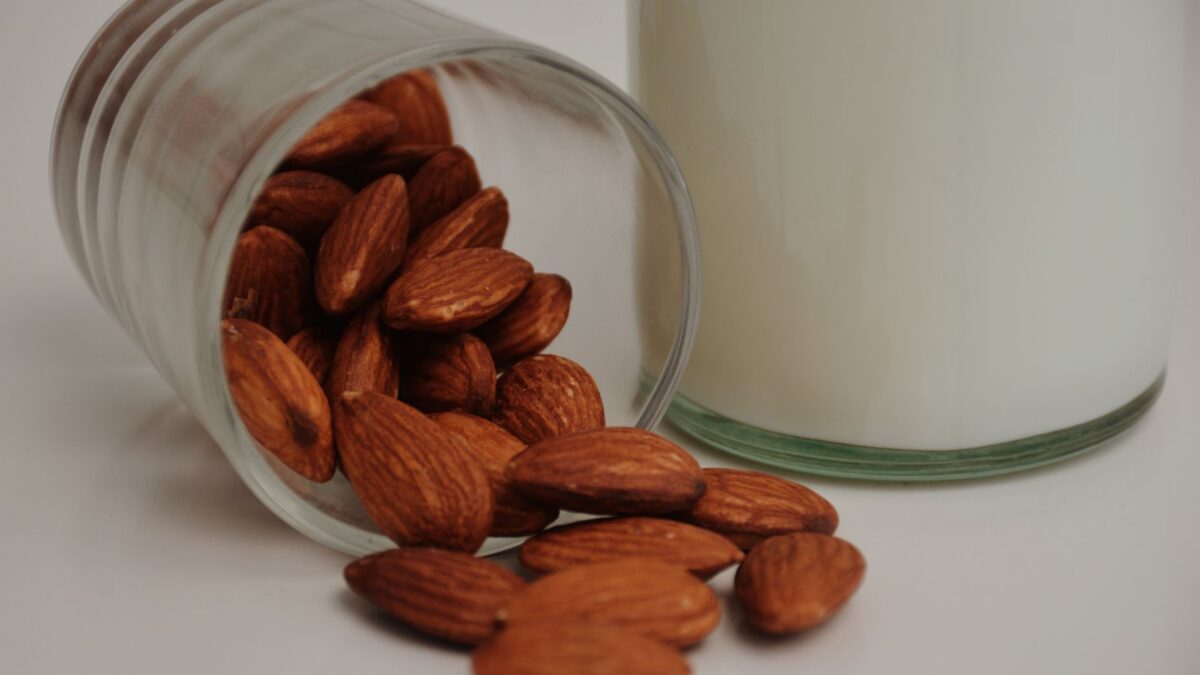
The researchers analyzed plant-based meat alternatives and plant-based beverages from supermarket shelves. The list included vegan burgers, vegetarian chicken pieces, vegan sausages, and oat, almond and soy milk. They looked for 19 mycotoxins and found at least one in every product. Many products contained several.
Mycotoxins are chemicals made by certain fungi, including molds. They reach food when crops are contaminated while growing, during harvest or in storage. Grains, legumes and seeds, the main ingredients of these products, are especially prone to it. A detected toxin does not mean a product contains living mold, and it does not by itself mean the food is unsafe.
What the measurements do and do not show
The health risk depends on the type of toxin, its concentration and how much a person eats over time. At high enough exposure, certain mycotoxins can damage the liver and kidneys, interfere with the immune system and raise cancer risk. The study did not show that the tested products cause any of these conditions.
The authors say repeated exposure deserves a closer look. Earlier studies suggested that small amounts eaten regularly may add up, so a single product gives an incomplete picture. At the levels reported, eating one of these products now and then is unlikely to cause problems. Someone who eats many plant-based products might take in toxins from several sources at once.
Monitoring new foods
Andrea Patriarca, a senior lecturer in mycology at Cranfield University, said people should not be deterred from eating a varied diet. In his words, “Mycotoxins occur naturally in foods and cannot be completely avoided.”
He said the larger concern is that no established regulations currently monitor mycotoxins in new foods entering the market. Products made from several ingredients are harder to assess, because each ingredient can bring its own contaminants. The team says checking raw materials before they are combined could help manufacturers manage the risk.
Cranfield and Parma are now working together to estimate risks for the UK population under different eating habits. Patriarca said the aim is to advise policymakers and raise awareness among vulnerable consumers.
How sure is this?
The paper, titled “Mycotoxin contamination in plant-based beverages and meat alternatives: A survey of the UK market,” appeared in Food Control in 2026 (volume 183, DOI 10.1016/j.foodcont.2025.111910). The authors are Raquel Torrijos, Octavian Augustin Mihalache, Andrea Patriarca, Angel Medina and Chiara Dall’Asta.
It is a survey of 212 products on the UK market. It measured what the products contain, not what people actually eat, so it cannot say how much toxin any consumer takes in. The researchers say the data help estimate dietary exposure and refine food safety risk assessments. Which groups are most vulnerable is still being investigated.
The study was part of the EU-funded Horizon Europe FunShield4Med project.
Source: ScienceDaily
Site editor: Nikita Sheikin