Archaeologists Find 622 Bamboo and Wood Slips in Chinese Tombs
Archaeologists at the Laohudun cemetery in Hubei recovered 622 bamboo and wooden slips from three tombs, with texts on defense, medicine and ritual.
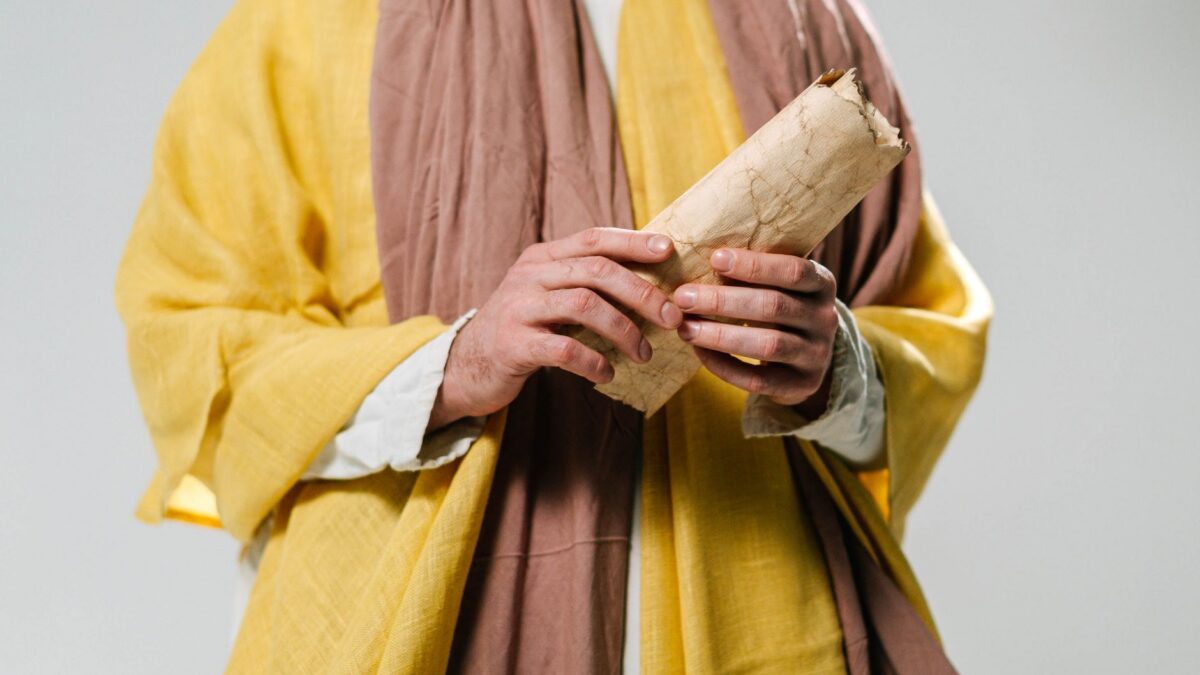
Excavators at the Laohudun cemetery in Yunmeng County, Hubei Province, have recovered 622 slips of bamboo and wood inscribed with texts, according to HeritageDaily, which drew on Chinese reporting from SOHU. All of them came from three tombs dating to the Qin and Han periods.
The slips cover military supply records, a calendar, religious practice, medicine and the moral education of women. The same cemetery also yielded more than 600 pieces of lacquered wood, some with shapes and decoration that archaeologists had not seen before.
What the slips record
Before paper was widely used in China, people wrote on narrow strips of bamboo and wood. The Laohudun strips are unusual for the range of subjects they carry.
Preliminary study found records on how defenses were organized under the Qin Dynasty. One document lists ten local defensive installations and notes the grain, animal fodder and copper held at two of them. Other entries give details on defensive ditches, numbers of soldiers, tools and weapons. Read together, the reports say, the texts show how small garrisons were supplied and kept running.
Other slips hold a calendar and instructions for choosing auspicious dates, along with material on rituals and prayers. The medical texts include advice on malaria, toothache and childbirth, and one group discusses the bathing of silkworms. Researchers also identified a complete text called Teaching Daughters, or Exhortations to Woman, which deals with the moral education of women.
Lacquer that survived underground
Lacquerware is a wooden object coated in layers of lacquer, a hard varnish. More than 600 such pieces came out of the cemetery, among them bowls, drinking cups, circular boxes and flasks, and some kept their decoration to a remarkable degree.
One spoon has a handle and bowl formed from a standing figure and a phoenix. Another vessel carries the image of a bull. A name was inscribed beneath one of the lacquered pots. The report says some shapes and decorative schemes are new to archaeologists, which gives researchers a way to study Qin and early Han craftsmanship that would otherwise be thinly documented.
The graves also held bronze weapons, ceramics, jade objects and fragments of silk textiles. Painted wooden objects survived too, including a pair of decorated door panels and a pendant with a bi, a circular disc of jade or stone linked to ritual and burial traditions in ancient China.
Why water kept the wood intact
Excavations began in April and have uncovered 113 Qin and Han tombs so far. Forty of them were waterlogged for centuries. Water shut out oxygen, and without oxygen the organisms that rot bamboo, wood and silk work far more slowly. That is why materials that normally vanish from the archaeological record are still here.
The cemetery was in use from the late Warring States period (475 to 221 BC) into the early Western Han Dynasty (202 BC to AD 9). The tombs therefore span the political shift from the Warring States through the Qin Dynasty to the Han.
How sure is this?
The findings are early. The reports describe a preliminary study, and the sources do not name a journal paper, a research institution or a full publication of the texts. The summary of the Qin defense records, the medical advice and the Teaching Daughters text comes from that first look, so details may change once the slips are fully read and published.
What is established in the reports is the count: 622 slips from three tombs, more than 600 lacquered pieces, and 113 tombs excavated since April. The reports describe the combination of administrative records, medical advice, religious texts and everyday objects as an unusually detailed glimpse of official administration and daily life in China more than 2,000 years ago.
Source: HeritageDaily
Site editor: Nikita Sheikin