Five New Horned Frog Species Found in India, One Eats Snails
Researchers found five new horned frog species in Arunachal Pradesh, including India's first snail-eating frog. See how they were identified and named.
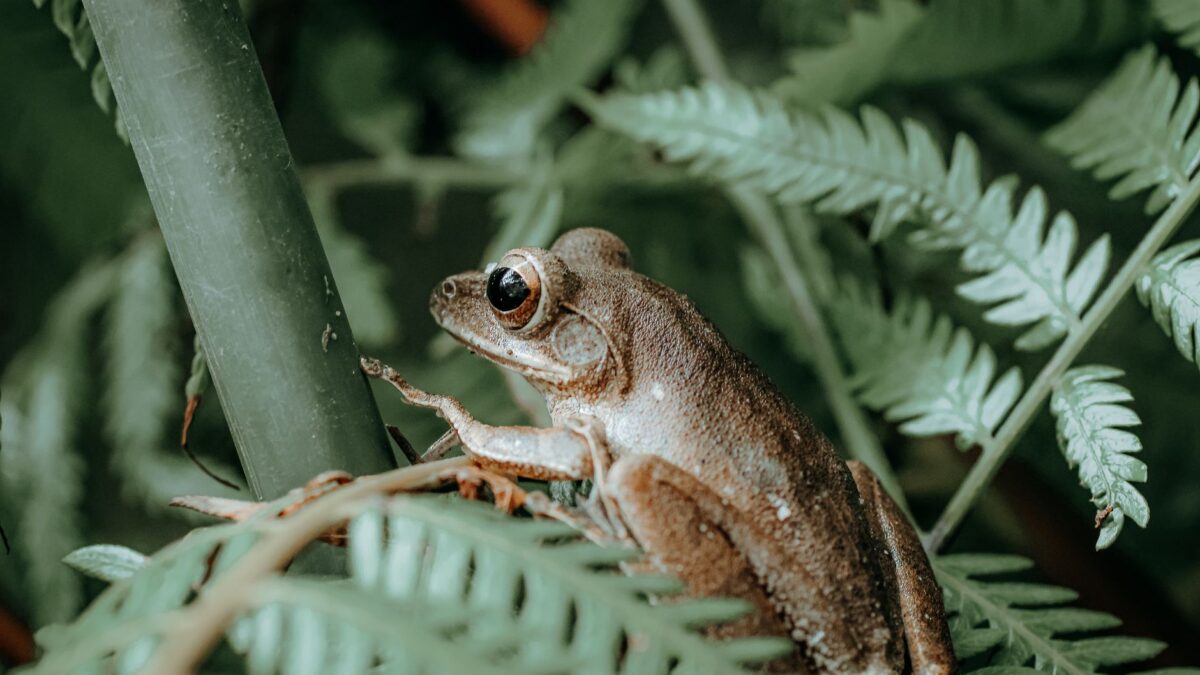
Scientists have described five new species of horned frog from the jungles of Arunachal Pradesh in northeast India, and one of them is the first snail-eating frog known from the country, Deccan Herald reported. The animals belong to the genus Jingophrys, the Diminutive Horned Frogs, named for horn-like skin projections above their eyes.
The new records raise the number of Diminutive Horned Frogs known from India seven-fold. Researchers from Delhi University and Harvard University made the discovery after five years of exploration in the Himalayan biodiversity hotspot.
How the frogs were found and named
Three of the species carry names from local communities, their language and the region. The Tanii Horned Frog (Jingophrys taniitatii) honors the Tanii tribe of the Ziro Valley, whose language is Apatani. Its species name joins the tribe’s name with the Apatani word for frogs and toads. The Siang Horned Frog (Jingophrys siangensis) is named after the Siang region.
A third, Jingophrys tanogogo, takes the Apatani word for snails. The name comes from an unexpected find: whole land snail shells inside the gut of the frog, revealed by 3D micro-CT imaging of preserved specimens. The team says this is the first report of snail-eating in the family Megophryidae, which is widespread across Asia.
What the snail shells show
SD Biju, a senior professor at Delhi University and a member of the team, told Deccan Herald that the frogs swallow complete shells much larger than their own heads. How their bodies manage that remains an open question, he said.
The research was led by Sonali Garg, who worked on it as a postdoctoral fellow at Harvard’s Museum of Comparative Zoology. She said the study shows the value of field research paired with advanced laboratory tools in poorly studied parts of tropical Asia.
How sure is this?
The work appeared in the latest issue of Royal Society Open Science. DNA-based analyses point to rapid and exclusive diversification of horned frogs in the Eastern Himalayas. The timing of that diversification matches the active rise of the young Himalayan ranges and the formation of the South Asian monsoon system, according to the report, though that link is drawn over a span of millions of years.
Biju described some of the new species as extremely secretive. They live in remote forests and appear only during a short breeding season, which is part of why the region still holds undescribed frogs. The researchers say northeast India, long seen as a gateway for animals moving between the Indian subcontinent and South Asia, also hosts its own distinct and hidden amphibian diversity that needs more research and conservation.
For background on how other amphibians cope with extreme conditions, see how wood frogs survive freezing solid.
Source: Deccan Herald
Site editor: Nikita Sheikin