Skeleton Confirms Lost Norse Church Near Erik the Red’s Greenland Farm
A Christian burial at Qinngua in southern Greenland confirms the first Norse church found there in more than 60 years, close to Erik the Red's estate.
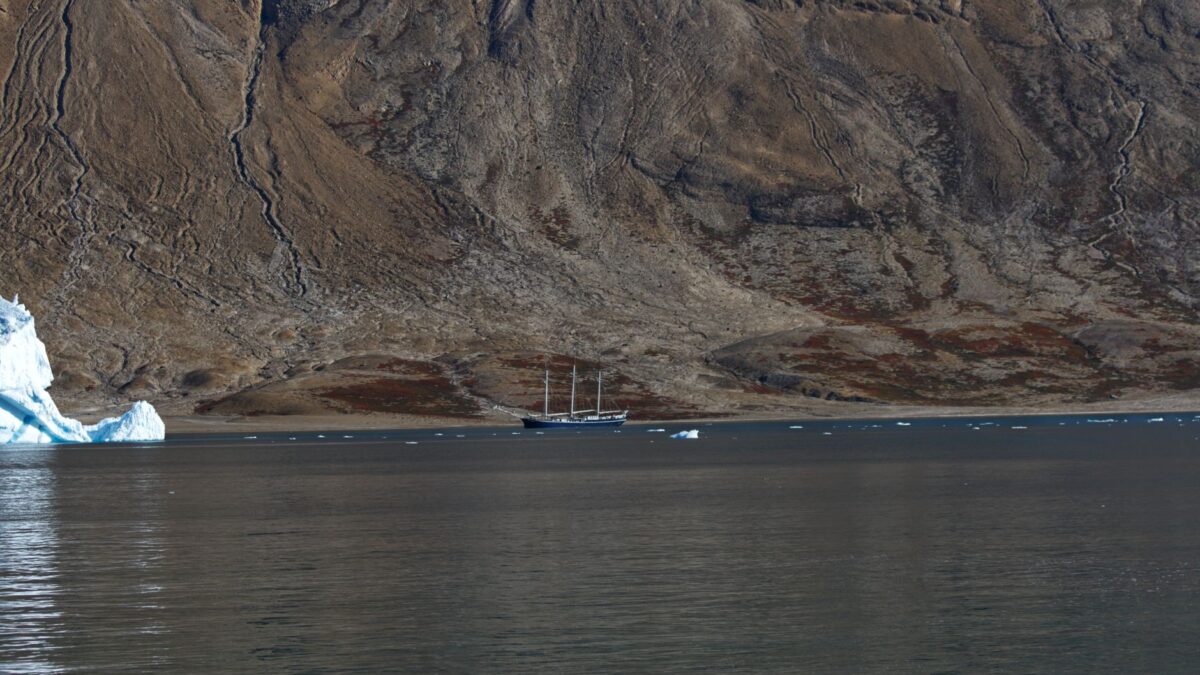
A single skeleton, buried with its head pointing east, has confirmed that a stone ruin at Qinngua in southern Greenland was a Norse church. According to the National Museum of Denmark, it is the first Norse church discovered in Greenland in more than 60 years.
The site lies near Narsarsuaq, close to Brattahlíð, the estate of Erik the Red, who is traditionally credited with founding the Norse colony in Greenland in the late 10th century. The find adds a sixth known church to the small area around his farm.
How a burial settled the question
Researchers had long suspected that the ruins at Qinngua were a church inside a cemetery. The remains sit within a rectangular stone enclosure that holds the walls of a sizable building. Earlier digs, however, turned up no graves, so the case stayed open.
This season the team uncovered a skeleton laid with the head toward the east, the orientation used in Christian burials. Christian Edelfelt Koch Madsen, a senior researcher at the National Museum of Denmark who coordinates the project, called it “the smoking gun” and said there is now no doubt the building was a church.
The excavation brought together the National Museum of Denmark, Greenland National Museum and Archives, the University Museum of Bergen and UNESCO Kujataa.
A church from the Middle Ages, probably
Several Viking Age churches found earlier in Greenland seem to have been used only briefly. The Qinngua building looks different. It is comparatively large and contains many hewn stones, features that researchers say usually point to construction between AD 1100 and 1300.
The burial itself may offer another clue. The person was laid with the arms along the sides of the body, which archaeologists suggest could mean an early medieval date. Both dating hints are tentative. Analysis of the burial and other samples is still underway, and the team does not yet know when the church was built or how long people used it.
The remains of two or three farms have been identified nearby, so the church may have served a small cluster of Norse households.
A church named in medieval texts?
Medieval writings about Norse Greenland mention several churches that have never been located. One is Kirkja undir Sólarfjöllum, the “Church under the Sunny Mountains.” Researchers think that description could match Qinngua, where mountains near the ice sheet often get sunny weather. The match has not been confirmed.
Koch Madsen said that because the site fits the written descriptions so closely, it would make sense to search for other churches named in the texts but still undiscovered. If the identification holds up, those old accounts could help archaeologists find more lost churches in southern Greenland.
Why it matters for understanding Norse Greenland
Six churches are now known in the fairly small area around Brattahlíð, though researchers believe only three stayed in use into the Middle Ages. That is more than local worship would seem to require. The team suggests that powerful families built churches to display wealth and rank.
Koch Madsen described what looks like a race to build churches in the area, adding that the race probably had losers who abandoned their buildings, possibly including this one. He said more research is needed.
Medieval Icelandic tradition says Erik was born in Norway, moved to Iceland, and was outlawed for three years after a series of disputes and killings. During that exile he explored Greenland’s southwest coast, then returned to recruit settlers. Erik established his farm at Brattahlíð, in present-day Qassiarsuk. His son Leif Erikson is traditionally credited with reaching North America around AD 1000. The sagas portray Erik as keeping the old Norse religion, while his wife Thjodhild converted and had a church built near Brattahlíð. Those sagas were written generations later and are treated with caution, but archaeology shows Christianity became firmly rooted in Norse Greenland.
Norse communities lived in Greenland from about the end of the 10th century into the 15th century, farming the more sheltered fjords of the south and west. Then the settlements disappeared. Researchers have proposed a worsening climate, economic shifts, weaker ties with Europe and the strain of farming in a harsh environment, and the exact mix is still debated. The Qinngua church does not answer that question.
What comes next
The team hopes to pin down when the church was built, how long it stood in use, and how it related to the neighboring farms and the other churches around Brattahlíð.
Source: HeritageDaily