What Is Norovirus? Why It Spreads So Easily and How to Stop It
Norovirus is a highly contagious stomach virus that spreads through tiny amounts of vomit or stool. How it travels, how long it lasts and how to clean up.
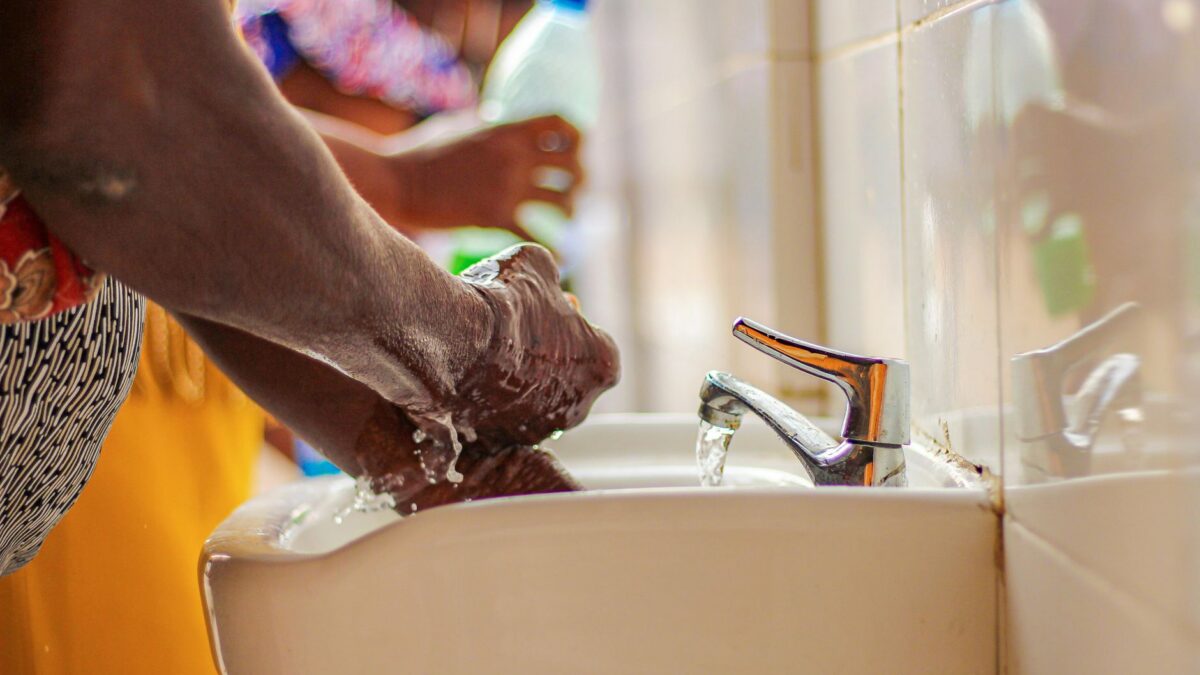
Norovirus is a highly contagious virus that causes sudden vomiting and diarrhea, and it is the most common cause of acute gastroenteritis (often called stomach flu, though it has nothing to do with influenza) in the United States. It spreads so easily because a very small number of virus particles can make a person sick, an infected person sheds huge numbers of them, and the virus survives for days to weeks on surfaces and resists many common disinfectants and alcohol hand sanitizers.
Most healthy people recover in one to three days. The danger is dehydration, especially for young children, older adults and people with weakened immune systems.
What does norovirus do in the body?
Norovirus infects the lining of the small intestine and inflames the stomach and intestines. Symptoms usually start 12 to 48 hours after exposure and come on fast.
- Vomiting, often forceful and sudden
- Watery diarrhea
- Nausea and stomach cramps
- Sometimes a low fever, headache and body aches
The illness usually passes within one to three days. People can still shed the virus in their stool for two weeks or more after they feel better, which is one reason outbreaks drag on.
Why does norovirus spread so easily?
Several traits of the virus work together.
- The infectious dose is tiny. A speck of contaminated stool or vomit too small to see can contain enough virus to infect someone.
- Sick people release enormous amounts of virus. Vomiting can send droplets into the air that land on surfaces several feet away, or get swallowed by people nearby.
- The virus is tough. It has no fatty outer envelope, so it holds up well on countertops, doorknobs and utensils, and it survives freezing and fairly high temperatures.
- Alcohol does not reliably kill it. Hand sanitizers with alcohol work well against many germs, but they are much less effective against norovirus than washing with soap and water.
- Immunity is short-lived. There are many strains, and protection after an infection fades, so the same person can catch it again, even in the same season.
How do people catch norovirus?
Norovirus travels by what doctors call the fecal-oral route: virus from an infected person’s stool or vomit ends up in someone else’s mouth. That happens in several ways.
- Direct contact with a sick person, such as caring for them or sharing utensils
- Touching a contaminated surface and then touching your mouth
- Eating food prepared by someone who is infected, or food rinsed in contaminated water
- Eating raw or undercooked shellfish, especially oysters, harvested from contaminated water
- Drinking contaminated water
Water plays a part in many disease outbreaks, a theme covered in a review of how shrinking water supplies can spread disease.
Why are outbreaks common on cruise ships, in schools and in nursing homes?
Norovirus thrives wherever many people share close quarters, food and bathrooms. Cruise ships, schools, day care centers, nursing homes, hospitals and restaurants all fit that description. One sick person who vomits in a shared space can expose dozens of others, and those people then carry the virus into new rooms and buffets before they feel ill.
In the US, outbreaks are most common from about November to April. Holiday meals and gatherings bring people together around shared dishes, so food handling matters most at that time of year. Family feasts raise other questions too, like whether turkey really makes you sleepy.
How can you lower the risk of catching or spreading it?
Public health guidance from the Centers for Disease Control and Prevention centers on a few habits.
- Wash hands with soap and water for at least 20 seconds, especially after using the toilet, changing diapers and before eating or preparing food. Use hand sanitizer only as an extra step, not as a replacement.
- Stay out of the kitchen while sick and for at least two days (48 hours) after symptoms stop. Food workers are asked to follow this rule as well.
- Rinse fruits and vegetables, and cook oysters and other shellfish thoroughly.
- Clean up vomit and diarrhea right away. Wear disposable gloves, wipe up the mess with paper towels and throw them away in a sealed plastic bag.
- Disinfect contaminated hard surfaces with a chlorine bleach solution. The CDC suggests 5 to 25 tablespoons of household bleach per gallon (3.8 liters) of water, or a cleaner registered by the EPA as effective against norovirus. Never mix bleach with ammonia, vinegar or other cleaners.
- Wash soiled clothes and bedding right away on the longest cycle with detergent and hot water, then machine dry them. Handle them carefully to avoid shaking virus into the air.
When should someone see a doctor?
There is no specific medicine that kills norovirus, and antibiotics do not work against viruses. Treatment means replacing lost fluids with water, broth or oral rehydration drinks. Call a doctor if someone shows signs of dehydration, such as very little urine, a dry mouth and throat, dizziness when standing up, or, in young children, crying with few or no tears and unusual sleepiness or fussiness. Infants, older adults, pregnant people and anyone with a weakened immune system should get medical advice sooner. Bloody diarrhea, a high fever or symptoms that last longer than a few days also need a doctor’s attention.
Quick answers
Is there a vaccine for norovirus?
No norovirus vaccine is approved for use yet. Several candidates are in development, but none is available to the public.
How long is someone with norovirus contagious?
People are most contagious while they have symptoms and in the first few days after they recover. The virus can stay in stool for two weeks or longer, so careful hand washing should continue after the illness ends.
Can you get norovirus more than once?
Yes. Many different strains circulate, and immunity after an infection does not last long, so repeat infections are common.
Does cooking kill norovirus?
Thorough cooking kills norovirus, but light steaming or quick heating may not. Food that is handled by a sick person after it is cooked, such as salads or sandwiches, can still spread it.
Site editor: Nikita Sheikin