NASA Ends NICER X-Ray Telescope Science After Motor Failure on ISS
NASA's NICER X-ray telescope on the space station has ended science operations after a motor failed. What it found about neutron stars and what happens next.
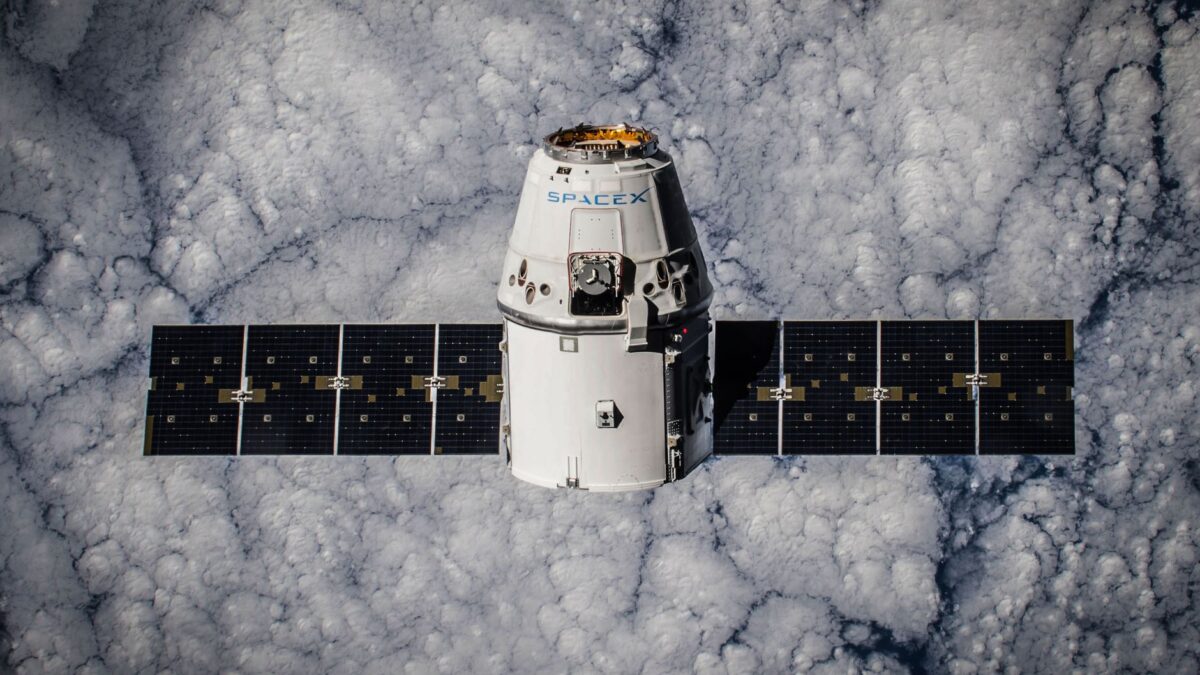
NASA’s NICER X-ray telescope on the International Space Station has ended science operations, the agency said on Nov. 17, after engineers concluded that an internal motor has most likely failed and left the instrument unable to swivel and track targets. NICER was launched in 2017 for an 18-month prime mission and kept working for six and a half years past it.
The mission and station teams now plan to finalize NICER’s 8-year archive of X-ray observations, then decommission the telescope and detach it from its spot near the station’s starboard solar array.
How the motor problem stopped NICER
NICER stands for Neutron star Interior Composition Explorer. To study a star or galaxy, it has to turn and follow that object as the station orbits Earth. According to NASA, performance of one of the motors that drives this tracking began to degrade, and the team paused observations on June 17, 2025, once the problem started affecting science data.
By August 2025, NASA said the motor could not move the telescope side to side beyond its current position. Robotic cameras on the outside of the station photographed NICER, which helped engineers rule out an outside cause. After a long investigation, the team thinks the fault is inside the motor. NASA said the stuck position does not pose a safety issue for the station or its crew.
A telescope already repaired once
The motor failure came after NICER had recovered from an earlier problem. In May 2023 sunlight began leaking into the instrument through damaged thermal shields. These thin filters on the telescope’s 56 X-ray Concentrators block sunlight while letting X-rays through. The leak flooded the detectors during the station’s daytime, and with operating changes the team could recover only about 20% of daytime observations. Night observations were unaffected.
During a spacewalk on Jan. 16, 2025, NASA astronaut Nick Hague installed nine patches over the largest damaged areas. Close-up photos from that spacewalk showed more small holes and cracks. The team then reprogrammed the measurement and power units that read the detectors so they would ignore resets caused by sunlight, finishing the switch across all seven units on March 12, 2025. Together, the patches and the new setting let NICER collect data during more than 70% of station daytime, NASA said.
What NICER found
NASA credits NICER with groundbreaking measurements of neutron stars, which hold the densest matter in the universe that scientists can measure. The agency also says the mission changed how astronomers understand black holes and active galaxies. By June 2023, more than 300 scientific papers had used NICER data.
The telescope also showed that spacecraft could navigate by pulsars observed in X-rays, a method NASA says could be used for travel to Mars and beyond.
What it means for science on the ground
With no new observations coming, researchers will work from the finished archive. NASA says the 8-year record of X-ray data is being finalized for the science community. Some of NICER’s hardware work has also moved into other fields: technology built to test the telescope before launch is going into prototype portable CT scanners and materials analysis systems, according to the agency.
What happens next
NASA has not given a date for detaching NICER from the station. The teams are focused on completing the data archive and planning the decommissioning, according to the agency’s Nov. 17 update.
Source: NASA