Windermere’s Arctic Charr, Present 10,000 Years, Face Extinction
New Freshwater Biological Association research finds Arctic charr spawning habitat in Windermere has declined markedly since 2017. Here is what was found.
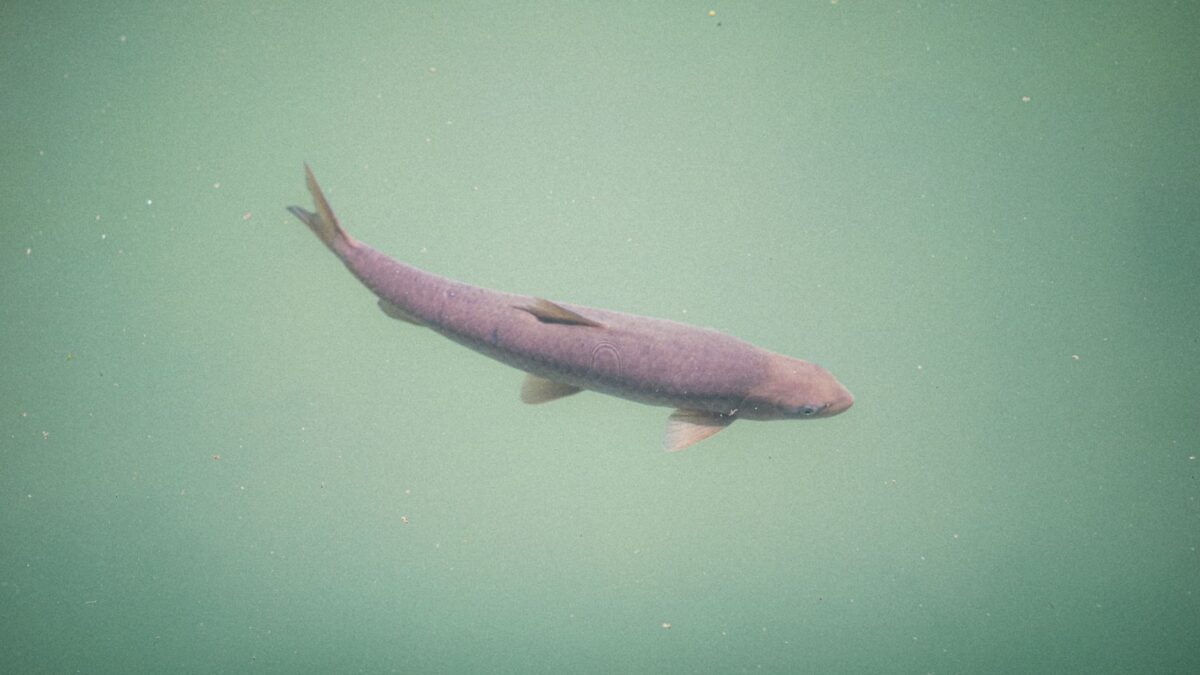
Arctic charr, a cold-water fish that has lived in Windermere, England’s largest lake, since the end of the last Ice Age, could be lost from the lake completely, according to new research from the Freshwater Biological Association (FBA). The charity reported that the quality of the fish’s spawning habitat has “declined markedly” since 2017, as silt and algae increased and introduced species became more common.
The BBC reported the findings alongside a campaign by comedian Paul Whitehouse, who urged the prime minister to act. The research itself is the scientific news here: the fish has been in the Lake District lake for more than 10,000 years.
What the research found
The FBA’s work covers the fish’s spawning grounds, the stretches of lake bed where eggs are laid. The BBC reported that silt and algae levels there have risen since 2017. Introduced species such as ruffe, roach and bream, which compete with the charr for food, were described as “on the rise”.
The charr in Windermere is genetically distinct from Arctic charr in the region’s other lakes. It lives in four separate populations that spawn at different times of year and in different places, and they do not interbreed. That structure means each population depends on its own spawning habitat.
Dr Louise Lavictoire, the FBA’s head of science, said the research had “shown very clearly that we are at risk of losing Arctic charr from Windermere completely”. Campaigners also point to rising temperatures from global warming as a pressure on the fish. The BBC article does not give the temperature data behind that claim.
The pollution link
Whitehouse, who fronts the BBC series Mortimer & Whitehouse: Gone Fishing, said the spawning grounds are covered in “algal sludge” that he called a direct result of sewage pollution. That is his statement and the campaign’s position. The BBC’s account of the FBA findings reports increased silt and algae but does not itself state the cause.
A coalition called Only Rainwater In Windermere has drawn up a £3.7bn scheme with a large tunnel to carry sewage to a new water treatment works. Its members are United Utilities, the Environment Agency, the Lake District National Park Authority (LDNPA), the Love Windermere partnership, the Save Windermere campaign group and Westmorland and Furness Council. Campaigner Matt Staniek wants the government to speed it up.
United Utilities said £200m is being invested over the next four years to cut storm overflow spills and improve wastewater treatment. The Department for Environment, Food and Rural Affairs (Defra) said it has put 33 additional Environment Agency specialists in the region and that a Water Bill will bring tougher regulation.
How sure is this?
The research was funded by groups including Natural England, the Environment Agency and the LDNPA. The sources do not say whether it has been peer-reviewed, how many sites were surveyed, or how many fish remain in each population. Those details would show how close each population is to disappearing.
The strongest claim, that the species faces extinction in the lake without “urgent action”, comes from the FBA and campaigners. The sources give no population counts or timeline. Tim Duckmanton of the LDNPA said the collected data give a better understanding of the threats.
Studies of how fish respond to stress, such as experiments on trout, are a separate line of research and do not bear on the charr findings.
Source: BBC News
Site editor: Nikita Sheikin