What Happened to the Classic Maya? Drought, War and a Long Decline
The Classic Maya did not vanish. Between about A.D. 800 and 900, southern cities lost their kings and emptied out, and the causes were many. Here is the evidence.
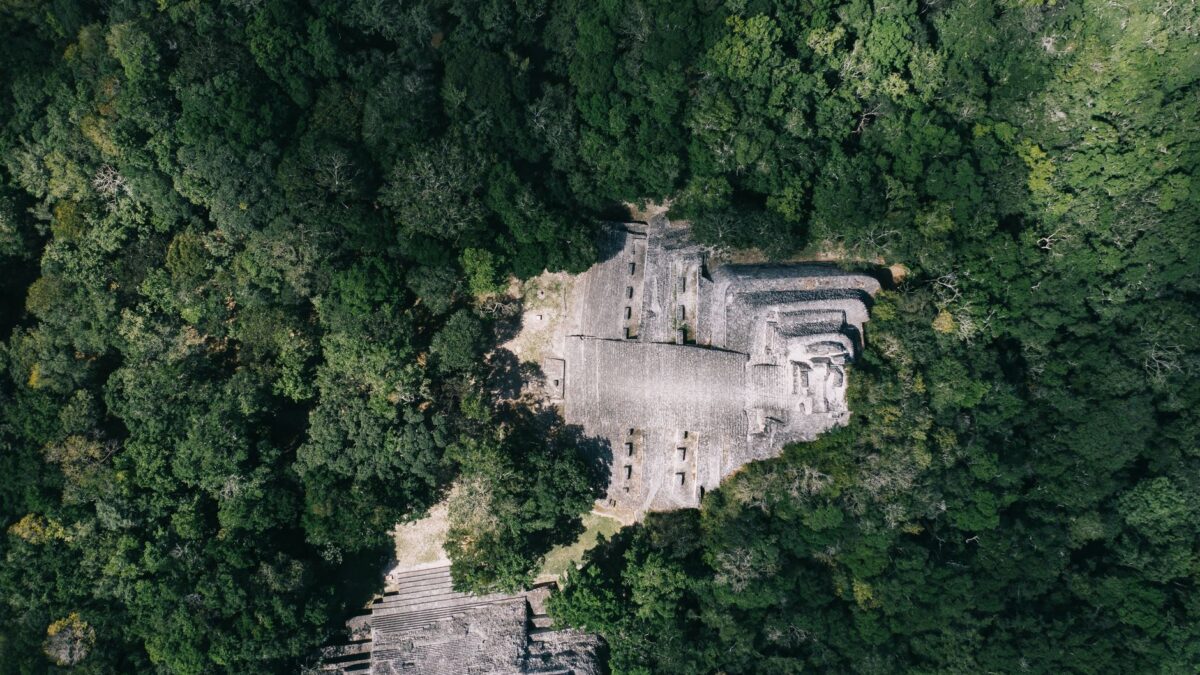
The Classic Maya did not disappear. Between roughly A.D. 800 and 900, many of the great cities of the southern Maya lowlands, such as Tikal, Calakmul and Copán, lost their ruling kings, stopped building monuments and were gradually abandoned. Archaeologists point to a combination of prolonged drought, endless warfare, political breakdown and strain on farmland and forests. Millions of Maya people live in southern Mexico, Guatemala, Belize and Honduras today, and their languages are still spoken.
What was the Classic Maya period?
The Classic period runs from about A.D. 250 to 900. During it, the Maya lowlands were home to dozens of independent city-states, each ruled by a hereditary king who claimed a role as a mediator between people and the gods. The cities built stepped pyramids, palaces and ball courts, carved stone monuments with dates and royal histories, and kept a calendar and a writing system that combined signs for words and for syllables.
No single empire united them. Large cities like Tikal and Calakmul built alliances and fought each other, and smaller towns often sided with one or the other. That patchwork matters for the collapse story, because the decline came at different times in different places.
What do archaeologists mean by “the collapse”?
The word describes the end of the Classic political system in the southern lowlands, mostly in the A.D. 800s and early 900s. Rulers stopped erecting dated monuments, the last known inscriptions appear, palaces fell out of use, and populations in many cities shrank over generations, sometimes drastically. It was a long process of decline in most places, not a single event.
Many people stayed in the region and moved to new places. Some left the southern interior for areas with more reliable water, such as the coasts and the northern Yucatán Peninsula. The “lost civilization” idea is a myth: the Spanish who arrived in the 1500s met Maya communities across the region.
Did drought cause the collapse?
Drought is one of the best-supported factors. Scientists have studied chemical signals in lake sediments and in cave formations called stalagmites, which record changes in rainfall over centuries. Several of these records point to repeated dry spells in the region around the time the southern cities declined.
The lowlands have a dry season, and many cities relied on stored rainwater in reservoirs because they had few rivers. A series of failed rainy seasons would have put pressure on harvests of maize, the staple crop, and on the water supplies that fed a large population. Drought alone is not a full explanation, though. Maya communities had survived dry spells before, and some cities declined at times that do not line up neatly with the climate records.
What role did war and politics play?
Warfare increased in the late Classic period. Inscriptions record raids, captured nobles and rivalries between cities. Archaeologists have found fortifications, abandoned palaces and signs of burning at some sites.
Political problems added to the strain. When kings could no longer bring rain, win battles or feed their people, the idea of divine kingship lost credibility. Elites competed for power, and the royal courts that organized large building projects and trade networks broke down. Once a city’s court collapsed, the trade, craft production and ceremonies it supported weakened too.
How did land use and the environment matter?
A large population needed farmland, firewood and lime plaster for buildings, which was made by burning limestone. Researchers have found evidence of forest clearing around some cities. Cleared land can lose soil to erosion and may dry out more quickly, which would make a drought harder to survive. Environmental damage did not look the same everywhere. For one example of how Maya activities left traces in the environment, see this report on Maya red paint and mercury in Yucatán lake mud.
Most scholars now prefer explanations that combine causes: climate stress, conflict, political instability and pressure on resources reinforcing each other, with the mix varying from one city to the next.
What happened after the collapse?
Maya civilization continued. In the Postclassic period, cities such as Chichén Itzá and, later, Mayapán in the north grew powerful, and trade routes along the coast flourished. Chichén Itzá’s own decline came later than the southern collapse. Maya kingdoms still existed when the Spanish arrived, and the last independent Maya kingdom, Nojpetén in the Petén region of Guatemala, fell to the Spanish in 1697.
Reading the inscriptions that survive is still reshaping the picture. Epigraphers, the scholars who decipher ancient writing, keep identifying new rulers and places. One example is the work on the ancient name of a Maya site, covered in this article on Minanbé and the name Sakil.
Collapses of this kind are a recurring subject in archaeology. For another ancient disaster that can be read from physical evidence, see what happened at Pompeii in A.D. 79, though that was a single event rather than a slow decline.
Common questions
Are there still Maya people today?
Yes. Millions of Maya live in Mexico, Guatemala, Belize and Honduras, and dozens of Maya languages are spoken. Their ancestors built the Classic cities, and many communities continue farming traditions that go back centuries.
Was there one single cause of the collapse?
No cause by itself explains everything. Drought, war, political upheaval and pressure on land and forests all appear in the evidence. Which mattered most still differs from city to city, and researchers continue to debate the balance.
Did every Maya city collapse at the same time?
No. The southern lowland cities declined mostly between A.D. 800 and 900, while some northern and coastal cities carried on or grew afterward. The timing depended on local conditions and politics.
Site editor: Nikita Sheikin