Brine Pools Found 1,770 Meters Down in the Gulf of Aqaba
Researchers found the first brine pools in the Gulf of Aqaba, 1,770 meters deep in the Red Sea, salty, oxygen-free lakes that hold microbes and a record of past quakes.
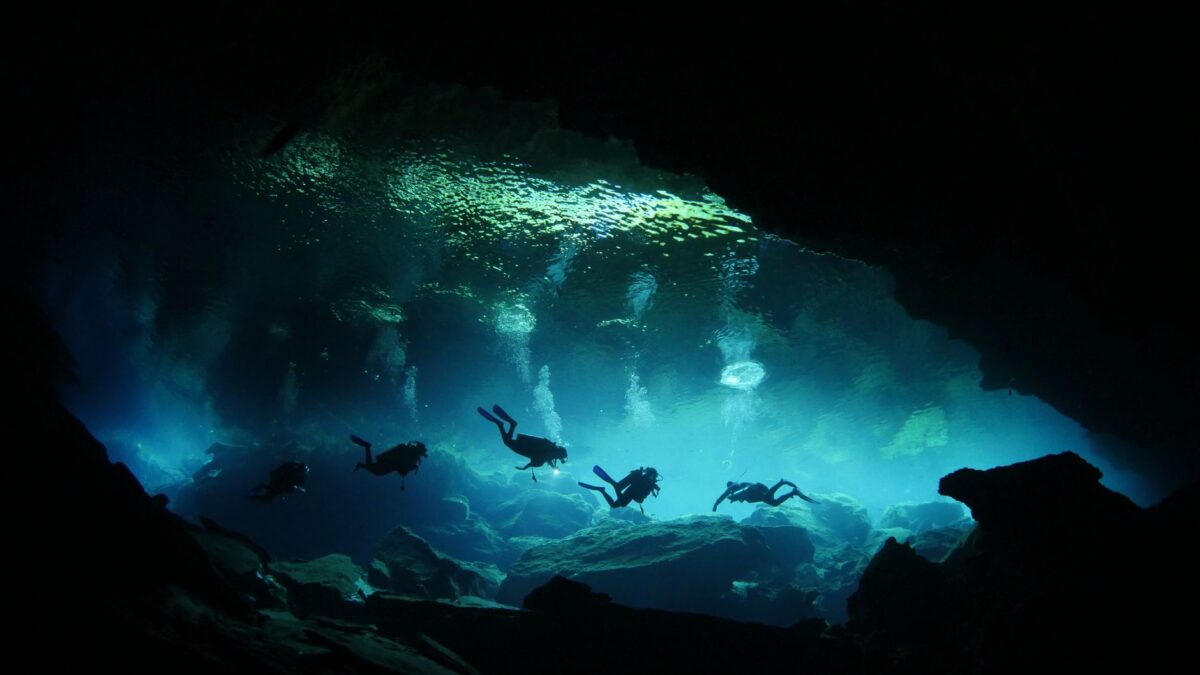
A team led by the University of Miami has found the first documented brine pools in the Gulf of Aqaba, a northern arm of the Red Sea. The pools lie at a depth of more than one mile (1,770 meters). Brine pools are underwater lakes of extremely salty water that contain no oxygen, and these ones hold a community of microbes, according to the university’s Rosenstiel School of Marine, Atmospheric, and Earth Science.
The results appeared in the journal Communications Earth & Environment on June 27, 2022. ScienceDaily republished the university’s summary on Nov. 25, 2026.
How the pools were found
Sam Purkis, professor and chair of the Department of Marine Geosciences at the Rosenstiel School, led the work with colleagues and the ocean research group OceanX. The team used a remotely operated underwater vehicle, or ROV, a tethered robot controlled from the surface. It was deployed from the research vessel OceanXplorer.
The find came very late. Purkis said the discovery happened in the last five minutes of the ten-hour ROV dive the team could dedicate to this project. “We were very lucky,” he said.
The study is titled “Discovery of the deep-sea NEOM Brine Pools in the Gulf of Aqaba, Red Sea” (DOI: 10.1038/s43247-022-00482-x). Authors came from the University of Miami, King Abdullah University of Science and Technology, the University of Bari Aldo Moro in Italy, OceanX, MARUM in Germany and NEOM. NEOM, a company developing the Saudi Arabian coastline, paid for the four-week expedition aboard the OceanXplorer.
Life in a lake with no oxygen
The pools hold exceptionally high concentrations of salt and have unusual chemistry, and they are completely without oxygen. Even so, the researchers report abundant microbial life in them. Earlier research on microbes in other Red Sea brine pools identified biologically active molecules with potential anticancer properties, according to the university.
Purkis said that mapping the limits of life on Earth is a step toward judging whether other planets could host living things. He described the microbial community as one that can help trace those limits and be applied to the search for life elsewhere in the solar system and beyond.
A record of tsunamis and earthquakes
The pools sit relatively close to the coast. Their salty, oxygen-free water helps preserve evidence of tsunamis, flash floods and earthquakes that struck the Gulf of Aqaba thousands of years ago. The seabed in this part of the gulf is cut by numerous faults and fractures from regional tectonic activity.
In 2022, Purkis and colleagues also reported evidence of an underwater landslide about 500 years old that likely produced a substantial tsunami. The university says understanding this history could matter for coastal development in Egypt and Saudi Arabia.
How sure is this?
The work was published in a peer-reviewed journal, and the pools themselves were located and observed directly by the ROV. The summary does not give the size of the pools, their salt levels or which microbes live in them, so those details are not reported here. The claims about ancient ocean formation and extraterrestrial life are framed by the team as clues and guidance, not findings. The anticancer molecules were reported in microbes from other Red Sea pools, not in these ones. The expedition was funded by NEOM, which also has an author on the study.
Source: ScienceDaily
Site editor: Nikita Sheikin